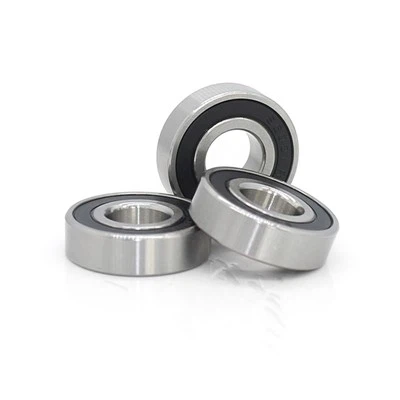
What is the dynamic load rating of stainless steel bearings?
As a dedicated supplier of stainless steel bearings, I often encounter customers who are curious about the dynamic load rating of these essential components. In this blog post, I'll delve into the concept of dynamic load rating, explain its significance for stainless steel bearings, and share some insights on how it impacts the performance and selection of bearings in various applications.
Understanding Dynamic Load Rating
The dynamic load rating of a bearing is a crucial parameter that indicates the maximum load a bearing can withstand while operating at a given speed for a specified number of revolutions. It is typically expressed in Newtons (N) or pounds-force (lbf). In simple terms, the dynamic load rating represents the load capacity of a bearing under dynamic conditions, where the load is constantly changing due to factors such as rotation, vibration, and shock.
The dynamic load rating is determined through rigorous testing and calculation methods. Manufacturers subject bearings to a series of tests under controlled conditions to simulate real-world operating scenarios. These tests involve applying a specific load to the bearing and measuring its performance over a set number of revolutions. Based on the results of these tests, engineers can calculate the dynamic load rating using established formulas and standards.
Significance of Dynamic Load Rating for Stainless Steel Bearings
For stainless steel bearings, the dynamic load rating is particularly important due to their unique properties and applications. Stainless steel bearings are known for their corrosion resistance, high strength, and durability, making them ideal for use in harsh environments where traditional bearings may fail. However, these benefits come with certain limitations, and the dynamic load rating plays a crucial role in ensuring the reliable performance of stainless steel bearings.
One of the key factors that affect the dynamic load rating of stainless steel bearings is the material properties of the stainless steel itself. Different grades of stainless steel have varying levels of hardness, strength, and corrosion resistance, which can impact the bearing's ability to withstand dynamic loads. For example, bearings made from high-grade stainless steel alloys may have a higher dynamic load rating compared to those made from lower-grade materials.
Another important consideration is the design and construction of the bearing. The geometry, internal clearance, and surface finish of the bearing can all influence its dynamic load capacity. Bearings with a larger contact area, proper internal clearance, and smooth surface finish are generally able to handle higher dynamic loads more effectively.


Factors Affecting Dynamic Load Rating
Several factors can affect the dynamic load rating of stainless steel bearings, including:
- Load type: The type of load applied to the bearing, such as radial, axial, or combined loads, can have a significant impact on its dynamic load capacity. Bearings are designed to handle specific types of loads, and exceeding the recommended load limits can lead to premature failure.
- Speed: The rotational speed of the bearing also affects its dynamic load rating. Higher speeds generate more heat and friction, which can reduce the bearing's load capacity. It is important to select a bearing with a dynamic load rating that is appropriate for the operating speed of the application.
- Lubrication: Proper lubrication is essential for the reliable performance of stainless steel bearings. Lubricants help to reduce friction, dissipate heat, and prevent wear and corrosion. Inadequate lubrication can increase the dynamic load on the bearing and reduce its service life.
- Operating environment: The operating environment, including temperature, humidity, and the presence of contaminants, can also affect the dynamic load rating of stainless steel bearings. Harsh environments can cause corrosion, wear, and other forms of damage to the bearing, reducing its load capacity.
Selecting the Right Stainless Steel Bearing Based on Dynamic Load Rating
When selecting a stainless steel bearing for a specific application, it is important to consider the dynamic load rating in relation to the expected load and operating conditions. Here are some steps to help you choose the right bearing:
- Determine the load requirements: Calculate the radial, axial, and combined loads that the bearing will be subjected to in the application. Consider factors such as the weight of the equipment, the forces generated by the operation, and any additional loads due to vibration or shock.
- Consider the operating speed: Determine the rotational speed of the bearing and select a bearing with a dynamic load rating that is suitable for the speed. Higher speeds may require bearings with a higher load capacity.
- Evaluate the operating environment: Assess the operating environment, including temperature, humidity, and the presence of contaminants. Choose a bearing with appropriate corrosion resistance and lubrication properties to ensure reliable performance in the given environment.
- Consult the manufacturer: If you are unsure about the dynamic load rating requirements for your application, consult the bearing manufacturer or a qualified engineer. They can provide you with expert advice and help you select the right bearing for your needs.
Examples of Stainless Steel Bearings and Their Dynamic Load Ratings
As a stainless steel bearing supplier, we offer a wide range of bearings with different dynamic load ratings to meet the diverse needs of our customers. Here are some examples of our products and their dynamic load ratings:
- S6900ZZ Water Pump Bearings: These bearings are designed for use in water pump applications and have a dynamic load rating of [X] N. They are made from high-quality stainless steel and feature a sealed design to prevent contamination and extend the service life.
- Customized S628ZZ Double Row Steel Ball U Shaped Roller Bearing: This customized bearing is suitable for applications where high load capacity and precision are required. It has a dynamic load rating of [X] N and is available in various sizes and configurations.
- Slot Roller With Slot Bearing S626RS: These bearings are designed for use in slot roller applications and have a dynamic load rating of [X] N. They feature a slot design that allows for easy installation and adjustment.
- S605 Stainless Steel Deep Groove Ball Bearing: This deep groove ball bearing is made from stainless steel and has a dynamic load rating of [X] N. It is suitable for a wide range of applications, including industrial machinery, automotive, and aerospace.
- Non Standard Stainless Steel Bearing S6000ZZ: This non-standard bearing is designed to meet the specific requirements of our customers. It has a dynamic load rating of [X] N and can be customized in terms of size, material, and design.
Conclusion
The dynamic load rating is a critical parameter that determines the load capacity and performance of stainless steel bearings. By understanding the concept of dynamic load rating and considering the factors that affect it, you can select the right bearing for your application and ensure reliable and efficient operation. As a stainless steel bearing supplier, we are committed to providing high-quality products and expert advice to help you make the best choice for your needs. If you have any questions or need assistance with bearing selection, please feel free to contact us. We look forward to working with you and helping you find the perfect solution for your application.
References
- Harris, T. A., & Kotzalas, M. N. (2007). Rolling Bearing Analysis. Wiley.
- SKF. (2021). SKF Bearing Select. Retrieved from [SKF website]
- Timken. (2021). Bearing Selection Handbook. Retrieved from [Timken website]