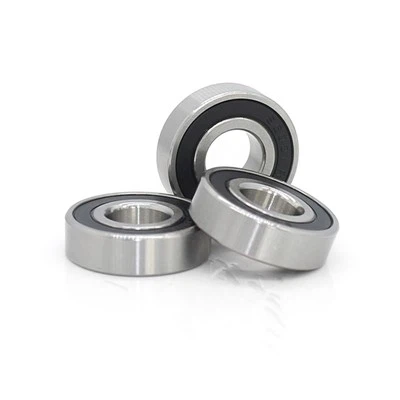
In the realm of motor fan technology, the radiator plays a pivotal role in ensuring optimal cooling performance. As a leading supplier of bearing motor fan radiators, I've witnessed firsthand how the size of the radiator can significantly impact the cooling efficiency of a motor fan. In this blog post, I'll delve into the intricate relationship between radiator size and cooling performance, exploring the key factors at play and offering insights into how you can make informed decisions when selecting a radiator for your motor fan.
The Basics of Radiator Cooling
Before we dive into the influence of radiator size, let's first understand the fundamental principles of radiator cooling. A radiator is a heat exchanger that transfers heat from the motor fan to the surrounding environment. It consists of a series of fins and tubes that increase the surface area available for heat transfer. As the hot air from the motor fan passes through the radiator, the heat is absorbed by the fins and tubes and dissipated into the air.
The efficiency of a radiator is determined by several factors, including the material of the radiator, the design of the fins and tubes, and the airflow through the radiator. However, one of the most critical factors is the size of the radiator. A larger radiator generally has a greater surface area, which means it can transfer more heat more efficiently.
How Radiator Size Affects Cooling Performance
The size of the radiator has a direct impact on the cooling performance of a motor fan. Here are some of the key ways in which radiator size influences cooling:
Heat Transfer Capacity
The primary function of a radiator is to transfer heat from the motor fan to the surrounding environment. A larger radiator has a greater surface area, which means it can transfer more heat per unit of time. This is because the increased surface area allows for more contact between the hot air from the motor fan and the radiator fins and tubes, facilitating more efficient heat transfer.
For example, if you have a motor fan that generates a high amount of heat, a larger radiator will be able to dissipate that heat more effectively than a smaller radiator. This is especially important in applications where the motor fan is operating at high speeds or under heavy loads, as these conditions can generate a significant amount of heat.
Airflow Resistance
Another factor to consider when it comes to radiator size is airflow resistance. As the air passes through the radiator, it encounters resistance from the fins and tubes. A larger radiator typically has more fins and tubes, which means it can offer greater resistance to airflow. This can reduce the amount of air that passes through the radiator, which in turn can reduce the cooling efficiency.
However, modern radiator designs have been optimized to minimize airflow resistance while still maintaining a high level of heat transfer efficiency. For example, some radiators use a fin design that allows for more efficient airflow, while others use a tube design that reduces the resistance to airflow.
Space Constraints
In some applications, space constraints may limit the size of the radiator that can be used. For example, in a compact motor fan, there may not be enough room for a large radiator. In these cases, it's important to choose a radiator that offers the best balance between size and cooling performance.
One option is to use a high-performance radiator that is designed to offer a high level of heat transfer efficiency in a compact size. These radiators typically use advanced materials and designs to maximize the surface area available for heat transfer while minimizing the overall size of the radiator.

Selecting the Right Radiator Size
When selecting a radiator for your motor fan, it's important to consider several factors, including the heat output of the motor fan, the available space, and the desired cooling performance. Here are some tips to help you choose the right radiator size:
Determine the Heat Output of the Motor Fan
The first step in selecting the right radiator size is to determine the heat output of the motor fan. This can be done by referring to the manufacturer's specifications or by using a heat calculator. Once you know the heat output of the motor fan, you can choose a radiator that is capable of dissipating that amount of heat.
Consider the Available Space
As mentioned earlier, space constraints may limit the size of the radiator that can be used. Before selecting a radiator, measure the available space in your motor fan and choose a radiator that fits within those dimensions.
Evaluate the Cooling Performance
In addition to the heat output and available space, it's also important to evaluate the cooling performance of the radiator. Look for a radiator that offers a high level of heat transfer efficiency and a low level of airflow resistance. You can also consider using a radiator that is designed for your specific application, such as a high-performance radiator for a high-speed motor fan or a compact radiator for a space-constrained application.
Our Range of Bearing Motor Fan Radiators
As a leading supplier of bearing motor fan radiators, we offer a wide range of radiators to meet the needs of different applications. Our radiators are designed to offer a high level of heat transfer efficiency, a low level of airflow resistance, and a compact size.
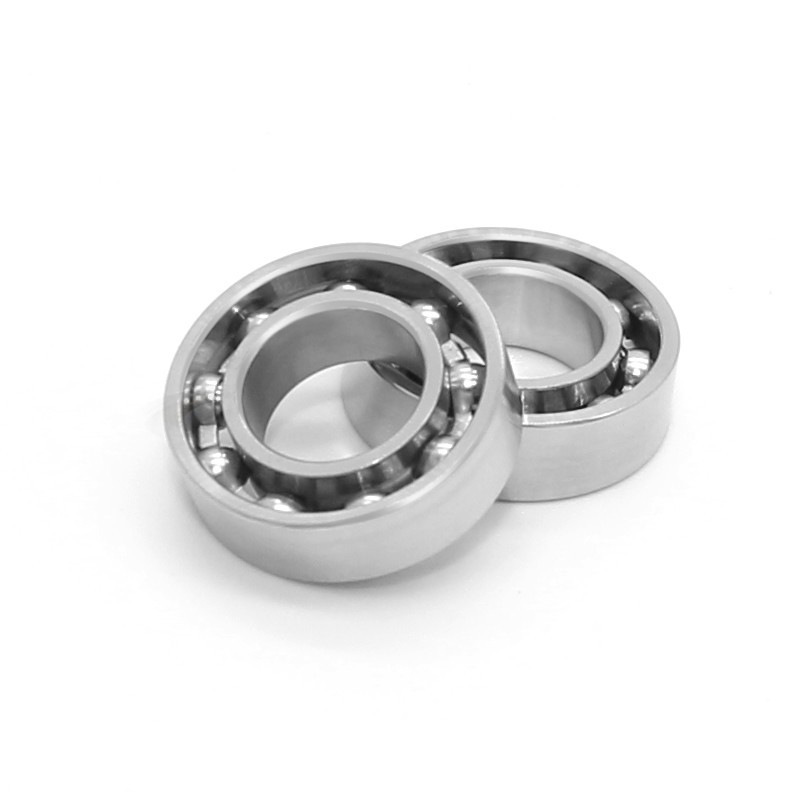
We also offer a variety of bearings to complement our radiators, including Crankshaft Bearing 6001-2RS, 698ZZ Industrial Deep Groove Ball Bearing | High Speed, High Precision, Heat & Corrosion Resistant, Full OEM ODM Custom Service | BLH, Miniature Ball Bearing 683ZZ, Single Row Deep Groove Ball Bearing S689, and Stainless Steel Bearing Model: S685ZZ. These bearings are designed to provide smooth and reliable operation, even under high loads and speeds.
Contact Us for More Information
If you're interested in learning more about our bearing motor fan radiators or have any questions about selecting the right radiator size for your application, please don't hesitate to contact us. Our team of experts is available to provide you with personalized advice and support to help you make the best decision for your needs.
References
- Incropera, F. P., & DeWitt, D. P. (2002). Fundamentals of heat and mass transfer. John Wiley & Sons.
- Holman, J. P. (2009). Heat transfer. McGraw-Hill.
- Kays, W. M., & Crawford, M. E. (1993). Convective heat and mass transfer. McGraw-Hill.