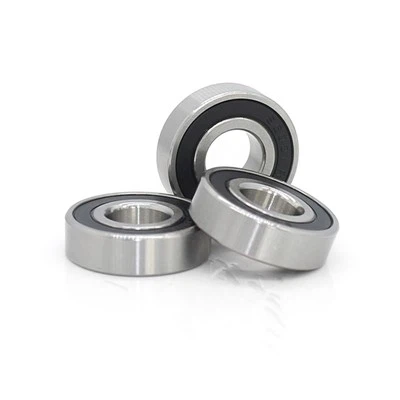
Manufacturing motor bearings is a complex and challenging process. As a motor bearings supplier, I've seen firsthand the hurdles that come with producing high - quality bearings for various applications. In this blog, I'll share some of the key challenges we face in motor bearing manufacturing.
Material Selection
One of the first and most crucial challenges is choosing the right materials. Motor bearings need to endure high levels of stress, friction, and wear. The material must have excellent mechanical properties, like high hardness and toughness. For example, many of our bearings are made from high - carbon chromium steel, which is well - known for its durability. But sourcing high - quality steel can be a headache. The quality of steel can vary significantly between suppliers. We need to ensure that the steel we use meets strict standards for things like chemical composition and grain structure. If the material is subpar, it can lead to premature bearing failure, which is a big no - no in the industry.
Another aspect is that different applications demand different materials. For instance, in the automotive industry, where conditions can be harsh, bearings need to be corrosion - resistant. Our Automotive Tensioner Bearing 6206 2RS is designed to withstand the rigors of the automotive environment. It requires a special type of steel or a coating to prevent rust and corrosion. Finding the right materials with the correct balance of properties can be time - consuming and costly.
Precision Machining
Motor bearings require extremely high levels of precision. The tolerances in bearing manufacturing are incredibly tight. Even a tiny deviation can cause problems. For example, if the inner or outer race of a bearing is not perfectly round or if the raceway is not machined to the correct profile, it can lead to uneven loading on the rolling elements. This, in turn, can cause increased friction, noise, and reduced bearing life.
We use advanced machining technologies, such as CNC turning and grinding, to achieve the required precision. However, these machines need to be maintained and calibrated regularly. Any wear and tear on the cutting tools or inaccuracies in the machine's movement can affect the quality of the bearings. And let's not forget about the human factor. Skilled operators are needed to run these machines, and training them to work with such high precision is a continuous process.
Heat Treatment
Heat treatment is a critical step in bearing manufacturing. It's used to improve the hardness, strength, and toughness of the bearing components. But getting the heat treatment right is no easy feat. The process involves heating the bearing parts to specific temperatures and then cooling them at a precise rate. If the temperature or cooling rate is off, it can lead to problems like uneven hardness, cracking, or distortion of the parts.
For example, in the case of our Electric Vehicle Specific Bearing 6203 - 2RS, the heat treatment process needs to be carefully optimized. Electric vehicles have unique operating conditions, and the bearings need to be able to handle high - speed rotations and variable loads. Incorrect heat treatment can compromise the performance of these bearings, which is unacceptable for our customers in the EV industry.
Lubrication
Proper lubrication is essential for the smooth operation of motor bearings. It reduces friction and wear, dissipates heat, and prevents corrosion. But choosing the right lubricant is a challenge. Different applications have different lubrication requirements. In high - speed applications, a lubricant with low viscosity is often needed to reduce drag. On the other hand, in applications with heavy loads, a high - viscosity lubricant is required to provide sufficient film thickness between the rolling elements and the raceways.
We also need to consider the operating environment. For example, in bearings used in automotive steering systems, like our Special Bearing 6905 - 2RS For Automotive Steering Systems, the lubricant needs to be able to withstand temperature variations and exposure to contaminants. Additionally, the lubrication method needs to be carefully designed. Over - lubrication can cause excessive heat generation, while under - lubrication can lead to premature wear.
Quality Control
Maintaining strict quality control throughout the manufacturing process is a major challenge. We need to inspect every bearing to ensure it meets our customers' specifications. This involves a variety of tests, such as dimensional inspections, hardness testing, and surface finish analysis.
We use advanced measurement equipment, like coordinate measuring machines (CMMs), to check the dimensions of the bearings. However, these tests need to be carried out at multiple stages of the manufacturing process, from the raw material stage to the final assembly. Any quality issues detected at a late stage can be very costly to correct. And with increasing customer demands for zero - defect products, our quality control standards are constantly being raised.
Environmental and Regulatory Compliance
The manufacturing industry is subject to a wide range of environmental and regulatory requirements. In the production of motor bearings, we need to ensure that our manufacturing processes are environmentally friendly. This includes proper disposal of waste materials, reduction of energy consumption, and compliance with emissions standards.
For example, some of the chemicals used in the heat treatment and lubrication processes need to be handled and disposed of properly to prevent environmental pollution. We also need to comply with international standards for bearing manufacturing, which can vary from country to country. Keeping up with these regulations and ensuring that our products meet all the required standards is a continuous challenge.
Competitive Pricing
In the highly competitive market of motor bearings, pricing is a significant challenge. Customers are always looking for high - quality bearings at the best price. We need to find a balance between the cost of production and the price we charge for our products. With the increasing costs of raw materials, energy, and labor, it's becoming more and more difficult to offer competitive prices without sacrificing quality.

We constantly look for ways to optimize our manufacturing processes to reduce costs. This includes improving production efficiency, reducing waste, and negotiating better deals with our suppliers. But at the same time, we can't compromise on the quality of our bearings, as our reputation in the market depends on it.
Conclusion
Manufacturing motor bearings is a challenging but rewarding business. As a supplier, we face numerous obstacles in material selection, precision machining, heat treatment, lubrication, quality control, environmental compliance, and pricing. However, by constantly innovating and improving our processes, we're able to overcome these challenges and provide high - quality bearings to our customers.
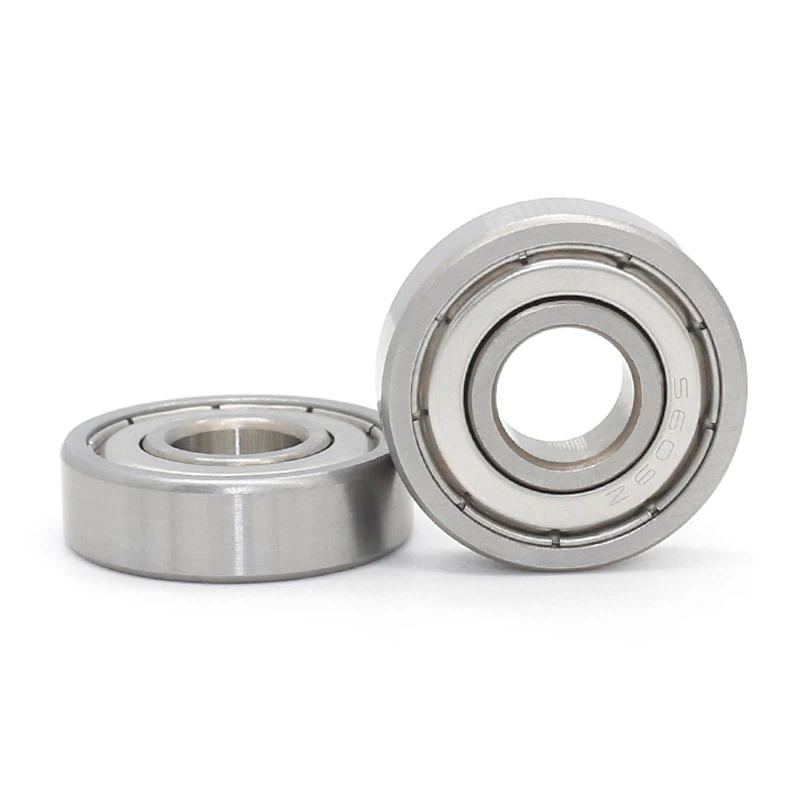
If you're in the market for motor bearings, whether it's our Automotive Cooling Fan Bearing 609ZZ or Car Wiper Motor Special Bearing S607ZZ, we'd love to have a chat with you. Feel free to reach out for more information and to discuss your specific requirements. We're committed to providing the best solutions for your bearing needs.
References
- Johnson, K. L. (1985). Contact Mechanics. Cambridge University Press.
- Harris, T. A., & Kotzalas, M. N. (2007). Rolling Bearing Analysis. John Wiley & Sons.
- Stachowiak, G. W., & Batchelor, A. W. (2005). Engineering Tribology. Elsevier.