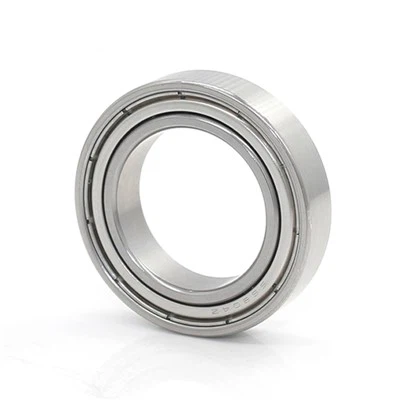
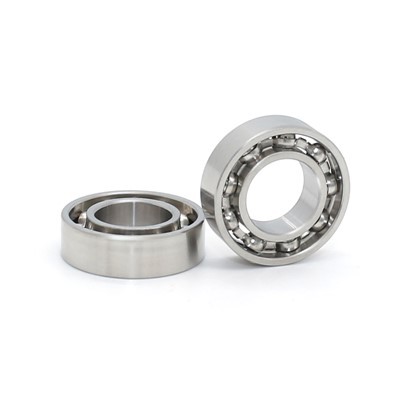
Ball bearings are crucial components in a wide range of machinery and equipment, from bicycles to industrial motors. As a ball bearing supplier, I've witnessed firsthand the various factors that can lead to ball bearing failure. Understanding these causes is essential for preventing premature failure and ensuring the optimal performance of your machinery. In this blog post, I'll explore the common causes of ball bearing failure and provide insights on how to avoid them.
1. Lubrication Issues
One of the most common causes of ball bearing failure is improper lubrication. Lubrication plays a vital role in reducing friction and wear between the bearing components, as well as preventing corrosion. Insufficient lubrication can lead to increased friction, which generates heat and accelerates wear. Over time, this can cause the bearing to seize or fail completely.
On the other hand, excessive lubrication can also be a problem. Too much lubricant can create a drag on the bearing, reducing its efficiency and increasing the risk of overheating. Additionally, contaminated lubricant can introduce abrasive particles into the bearing, causing damage to the raceways and balls.
To ensure proper lubrication, it's important to use the right type of lubricant for your application and to follow the manufacturer's recommendations for lubrication intervals. Regularly inspect the lubricant for signs of contamination or degradation, and replace it as needed.
2. Overloading
Another common cause of ball bearing failure is overloading. When a bearing is subjected to loads that exceed its rated capacity, it can lead to excessive stress and deformation of the bearing components. This can cause the raceways and balls to wear prematurely, leading to increased friction and heat generation.
Overloading can occur due to a variety of factors, such as improper installation, misalignment, or operating the machinery at speeds or loads beyond its design specifications. To prevent overloading, it's important to select the right bearing for your application and to ensure that it is installed correctly. Regularly monitor the operating conditions of your machinery and make adjustments as needed to avoid overloading the bearings.
3. Misalignment
Misalignment is a significant cause of ball bearing failure. When the bearing is not properly aligned with the shaft or housing, it can cause uneven loading on the bearing components. This can lead to increased wear, vibration, and noise, as well as premature failure of the bearing.
Misalignment can occur during installation or due to changes in the operating conditions of the machinery. To prevent misalignment, it's important to use precision alignment tools during installation and to regularly check the alignment of the bearings. If misalignment is detected, take corrective action immediately to prevent further damage to the bearings.
4. Contamination
Contamination is another major factor that can lead to ball bearing failure. Dust, dirt, moisture, and other contaminants can enter the bearing and cause damage to the raceways and balls. This can lead to increased friction, wear, and corrosion, as well as reduced bearing life.

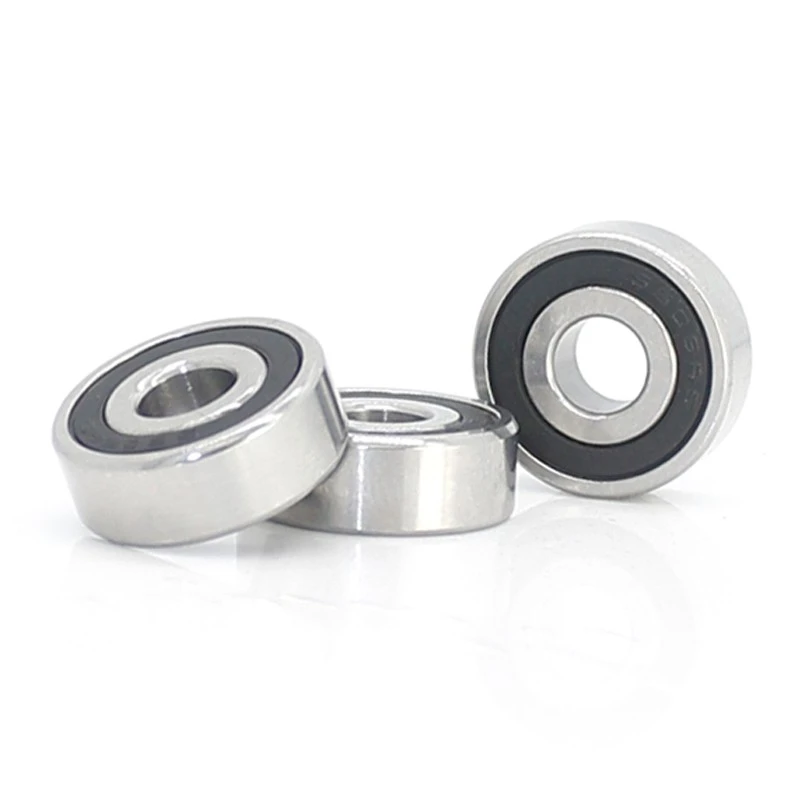
Contamination can occur during manufacturing, installation, or operation of the machinery. To prevent contamination, it's important to use proper handling and storage procedures for the bearings. Additionally, install seals and shields to prevent contaminants from entering the bearing. Regularly clean and inspect the bearings to remove any contaminants that may have accumulated.
5. Fatigue
Fatigue is a natural process that occurs over time as the bearing is subjected to repeated loading. Eventually, the material in the bearing will begin to crack and fail due to the cyclic stresses. Fatigue failure is typically characterized by spalling or pitting on the raceways and balls.
The rate of fatigue failure depends on several factors, including the load, speed, and operating conditions of the bearing. To reduce the risk of fatigue failure, it's important to select the right bearing for your application and to ensure that it is operated within its design specifications. Regularly monitor the bearing for signs of fatigue and replace it as needed.
6. Corrosion
Corrosion is a chemical reaction that occurs when the bearing is exposed to moisture or other corrosive substances. Corrosion can cause damage to the bearing components, leading to increased friction, wear, and reduced bearing life.
Corrosion can occur due to a variety of factors, such as exposure to water, chemicals, or high humidity environments. To prevent corrosion, it's important to use bearings made from corrosion-resistant materials and to apply protective coatings or lubricants. Additionally, ensure that the bearing is installed in a clean and dry environment and that it is protected from moisture and other corrosive substances.
Examples of Our Ball Bearings and Their Potential Failure Causes
Let's take a look at some of the ball bearings we offer and the potential failure causes they may face:
- 6805W6.5-2Z Bicycle Bearing 25377 mm Bicycle Hub Ball Bearing: This bearing is commonly used in bicycle hubs. It may fail due to contamination from dirt and water, especially if the bike is ridden in wet or muddy conditions. Overloading can also occur if the rider carries heavy loads or rides aggressively.
- Cooling Fan Bearings MR52ZZ: These bearings are used in cooling fans. They may fail due to lubrication issues, as the high-speed operation of the fan can cause the lubricant to break down over time. Contamination from dust and debris can also be a problem, especially in dirty environments.
- S606-2RS Stainless Steel Bearing: A High-Speed, Quiet Bearing For Miniature Motors: This bearing is designed for high-speed applications in miniature motors. It may fail due to fatigue, as the high-speed operation can cause the bearing to experience cyclic stresses. Overheating can also be a problem if the motor is not properly cooled.
- Freewheel Bearing 623UG: This bearing is used in freewheels. It may fail due to misalignment, as the freewheel needs to be properly aligned with the sprocket. Contamination from dirt and grease can also be a problem, especially if the freewheel is not properly maintained.
- Low Noise Motor Bearing S628ZZ: This bearing is designed for low-noise applications in motors. It may fail due to lubrication issues, as the low-noise operation requires a specific type of lubricant. Overloading can also occur if the motor is operated at high loads for extended periods of time.
Conclusion
Ball bearing failure can be caused by a variety of factors, including lubrication issues, overloading, misalignment, contamination, fatigue, and corrosion. As a ball bearing supplier, we understand the importance of providing high-quality bearings and helping our customers prevent premature failure. By understanding the common causes of ball bearing failure and taking appropriate preventive measures, you can ensure the optimal performance and longevity of your machinery.
If you're in the market for ball bearings or need assistance with bearing selection and maintenance, we're here to help. Contact us to discuss your specific requirements and let us provide you with the right solution for your application.
References
- Harris, T. A., & Kotzalas, M. N. (2007). Rolling Bearing Analysis. John Wiley & Sons.
- Zaretsky, E. V. (2010). Ball and Roller Bearing Engineering. CRC Press.
- SKF. (2019). SKF Rolling Bearing Handbook. SKF Group.