Are ceramic bearings suitable for high - vibration applications? Well, that's a question I get asked a lot as a ceramic bearings supplier. In this blog, I'm gonna dive deep into this topic and share my insights based on years of experience in the industry.
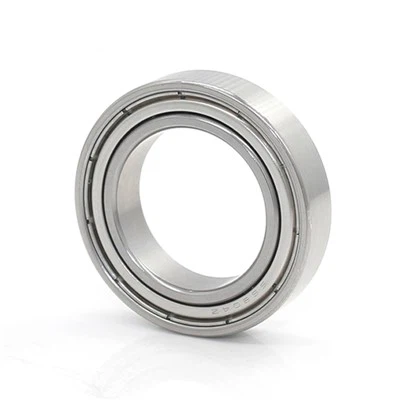
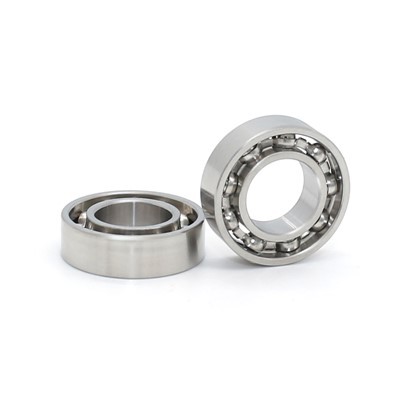
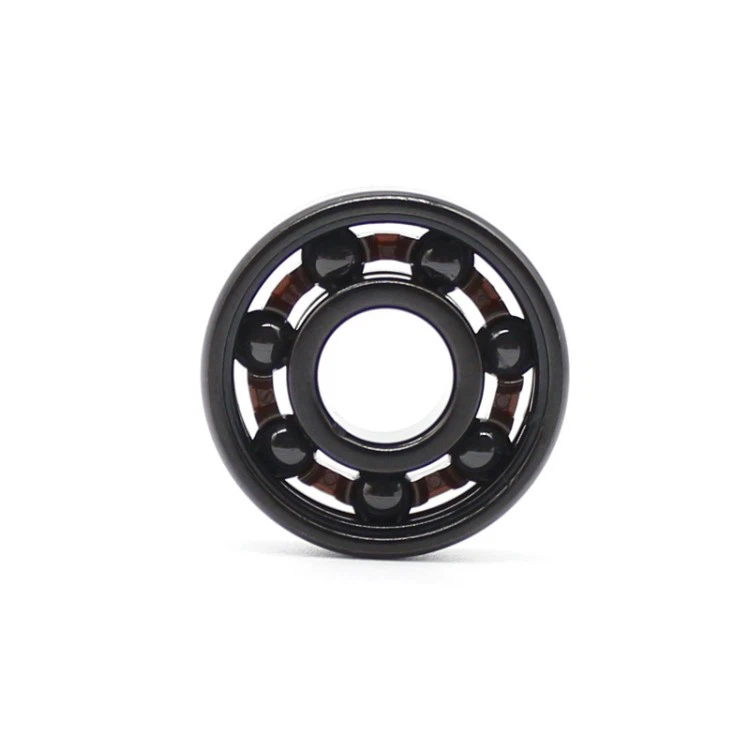
First off, let's talk about what ceramic bearings are. Ceramic bearings are bearings made with ceramic components, and they come in different types like Silicon Nitride Bearings, Hybrid Ceramic Bearings, and Zirconia Bearings. Each type has its own unique properties, but they all share some common advantages over traditional steel bearings.
One of the key benefits of ceramic bearings is their high hardness. Ceramic materials are much harder than steel, which means they can withstand more wear and tear. In high - vibration applications, there's a lot of friction and stress on the bearings. The hardness of ceramic bearings helps them resist deformation and damage caused by this constant vibration. For example, in a machine that vibrates a lot during operation, a ceramic bearing is less likely to develop surface cracks or pits compared to a steel bearing.
Another advantage is their low density. Ceramic is lighter than steel, and this can be a game - changer in high - vibration scenarios. In a vibrating system, the lighter the moving parts, the less inertia they have. Less inertia means that the bearings can adapt more quickly to the changes in vibration direction and intensity. This results in smoother operation and less stress on the overall system. For instance, in a high - speed rotating machine with a lot of vibration, the reduced weight of ceramic bearings can lead to lower energy consumption and less wear on other components.
Ceramic bearings also have excellent corrosion resistance. In many high - vibration applications, the environment can be harsh, with exposure to moisture, chemicals, or dust. Steel bearings are prone to rust and corrosion in such conditions, which can significantly reduce their lifespan and performance. Ceramic bearings, on the other hand, are highly resistant to these elements. This makes them a great choice for applications like marine equipment, where the bearings are constantly exposed to saltwater and high - vibration from the engine.
However, it's not all sunshine and rainbows. There are some challenges with using ceramic bearings in high - vibration applications. One of the main issues is their brittleness. Ceramic is a brittle material, which means it can crack or break if subjected to sudden, high - impact loads. In a high - vibration environment, there's always a risk of shock loads, especially if the machine experiences a sudden jolt or if there's an imbalance in the system. If a ceramic bearing cracks, it can lead to a complete failure of the bearing, which can be costly and dangerous in some applications.
Another challenge is the cost. Ceramic bearings are generally more expensive than steel bearings. The production process of ceramic materials is more complex and requires specialized equipment. This higher cost can be a deterrent for some customers, especially those on a tight budget. However, it's important to consider the long - term benefits. In the long run, the lower maintenance costs, longer lifespan, and better performance of ceramic bearings can offset the initial investment.

So, are ceramic bearings suitable for high - vibration applications? The answer is, it depends. For applications where the vibration is relatively stable and the risk of shock loads is low, ceramic bearings can be an excellent choice. They offer superior performance in terms of wear resistance, corrosion resistance, and energy efficiency. For example, in a precision manufacturing machine that vibrates steadily during operation, ceramic bearings can improve the accuracy and reliability of the machine.
On the other hand, for applications with high - impact vibrations or where sudden shock loads are common, the brittleness of ceramic bearings can be a major drawback. In such cases, a combination of ceramic and steel components or a carefully designed protective system may be required to ensure the bearing's durability.
As a ceramic bearings supplier, I've seen firsthand how these bearings can transform the performance of high - vibration systems. I've worked with customers in various industries, from aerospace to automotive, and have helped them find the right ceramic bearings for their specific needs.
If you're in the market for ceramic bearings for a high - vibration application, I'd love to have a chat with you. Whether you need help choosing the right type of bearing, want to know more about their performance characteristics, or have questions about the cost, I'm here to assist you. Just reach out, and we can start discussing how ceramic bearings can improve your machinery's performance and reliability.
References:
- Industry research reports on ceramic materials and bearing applications
- Case studies from customers in high - vibration industries
- Technical documentation from ceramic bearing manufacturers