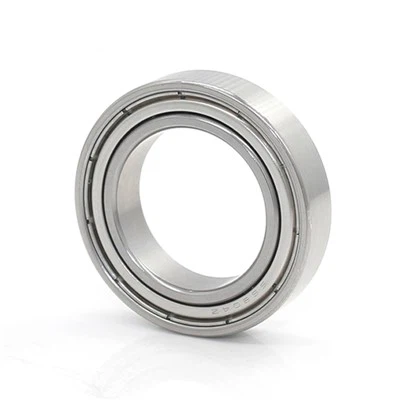
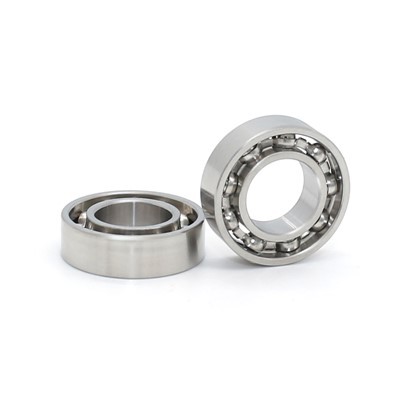
Roller bearings are essential components in a wide range of machinery and equipment, known for their ability to reduce friction between moving parts and support radial and axial loads. As a leading roller bearing supplier, we understand the diverse applications of these bearings and are committed to providing high - quality products to meet various industrial needs. In this blog, we will explore some of the key applications of roller bearings.
Industrial Machinery
- Machine Tools
In the manufacturing industry, machine tools such as lathes, milling machines, and grinding machines rely heavily on roller bearings. These bearings are used in the spindle of the machine tool, which holds and rotates the cutting tool or the workpiece. Cylindrical roller bearings are a popular choice in machine tool spindles due to their high radial load - carrying capacity and ability to maintain high precision. For example, in a high - speed milling machine, the spindle needs to rotate precisely at high speeds. The use of suitable roller bearings ensures smooth operation, reduces vibration, and improves the surface finish of the machined parts. - Conveyor Systems
Conveyor systems are widely used in industries for transporting goods. Roller bearings are crucial in the rollers of these conveyor systems. Tapered roller bearings are often employed as they can handle both radial and axial loads effectively. The smooth rotation of the rollers enabled by these bearings ensures the efficient movement of materials. Whether it's a small - scale assembly line conveyor or a large - scale bulk material handling conveyor in a mining operation, roller bearings play a vital role in maintaining the continuous flow of products.
Automotive Industry
- Engine Applications
In automotive engines, roller bearings are used in various components. For example, needle roller bearings are commonly found in the engine's connecting rods. These bearings are extremely thin and can handle high loads in a limited space. They help to reduce friction between the piston and the crankshaft, improving the engine's efficiency and power output. Additionally, cylindrical and tapered roller bearings are used in the engine's camshaft and crankshaft supports to ensure smooth rotation and reliable operation. - Wheel Hubs
The wheel hubs of vehicles rely on roller bearings for support and smooth rotation. Double - row angular contact ball bearings or tapered roller bearings are typically used in wheel hub applications. These bearings can withstand the combined radial and axial loads generated by the vehicle's weight, acceleration, braking, and cornering forces. A well - functioning wheel hub bearing is essential for vehicle safety and handling.
Aerospace Industry
- Aircraft Engines
Aircraft engines operate under extremely high - temperature and high - speed conditions. Roller bearings used in aircraft engines, such as spherical roller bearings, are designed to withstand these harsh environments. They need to support heavy radial and axial loads while maintaining low friction and high reliability. The materials used in these bearings are often high - performance alloys that can resist corrosion and heat. For example, in a jet engine, the compressor and turbine sections use roller bearings to ensure the smooth rotation of the blades, which are critical for the engine's performance. - Landing Gear
The landing gear of an aircraft is another area where roller bearings are essential. Cylindrical and tapered roller bearings are used in the landing gear struts and wheels. These bearings must be able to support the entire weight of the aircraft during takeoff, landing, and taxiing. They also need to withstand shock loads and rapid changes in load direction. The reliability of the landing gear bearings is directly related to the safety of the aircraft.
Energy and Power Generation
- Wind Turbines
Wind turbines are large - scale power generation equipment that requires reliable roller bearings. Spherical roller bearings and tapered roller bearings are widely used in the main shaft, gearbox, and yaw and pitch systems of wind turbines. In the main shaft, the bearings need to support the heavy rotor and blade assembly and withstand the variable loads caused by wind gusts. In the gearbox, roller bearings help to transfer power from the low - speed rotor to the high - speed generator. The yaw and pitch systems use bearings to adjust the orientation of the turbine blades and the entire nacelle, ensuring optimal power generation. - Hydroelectric Generators
In hydroelectric power plants, roller bearings are used in the generators and turbines. The bearings in the turbine shafts need to support the large water - driven rotors and operate in a wet environment. Special corrosion - resistant roller bearings are often used to ensure long - term reliability. In the generator, the bearings help to maintain the precise alignment of the rotor and stator, which is crucial for efficient power generation.
Marine Industry
- Ship Propulsion Systems
The propulsion systems of ships, including diesel engines and gas turbines, use roller bearings. Cylindrical and tapered roller bearings are used in the crankshafts and gearboxes of these engines. These bearings need to withstand high loads and operate in a marine environment, which is prone to corrosion. Therefore, corrosion - resistant materials or special coatings are applied to the bearings. The smooth operation of the propulsion system bearings is essential for the ship's speed and maneuverability. - Steering Systems
The steering systems of ships also rely on roller bearings. Angular contact ball bearings or tapered roller bearings are used in the steering gear mechanisms. These bearings help to transfer the steering force and ensure the precise control of the ship's direction.
Our Product Offerings
As a roller bearing supplier, we offer a wide range of high - quality products to meet the diverse needs of different industries. Our product portfolio includes Custom SUS304 High Temperature Bearings that are designed to operate in extreme temperature environments. These bearings are made of SUS304 stainless steel, which provides excellent corrosion resistance and high - temperature stability.
We also have Non Standard Stainless Steel Bearing S6000ZZ, which is suitable for applications where standard bearings do not meet the specific requirements. This non - standard bearing is made of stainless steel, ensuring durability and reliability.
For water - related applications, our S6900ZZ Water Pump Bearings are an ideal choice. These bearings are designed to withstand the wet environment and high - speed operation of water pumps.
The S605 Stainless Steel Deep Groove Ball Bearing is another popular product in our catalog. It offers low - friction operation and high - precision performance, making it suitable for a variety of industrial applications.
In addition, we have the Special Bearing Guide Wheel Outer Ring Slotted Ball Bearing 6200 - 2RS, which is designed for special applications such as guide wheels. This bearing has a slotted outer ring, which provides unique features for specific operating conditions.


Contact Us for Procurement
If you are in need of roller bearings for your industrial applications, we invite you to contact us for procurement discussions. Our experienced team can help you select the most suitable bearings based on your specific requirements, including load capacity, speed, operating environment, and more. We are committed to providing high - quality products and excellent customer service to ensure your business runs smoothly.
References
- Harris, T. A., & Kotzalas, M. N. (2007). Rolling Bearing Analysis. John Wiley & Sons.
- Gupta, P. K. (2002). Introduction to Rolling Element Bearings. CRC Press.
- Stachowiak, G. W., & Batchelor, A. W. (2005). Engineering Tribology. Elsevier.