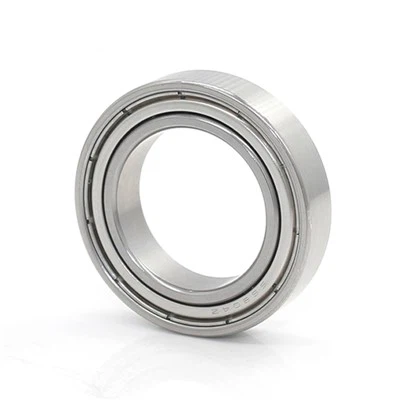
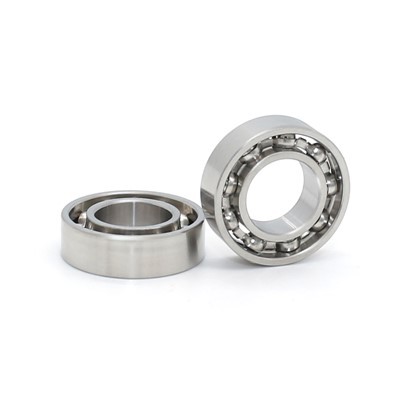
Hey there! As a pump bearing supplier, I've dealt with all sorts of situations related to pump bearings. One common question I get a lot is, "How do I remove a pump bearing?" Well, in this blog, I'm gonna walk you through the whole process step by step.
First off, let's talk about why you might need to remove a pump bearing. Over time, bearings can wear out due to factors like friction, heat, and contamination. When a bearing starts to fail, it can cause all sorts of problems for your pump, such as increased noise, vibration, and even reduced efficiency. So, removing and replacing a worn - out bearing is often necessary to keep your pump running smoothly.
Pre - removal Preparations
Before you start removing the pump bearing, you need to make sure you have all the right tools. You'll typically need a puller, which comes in different types like hydraulic pullers or mechanical pullers. A good set of wrenches is also essential for removing any bolts or nuts that are holding the bearing in place. And don't forget safety gear! Gloves and safety glasses are a must to protect yourself from any sharp edges or debris.
It's also crucial to disconnect the power supply to the pump. You don't want the pump to start up accidentally while you're working on it. Make sure to lock out the power source to prevent any unexpected energization.
Step 1: Remove the Pump Cover
The first step in removing the pump bearing is to take off the pump cover. Usually, there are a few bolts around the perimeter of the cover. Use your wrenches to loosen and remove these bolts. Once the bolts are out, gently lift the cover off. Be careful not to damage any gaskets or seals that are between the cover and the pump body.
Step 2: Locate the Bearing
After removing the cover, you'll be able to see the bearing. Bearings are usually located near the shaft of the pump. Sometimes, there might be a bearing housing that encloses the bearing. In this case, you'll need to remove the housing as well. Look for any retaining rings or clips that are holding the housing in place and use the appropriate tools to remove them.


Step 3: Use a Puller
Now it's time to use the puller to remove the bearing. Place the puller jaws around the outer race of the bearing. Make sure the jaws are firmly seated and centered. If you're using a hydraulic puller, slowly apply pressure to the puller. The hydraulic force will gradually pull the bearing off the shaft. If you're using a mechanical puller, turn the handle to tighten the puller and start pulling the bearing.
It might take a bit of force to remove the bearing, especially if it's been in place for a long time. But be careful not to apply too much force, as this could damage the shaft or the bearing housing. If the bearing is really stuck, you can try using a little bit of heat. You can use a heat gun to gently heat the bearing housing. The heat will cause the metal to expand slightly, making it easier to remove the bearing.
Step 4: Inspect the Shaft and Housing
Once the bearing is removed, take a good look at the shaft and the bearing housing. Check for any signs of wear, damage, or scoring. If the shaft is damaged, it might need to be repaired or replaced. The same goes for the bearing housing. If there are any rough spots or damage, it could affect the performance of the new bearing.
Step 5: Clean Everything
Before installing a new bearing, it's important to clean the shaft and the bearing housing thoroughly. Use a degreaser to remove any dirt, grease, or debris. You can also use a wire brush to scrub away any stubborn deposits. Make sure to dry the parts completely before proceeding.
Our Pump Bearing Offerings
As a pump bearing supplier, we offer a wide range of high - quality bearings. For example, we have the Non Standard Stainless Steel Bearing S626ZZ. This bearing is made of stainless steel, which makes it resistant to corrosion and suitable for use in harsh environments.
We also have the Explore The Black Technology in Bearings S608 2rs Bearings. These bearings are designed with some advanced technology that can improve their performance and durability.
The S605 Stainless Steel Deep Groove Ball Bearing is another great option. It has a deep groove design that can handle both radial and axial loads effectively.
If you're looking for something more specialized, we have the Non Standard Stainless Steel Bearing S6000ZZ. This non - standard bearing can be customized to meet your specific requirements.
And for those who need a unique bearing, our Customized S628ZZ Double Row Steel Ball U Shaped Roller Bearing is a great choice. It offers a double - row design and a U - shaped roller, which can provide better stability and load - carrying capacity.
Installation of the New Bearing
Installing a new bearing is just as important as removing the old one. Make sure the new bearing is the right size and type for your pump. Before installing the bearing, apply a thin layer of lubricant to the shaft. This will help the bearing slide on easily and prevent any damage during installation.
Use a bearing installer or a soft - faced hammer to gently tap the bearing onto the shaft. Make sure the bearing is seated properly and centered. Once the bearing is in place, reinstall the bearing housing and the pump cover. Tighten all the bolts to the recommended torque.
Conclusion
Removing a pump bearing might seem like a daunting task, but if you follow the right steps and use the proper tools, it can be done safely and effectively. And remember, as a pump bearing supplier, we're here to help you with all your bearing needs. Whether you need a replacement bearing or have questions about installation, feel free to reach out. We're always ready to assist you in making the right choice for your pump. So, if you're in the market for high - quality pump bearings, don't hesitate to contact us for a purchase negotiation.
References
- Machinery's Handbook, 31st Edition
- Bearing Installation and Maintenance Guide by SKF