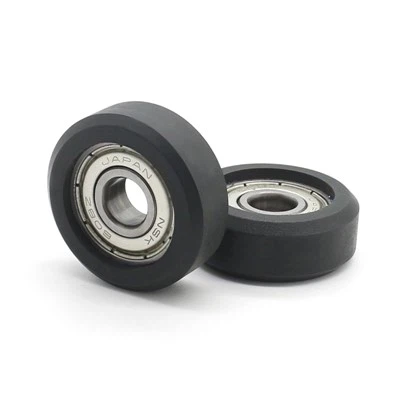
Hey there! As a supplier of spherical plain bearings, I've seen my fair share of bearing failures. It can be a real headache for both us suppliers and our customers. In this blog, I'm gonna share some tips on how to diagnose the failures of spherical plain bearings.
First off, let's understand what spherical plain bearings are. These bearings are designed to handle both radial and axial loads, and they can accommodate angular misalignment. They're used in a wide range of applications, from automotive to aerospace, and even in heavy machinery.
Now, let's get into the nitty - gritty of diagnosing bearing failures.
Visual Inspection
The first step in diagnosing a spherical plain bearing failure is a visual inspection. This is probably the easiest and quickest way to spot some obvious problems.
Wear
Take a close look at the bearing surface. If you see excessive wear, it could be a sign of a problem. Wear can be caused by a variety of factors, such as poor lubrication, high loads, or contamination. For example, if the bearing is used in a dirty environment, dust and debris can get into the bearing and cause abrasion.
Cracks
Check for cracks on the bearing. Cracks can occur due to impact, overloading, or material defects. A cracked bearing is a serious issue because it can lead to sudden failure, which can be dangerous in some applications.
Corrosion
Corrosion is another common problem. If the bearing is exposed to moisture or corrosive substances, it can start to rust. This not only weakens the bearing but also affects its performance. You can usually tell if there's corrosion by looking for discoloration or pitting on the bearing surface.
Analyzing the Lubrication
Lubrication plays a crucial role in the performance of spherical plain bearings. A lack of proper lubrication can cause increased friction, heat, and wear.
Lubricant Condition
Check the condition of the lubricant. If it's dirty, contaminated, or has lost its viscosity, it might not be doing its job properly. For example, if the lubricant has a lot of metal particles in it, it could indicate that there's excessive wear inside the bearing.
Lubrication Frequency
Make sure the bearing is being lubricated at the right intervals. Some applications require more frequent lubrication than others. If the bearing isn't getting enough lubricant, it can lead to premature failure.
Checking the Installation
Improper installation is a major cause of bearing failures.
Alignment
The bearing needs to be properly aligned with the shaft and the housing. Misalignment can cause uneven loading on the bearing, which can lead to wear and premature failure. You can use alignment tools to check if the bearing is installed correctly.
Tightening Torque
Make sure the bearing is tightened to the correct torque. If it's too loose, it can move around and cause damage. If it's too tight, it can put excessive stress on the bearing.
Analyzing the Operating Conditions
The operating conditions of the bearing can also have a big impact on its performance.
Load
Excessive loads can cause the bearing to fail. Make sure the bearing is rated for the load it's being subjected to. If the load is too high, consider using a larger or stronger bearing.
Speed
High speeds can generate a lot of heat, which can affect the lubrication and the material properties of the bearing. Make sure the bearing is suitable for the speed at which it's operating.
Temperature
Extreme temperatures can also cause problems. If the bearing is operating in a very hot or cold environment, it can affect the lubrication and the expansion/contraction of the bearing components.
Let's take a look at some specific examples of spherical plain bearings and how these diagnosis methods apply.
The GE80 Bearing is a radial spherical plain bearing. When diagnosing its failure, you'd want to pay close attention to the radial load it's handling. Check for signs of wear on the inner and outer raceways, as well as the sliding surface of the ball. Make sure the lubrication is appropriate for the load and speed requirements of this bearing.
The Rod End Bearings SA8 are commonly used in applications where there's a need for articulation. When diagnosing their failures, focus on the alignment of the rod end. Any misalignment can cause excessive wear on the ball and socket joint. Also, check the lubrication to ensure smooth movement.

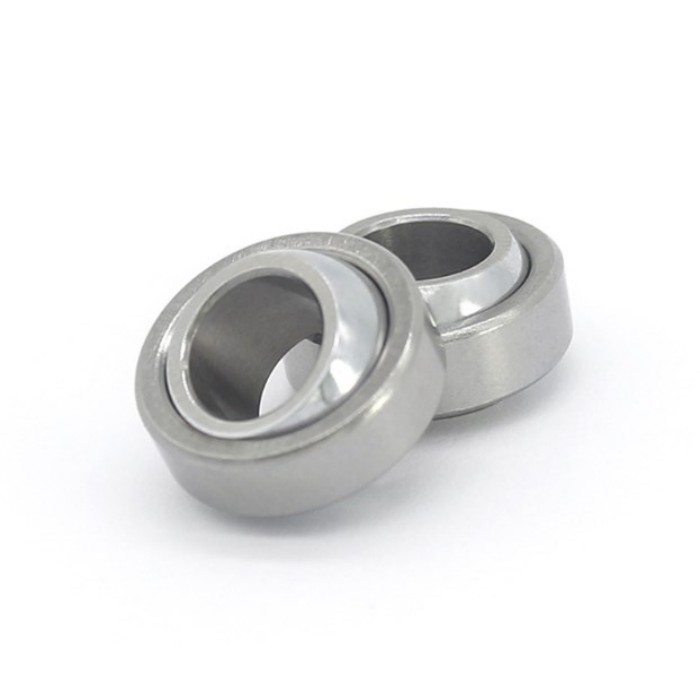
The Stainless Steel Rod End Bearings SI5 are made of stainless steel, which offers good corrosion resistance. However, even these bearings can fail if they're exposed to harsh chemicals or if the lubrication breaks down. Check for signs of corrosion and make sure the lubricant is compatible with the stainless - steel material.
In conclusion, diagnosing the failures of spherical plain bearings requires a combination of visual inspection, lubrication analysis, installation checks, and an understanding of the operating conditions. By following these steps, you can identify the root cause of the problem and take appropriate action to prevent future failures.
If you're facing issues with spherical plain bearings or are in the market to purchase them, don't hesitate to reach out. We're here to help you find the right bearings for your application and provide expert advice on maintenance and troubleshooting.
References
- Harris, T. A., & Kotzalas, M. N. (2007). Rolling Bearing Analysis. Wiley.
- Machinery's Handbook (30th Edition). Industrial Press.