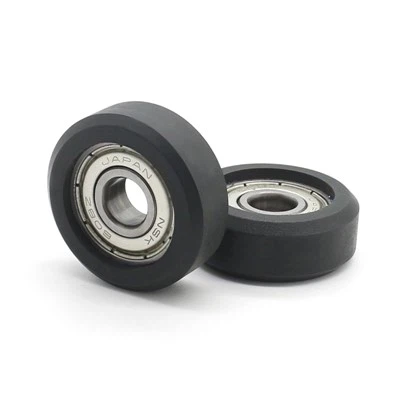
Matching a pulley bearing with a housing is a crucial task that requires careful consideration of various factors to ensure optimal performance, reliability, and longevity of the pulley system. As a leading pulley bearing supplier, we understand the intricacies involved in this process and are here to guide you through the key steps and considerations.
Understanding the Basics of Pulley Bearings and Housings
Before delving into the matching process, it's essential to have a clear understanding of what pulley bearings and housings are and how they work together.
Pulley bearings are mechanical components that support the rotation of a pulley by reducing friction between the pulley shaft and the housing. They come in various types, including ball bearings, roller bearings, and sleeve bearings, each with its own unique characteristics and applications.
Housings, on the other hand, are the enclosures that hold the pulley bearings in place and provide support and protection. They are typically made of materials such as cast iron, steel, or aluminum and are designed to withstand the loads and stresses imposed by the pulley system.
Factors to Consider When Matching a Pulley Bearing with a Housing
Matching a pulley bearing with a housing involves considering several factors, including the following:
Load Capacity
The load capacity of a pulley bearing and housing is one of the most critical factors to consider. It refers to the maximum amount of load that the bearing and housing can support without experiencing excessive wear or failure. When selecting a bearing and housing, it's essential to determine the type of load (radial, axial, or combined) that the pulley system will be subjected to and choose a bearing and housing with a sufficient load capacity to handle the load.
Speed Rating
The speed rating of a pulley bearing and housing indicates the maximum rotational speed at which the bearing and housing can operate safely and efficiently. It's important to choose a bearing and housing with a speed rating that is compatible with the operating speed of the pulley system. Operating a bearing and housing at a speed higher than their rated speed can lead to increased friction, heat generation, and premature wear.
Tolerance and Fit
The tolerance and fit between the pulley bearing and housing are crucial for ensuring proper alignment and operation of the pulley system. The bearing should fit snugly into the housing without being too tight or too loose. A proper fit helps to prevent excessive vibration, noise, and wear, and ensures that the bearing can rotate smoothly.
Lubrication
Lubrication is essential for reducing friction and wear between the pulley bearing and housing. It helps to dissipate heat, prevent corrosion, and extend the lifespan of the bearing and housing. When selecting a bearing and housing, it's important to consider the lubrication requirements of the pulley system and choose a bearing and housing that are compatible with the lubricant being used.
Environmental Conditions
The environmental conditions in which the pulley system will operate can also have a significant impact on the performance and lifespan of the bearing and housing. Factors such as temperature, humidity, dust, and chemicals can all affect the performance of the bearing and housing. When selecting a bearing and housing, it's important to consider the environmental conditions and choose a bearing and housing that are designed to withstand these conditions.
Step-by-Step Guide to Matching a Pulley Bearing with a Housing
Now that we've covered the key factors to consider when matching a pulley bearing with a housing, let's take a look at a step-by-step guide to the matching process:
Step 1: Determine the Application Requirements
The first step in matching a pulley bearing with a housing is to determine the application requirements. This includes identifying the type of load (radial, axial, or combined), the operating speed, the environmental conditions, and any other specific requirements of the pulley system.
Step 2: Select the Appropriate Bearing Type
Based on the application requirements, select the appropriate bearing type. As mentioned earlier, there are several types of pulley bearings available, each with its own unique characteristics and applications. Some common types of pulley bearings include ball bearings, roller bearings, and sleeve bearings.
Step 3: Choose the Right Bearing Size
Once you've selected the appropriate bearing type, choose the right bearing size. The bearing size is determined by several factors, including the shaft diameter, the load capacity, and the speed rating. It's important to choose a bearing size that is compatible with the shaft diameter and the load requirements of the pulley system.
Step 4: Select the Suitable Housing Type
After choosing the bearing size, select the suitable housing type. There are several types of housing available, including pillow block housings, flange housings, and take-up housings. The type of housing you choose will depend on the application requirements, the mounting location, and the type of bearing being used.
Step 5: Ensure Proper Fit and Alignment
Once you've selected the bearing and housing, ensure proper fit and alignment. The bearing should fit snugly into the housing without being too tight or too loose. The housing should also be properly aligned with the shaft to ensure smooth operation of the pulley system.


Step 6: Consider Lubrication and Maintenance
Finally, consider lubrication and maintenance. As mentioned earlier, lubrication is essential for reducing friction and wear between the pulley bearing and housing. It's important to choose a lubricant that is compatible with the bearing and housing and to follow the manufacturer's recommendations for lubrication intervals. Additionally, regular maintenance, such as cleaning and inspection, can help to ensure the long-term performance and reliability of the pulley system.
Our Product Offerings
As a leading pulley bearing supplier, we offer a wide range of high-quality pulley bearings and housings to meet the diverse needs of our customers. Our product offerings include Sliding Door Wheels 608zz, Polyurethane Coated Wheel 6205RS, and Window Pulley 6000ZZ.
Our bearings and housings are manufactured using the latest technologies and highest quality materials to ensure optimal performance and reliability. We also offer custom design and manufacturing services to meet the specific requirements of our customers.
Contact Us for Your Pulley Bearing Needs
If you're in the market for high-quality pulley bearings and housings, look no further. As your trusted pulley bearing supplier, we're committed to providing you with the best products and services at competitive prices. Whether you need standard bearings and housings or custom solutions, we have the expertise and resources to meet your needs.
Contact us today to discuss your pulley bearing requirements and learn how we can help you find the perfect match for your application. Our team of experienced professionals is ready to assist you and provide you with the information and support you need to make an informed decision.
References
- Harris, T. A., & Kotzalas, M. N. (2007). Rolling Bearing Analysis. John Wiley & Sons.
- SKF Rolling bearing handbook. SKF Group.
- FAG Precision bearings. Schaeffler Group.