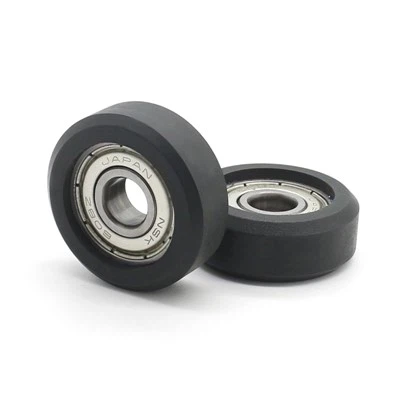
What is the chemical resistance of 163110 - 2RS?
As a supplier of 163110 - 2RS bearings, I often receive inquiries about the chemical resistance of these products. Chemical resistance is a crucial factor, especially in industries where bearings are exposed to various chemicals. In this blog, I will delve into the chemical resistance of 163110 - 2RS bearings, exploring the materials used, the influencing factors, and how it impacts their performance in different environments.
Materials and Their Chemical Resistance
The 163110 - 2RS bearings are typically made of high - quality steel, which forms the base material for the bearing rings and balls. The steel used in these bearings is carefully selected for its mechanical properties, including hardness, strength, and wear resistance. However, when it comes to chemical resistance, the type of steel and its surface treatment play a significant role.


Most commonly, the steel used in 163110 - 2RS bearings is a chromium - alloyed steel. Chromium provides a certain level of corrosion resistance by forming a passive oxide layer on the surface of the steel. This oxide layer acts as a barrier, preventing the underlying steel from reacting with oxygen and other chemicals in the environment. In mild chemical environments, such as those with low - level humidity and non - aggressive chemicals, this passive layer can effectively protect the bearing from corrosion.
The seals of the 163110 - 2RS bearings, the "2RS" part in the designation, are also important for chemical resistance. These seals are usually made of synthetic rubber materials, such as nitrile rubber (NBR) or fluorocarbon rubber (FKM). Nitrile rubber has good resistance to oils, greases, and some common solvents. It is cost - effective and widely used in general - purpose applications. On the other hand, fluorocarbon rubber offers excellent chemical resistance to a wide range of aggressive chemicals, including acids, bases, and many organic solvents. However, FKM is more expensive than NBR.
Influencing Factors on Chemical Resistance
Several factors can influence the chemical resistance of 163110 - 2RS bearings.
- Concentration of Chemicals: The higher the concentration of a chemical in the environment, the more likely it is to damage the bearing. For example, a low - concentration acid solution may not have a significant impact on the bearing, but a highly concentrated acid can quickly corrode the steel and degrade the seals.
- Temperature: Elevated temperatures can accelerate chemical reactions. When the bearing is exposed to chemicals at high temperatures, the rate of corrosion and degradation of the materials increases. For instance, in a hot chemical processing plant, the chemical resistance of the 163110 - 2RS bearings may be significantly reduced compared to a normal - temperature environment.
- Exposure Time: The longer the bearing is exposed to chemicals, the greater the potential for damage. Even in a relatively mild chemical environment, long - term exposure can lead to corrosion and wear of the bearing components.
Performance in Different Environments
- Industrial Chemical Environments: In industries such as chemical processing, pharmaceutical manufacturing, and food processing, bearings are often exposed to a variety of chemicals. In a chemical processing plant, where strong acids and bases are used, 163110 - 2RS bearings with FKM seals are more suitable. The FKM seals can withstand the aggressive chemicals, and the chromium - alloyed steel can provide a certain level of protection. However, regular inspection and maintenance are still required to ensure the long - term performance of the bearings.
- Marine Environments: Marine environments are highly corrosive due to the presence of saltwater. The salt in the water can cause corrosion of the steel components of the 163110 - 2RS bearings. Special coatings or surface treatments may be applied to the bearings to enhance their corrosion resistance. Additionally, the seals need to be able to prevent the ingress of saltwater. In some cases, stainless - steel bearings may be a better choice for marine applications.
- Automotive and Machinery Environments: In automotive and machinery applications, the bearings are mainly exposed to lubricants, coolants, and some contaminants. The 163110 - 2RS bearings with NBR seals are usually sufficient for these environments. The NBR seals can effectively retain the lubricant and prevent the entry of contaminants, while the steel components can withstand the normal wear and tear.
Comparison with Other Bearing Types
When considering the chemical resistance of 163110 - 2RS bearings, it is also interesting to compare them with other bearing types. For example, Gyroscope Bearing S608RS and Miniature Ball Bearings may have different chemical resistance characteristics.
The Gyroscope Bearing S608RS is designed for specific applications, such as gyroscopes, where high precision and stability are required. The materials and surface treatments used in these bearings may be optimized for their specific functions. In terms of chemical resistance, they may have similar or different properties compared to 163110 - 2RS bearings, depending on the design and the materials used.
Miniature Ball Bearings are often used in small - scale applications, such as electronics and precision instruments. These bearings may be more sensitive to chemical exposure due to their small size. The chemical resistance of miniature ball bearings may be enhanced through special coatings or the use of high - performance materials.
The 6800 Series Deep Groove Ball Bearings are another type of ball bearings. They are widely used in various industries. Similar to 163110 - 2RS bearings, their chemical resistance depends on the materials and surface treatments. However, the design and application requirements of the 6800 series may lead to different chemical resistance performance.
Conclusion and Call to Action
In conclusion, the chemical resistance of 163110 - 2RS bearings is determined by the materials used, including the steel and the seals, as well as the environmental factors such as chemical concentration, temperature, and exposure time. These bearings can perform well in a variety of environments, but proper selection and maintenance are essential to ensure their long - term performance.
If you are in need of 163110 - 2RS bearings or have any questions about their chemical resistance and application, please feel free to contact us for a detailed discussion. We are committed to providing high - quality products and professional technical support to meet your specific needs.
References
- "Bearing Handbook", SKF
- "Mechanical Engineering Materials", John Wiley & Sons