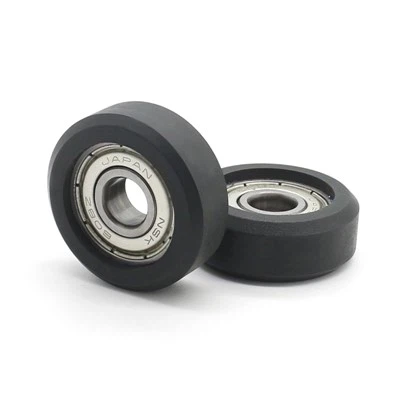
In the realm of industrial machinery and high - performance applications, bearings play a pivotal role. Among the various types of bearings available, ceramic bearings have emerged as a remarkable choice due to their unique properties. As a leading supplier of ceramic bearings, I am often asked about the load - carrying capacity of these specialized components. In this blog, I will delve into the factors that determine the load - carrying capacity of ceramic bearings, compare them with traditional bearings, and explore how they can be optimized for different applications.
Understanding Load - Carrying Capacity
The load - carrying capacity of a bearing refers to the maximum load that the bearing can support without experiencing excessive wear, deformation, or failure. This capacity is crucial as it directly impacts the performance and lifespan of the machinery in which the bearing is installed. There are two main types of loads that bearings need to withstand: radial loads, which act perpendicular to the axis of rotation, and axial loads, which act parallel to the axis of rotation.
Factors Influencing the Load - Carrying Capacity of Ceramic Bearings
Material Properties
The material used in ceramic bearings is one of the primary factors affecting their load - carrying capacity. The most common ceramics used in bearing manufacturing are silicon nitride, zirconia, and hybrid ceramics.


- Silicon Nitride Bearings: Silicon Nitride Bearings are known for their high hardness, excellent wear resistance, and low density. The hardness of silicon nitride makes it capable of withstanding high contact stresses, which directly contributes to its high load - carrying capacity. Additionally, its low density reduces the centrifugal forces acting on the bearing during high - speed operation, allowing it to handle loads more efficiently even at elevated speeds.
- Zirconia Bearings: Zirconia Bearings offer good fracture toughness and high corrosion resistance. Zirconia's ability to resist cracking under load enhances its load - carrying capacity, especially in applications where shock loads are present. However, its relatively higher density compared to silicon nitride may limit its performance in high - speed applications.
- Hybrid Ceramic Bearings: Hybrid Ceramic Bearings combine ceramic balls with steel races. This design takes advantage of the high hardness and low density of ceramic balls and the good ductility and cost - effectiveness of steel races. The load - carrying capacity of hybrid ceramic bearings is influenced by both the properties of the ceramic balls and the steel races.
Bearing Design
The design of the bearing also significantly affects its load - carrying capacity. The geometry of the bearing, such as the diameter of the balls, the width of the races, and the internal clearance, all play a role.
- Ball Diameter: A larger ball diameter can distribute the load over a larger area, increasing the load - carrying capacity. However, larger balls also increase the bearing's size and weight, which may not be suitable for all applications.
- Race Width: A wider race can provide more surface area for the balls to roll on, reducing the contact stress and improving the load - carrying capacity.
- Internal Clearance: The right amount of internal clearance is crucial. Too little clearance can cause excessive friction and heat generation under load, while too much clearance can lead to instability and reduced load - carrying capacity.
Lubrication
Proper lubrication is essential for maximizing the load - carrying capacity of ceramic bearings. Lubricants reduce friction and wear between the bearing components, allowing the bearing to operate smoothly under load.
- Oil Lubrication: Oil lubrication provides excellent cooling and lubrication properties. It can carry away heat generated during operation and form a thin film between the bearing surfaces, reducing friction and wear. In high - load applications, oil - lubricated ceramic bearings can often achieve higher load - carrying capacities.
- Grease Lubrication: Grease lubrication is more convenient and requires less maintenance. However, it may not be as effective as oil lubrication in high - load or high - speed applications. The type of grease used also affects the bearing's load - carrying capacity, as different greases have different viscosities and load - carrying capabilities.
Comparison with Traditional Bearings
When compared to traditional steel bearings, ceramic bearings generally offer several advantages in terms of load - carrying capacity.
Higher Hardness
Ceramic materials are much harder than steel, which means they can withstand higher contact stresses without deforming. This allows ceramic bearings to handle heavier loads without experiencing premature wear or failure.
Lower Density
The lower density of ceramic materials reduces the centrifugal forces acting on the bearing during high - speed operation. As a result, ceramic bearings can maintain their load - carrying capacity at higher speeds compared to steel bearings.
Corrosion Resistance
Ceramic bearings are highly resistant to corrosion, which is especially beneficial in applications where the bearing is exposed to harsh environments. In contrast, steel bearings are more prone to corrosion, which can reduce their load - carrying capacity over time.
Optimizing Load - Carrying Capacity for Different Applications
To ensure that ceramic bearings perform optimally in different applications, it is important to select the right type of bearing and optimize its operating conditions.
High - Speed Applications
In high - speed applications, such as machine tool spindles and turbochargers, silicon nitride bearings or hybrid ceramic bearings are often the best choice. Their low density and high hardness allow them to maintain their load - carrying capacity at high rotational speeds. Additionally, proper lubrication and precise bearing fitting are crucial to minimize heat generation and vibration.
High - Load Applications
For applications that require high load - carrying capacity, such as heavy - duty machinery and construction equipment, bearings with larger ball diameters and wider races are preferred. Zirconia bearings may also be suitable due to their good fracture toughness. In these applications, oil lubrication is often recommended to ensure adequate cooling and lubrication under heavy loads.
Corrosive Environments
In corrosive environments, such as the chemical and food processing industries, the corrosion resistance of ceramic bearings becomes a major advantage. Hybrid ceramic bearings or all - ceramic bearings can be used to ensure long - term performance and maintain their load - carrying capacity in the presence of corrosive substances.
Conclusion
The load - carrying capacity of ceramic bearings is influenced by a variety of factors, including material properties, bearing design, and lubrication. As a ceramic bearings supplier, I understand the importance of selecting the right bearing for the specific application to ensure optimal performance and longevity. Whether it is a high - speed, high - load, or corrosive environment, ceramic bearings offer unique advantages over traditional bearings.
If you are interested in exploring the potential of ceramic bearings for your application or have any questions about load - carrying capacity, I encourage you to engage in a procurement discussion with me. We can work together to find the best solution for your specific needs.
References
- Harris, T. A., & Kotzalas, M. N. (2007). Rolling Bearing Analysis. Wiley.
- Burke, J. J., & Higgins, R. G. (1995). Ceramics for High - Performance Applications. Noyes Publications.
- Eschmann, P., Hasbargen, K.-H., & Weigand, H. (1998). Ball and Roller Bearings: Theory, Design, and Application. Wiley.