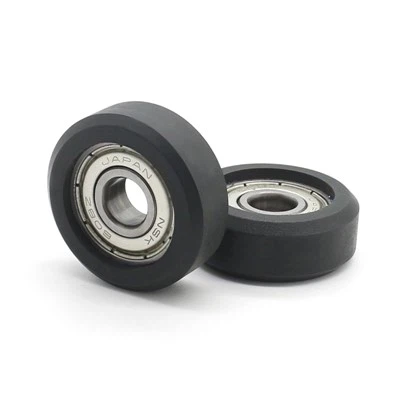
Aircraft bearings are critical components in the aviation industry, playing a pivotal role in ensuring the smooth and safe operation of various aircraft systems. As an aircraft bearings supplier, I understand the importance of these components and the diverse range of bearings available to meet the specific needs of different aircraft applications. In this blog post, I will explore the different types of aircraft bearings, their functions, and the key considerations when selecting the right bearing for an aircraft.
Ball Bearings
Ball bearings are one of the most common types of aircraft bearings. They consist of an inner and outer race, with a series of balls between them. The balls reduce friction and allow for smooth rotation, making them ideal for applications where high-speed rotation and low friction are required. Ball bearings are used in a variety of aircraft systems, including engines, landing gear, and control surfaces.
- Deep Groove Ball Bearings: These are the most widely used type of ball bearings in aircraft. They have a deep groove in both the inner and outer races, which allows the balls to roll smoothly and provides high radial and axial load capacity. Deep groove ball bearings are suitable for a wide range of applications, from small, high-speed components to large, heavy-duty systems. For example, Miniature Ball Bearings are often used in aircraft instruments and control systems, where space is limited and high precision is required.
- Angular Contact Ball Bearings: Angular contact ball bearings are designed to handle both radial and axial loads. They have a contact angle between the balls and the races, which allows them to support loads in a specific direction. These bearings are commonly used in aircraft engines, where they help to support the axial loads generated by the turbine and compressor.
- Self-Aligning Ball Bearings: Self-aligning ball bearings are able to compensate for misalignment between the shaft and the housing. They have a spherical outer race, which allows the inner race and balls to self-align. This makes them suitable for applications where there may be some degree of misalignment, such as in aircraft landing gear.
Roller Bearings
Roller bearings are another important type of aircraft bearing. They use cylindrical, tapered, or spherical rollers instead of balls to reduce friction and support loads. Roller bearings are capable of handling higher loads than ball bearings and are often used in applications where heavy loads and high radial forces are present.
- Cylindrical Roller Bearings: Cylindrical roller bearings have cylindrical rollers that are in line contact with the races. They provide high radial load capacity and are suitable for applications where high-speed rotation and heavy radial loads are required. Cylindrical roller bearings are commonly used in aircraft engines, gearboxes, and other high-load components.
- Tapered Roller Bearings: Tapered roller bearings have tapered rollers that are designed to handle both radial and axial loads. They are often used in aircraft landing gear, where they help to support the weight of the aircraft and the forces generated during takeoff and landing. Tapered roller bearings can be adjusted to control the preload and ensure proper operation.
- Spherical Roller Bearings: Spherical roller bearings are similar to self-aligning ball bearings, but they use spherical rollers instead of balls. They are able to compensate for misalignment and provide high radial and axial load capacity. Spherical roller bearings are commonly used in aircraft engines and other applications where there may be some degree of misalignment and heavy loads.
Thrust Bearings
Thrust bearings are designed to handle axial loads, which are forces that act parallel to the shaft. They are used in applications where there is a need to support axial loads, such as in aircraft engines, propellers, and landing gear.


- Ball Thrust Bearings: Ball thrust bearings use balls to support axial loads. They are suitable for applications where low friction and high-speed rotation are required. Ball thrust bearings are commonly used in aircraft engines, where they help to support the axial loads generated by the turbine and compressor.
- Roller Thrust Bearings: Roller thrust bearings use rollers to support axial loads. They are capable of handling higher loads than ball thrust bearings and are often used in applications where heavy axial loads are present. Roller thrust bearings are commonly used in aircraft landing gear, where they help to support the weight of the aircraft and the forces generated during takeoff and landing.
Needle Bearings
Needle bearings are a type of roller bearing that use long, thin rollers called needles. They have a high load capacity and a small cross-sectional area, making them suitable for applications where space is limited and high loads need to be supported. Needle bearings are commonly used in aircraft engines, gearboxes, and other high-load components.
Specialized Bearings
In addition to the standard types of aircraft bearings, there are also specialized bearings that are designed for specific applications. These bearings may have unique features or materials to meet the specific requirements of the aircraft system.
- Ceramic Bearings: Ceramic bearings are made from ceramic materials, such as silicon nitride or zirconia. They have several advantages over traditional steel bearings, including lower weight, higher hardness, and better corrosion resistance. Ceramic bearings are often used in high-performance aircraft applications, where weight reduction and improved performance are critical.
- Magnetic Bearings: Magnetic bearings use magnetic fields to support the shaft and eliminate the need for physical contact between the bearing and the shaft. They offer several advantages, including high-speed operation, low friction, and no lubrication requirements. Magnetic bearings are commonly used in aircraft engines and other applications where high-speed rotation and low maintenance are required.
Key Considerations When Selecting Aircraft Bearings
When selecting aircraft bearings, there are several key considerations that need to be taken into account. These include:
- Load Capacity: The bearing must be able to support the loads that will be applied to it during operation. This includes both radial and axial loads, as well as any dynamic loads that may be present.
- Speed: The bearing must be able to operate at the required speed without overheating or experiencing excessive wear.
- Lubrication: Proper lubrication is essential for the smooth operation and long life of aircraft bearings. The type of lubrication required will depend on the bearing type, application, and operating conditions.
- Material: The material of the bearing must be suitable for the application and operating conditions. This includes factors such as corrosion resistance, hardness, and temperature resistance.
- Size and Fit: The bearing must be the correct size and fit for the application. This includes the inner and outer diameters, width, and clearance.
As an aircraft bearings supplier, I have the expertise and experience to help you select the right bearing for your aircraft application. Whether you need a standard bearing or a specialized bearing, I can provide you with the high-quality products and services you need to ensure the safe and reliable operation of your aircraft.
If you are interested in learning more about our aircraft bearings or would like to discuss your specific requirements, please contact us. We look forward to working with you to meet your aircraft bearing needs.
References
- "Aircraft Bearing Handbook" - A comprehensive guide to aircraft bearings, including types, applications, and selection criteria.
- "Aviation Maintenance Technician Handbook - Airframe" - Provides detailed information on the maintenance and repair of aircraft bearings.
- "Rolling Bearing Analysis" - A technical reference book on the design, analysis, and performance of rolling bearings.