


Hey there! As a supplier of plastic ball bearings, I often get asked about how to ensure the proper alignment of these nifty little components. It's a crucial aspect that can significantly impact the performance and lifespan of your equipment. So, let's dive right in and explore some key tips and tricks.
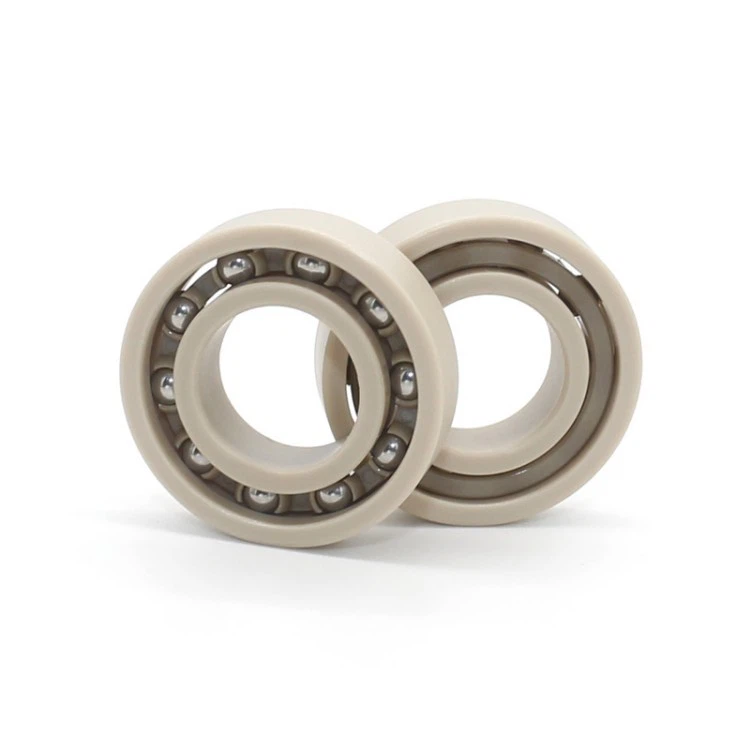
First off, understanding the basics of plastic ball bearings is essential. We offer a variety of types, including Peek Bearings, Nylon Bearings, and POM Plastic Bearings. Each type has its own unique properties and applications, but the general principles of alignment apply across the board.
Pre - installation Checks
Before you even think about installing the plastic ball bearings, you need to do a thorough inspection. Check the bearing housing and the shaft for any signs of damage, such as scratches, dents, or corrosion. A damaged housing or shaft can prevent the bearing from sitting properly and lead to misalignment.
Measure the dimensions of the housing and the shaft. They should match the specifications of the bearing you're using. Even a slight deviation can cause problems. For example, if the shaft is too large, it can put excessive pressure on the bearing, leading to premature wear. On the other hand, if it's too small, the bearing may not be held securely, resulting in wobbling and misalignment.
Installation Process
When it comes to installing the plastic ball bearings, take your time. Don't rush the process. Use the right tools for the job. A press - fit installation is often the best method for plastic ball bearings. This ensures that the bearing is seated evenly and firmly in the housing.
Make sure to align the bearing with the shaft and the housing precisely. You can use alignment tools, such as laser alignment devices, to get an accurate reading. These tools can help you detect even the slightest misalignment and allow you to make adjustments before it's too late.
During the installation, apply a small amount of lubricant to the bearing. This not only helps with the installation process but also reduces friction and wear during operation. However, be careful not to over - lubricate, as too much lubricant can attract dirt and debris, which can also cause misalignment and damage to the bearing.
Mounting Considerations
The way you mount the plastic ball bearings can also have a big impact on their alignment. If you're mounting multiple bearings, make sure they are all in the same plane. Any deviation from this can cause uneven loading on the bearings, leading to misalignment and premature failure.
Use proper mounting hardware, such as bolts and nuts, to secure the bearing housing. Make sure they are tightened to the correct torque specifications. Over - tightening can distort the housing and cause misalignment, while under - tightening can allow the housing to move, also leading to misalignment.

Operational Checks
Once the plastic ball bearings are installed and the equipment is up and running, it's important to perform regular operational checks. Listen for any unusual noises, such as grinding or squealing. These can be signs of misalignment or other problems.
Check the temperature of the bearings. If they are running too hot, it could indicate that they are misaligned or overloaded. You can use an infrared thermometer to get an accurate reading of the bearing temperature.
Inspect the vibration levels of the equipment. Excessive vibration can be a sign of misalignment. You can use a vibration analyzer to measure the vibration levels and identify any issues.
Maintenance and Adjustment
Regular maintenance is key to ensuring the proper alignment of plastic ball bearings. Clean the bearings and the housing regularly to remove any dirt, debris, or contaminants. This helps to prevent wear and tear and keeps the bearings running smoothly.
If you detect any signs of misalignment during your operational checks, don't hesitate to make adjustments. You may need to loosen the mounting hardware, realign the bearing, and then retighten the hardware to the correct torque. In some cases, you may need to replace the bearing if it's severely damaged or worn.
Importance of Proper Alignment
Proper alignment of plastic ball bearings is not just about making the equipment run smoothly. It also has a significant impact on the overall efficiency and lifespan of the equipment. Misaligned bearings can cause increased friction, which leads to higher energy consumption. This means you'll end up spending more on electricity or fuel to run your equipment.
In addition, misaligned bearings are more likely to fail prematurely. This can result in costly downtime for your business as you have to stop production to replace the bearings. By ensuring proper alignment, you can extend the lifespan of your bearings and reduce the frequency of replacements, saving you both time and money in the long run.
Conclusion
Ensuring the proper alignment of plastic ball bearings is a multi - step process that requires attention to detail and regular maintenance. From pre - installation checks to operational monitoring and adjustment, every step plays a crucial role in keeping your bearings in top condition.
If you're in the market for high - quality plastic ball bearings or need more advice on alignment and maintenance, don't hesitate to reach out. We're here to help you make the most of your equipment and ensure its long - term performance.
References
- "Bearing Installation and Alignment Handbook"
- "Plastic Bearings: Design and Application Guide"


