


Choosing the right size of a plastic bearing housing is a crucial decision that can significantly impact the performance, reliability, and longevity of your mechanical systems. As a plastic bearing housing supplier, I understand the challenges and considerations involved in this process. In this blog post, I will share some insights and guidelines to help you make an informed choice.
Understanding the Basics of Plastic Bearing Housings
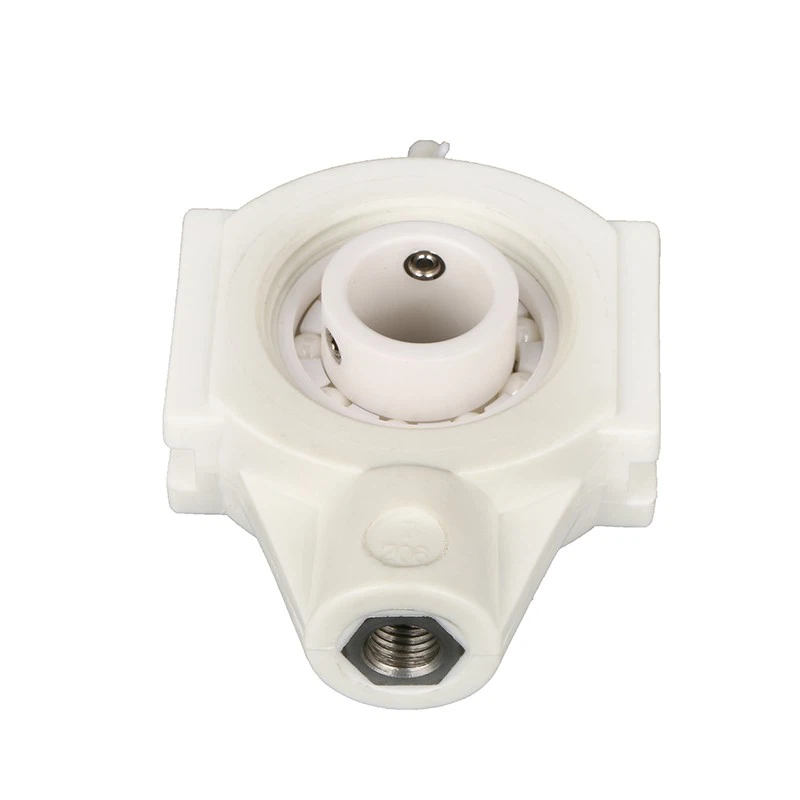
Before delving into the sizing process, it's essential to have a basic understanding of plastic bearing housings. These housings are designed to support and protect bearings, ensuring smooth rotation and reducing friction. They are commonly used in various industries, including automotive, manufacturing, food processing, and medical equipment.
Plastic bearing housings offer several advantages over traditional metal housings. They are lightweight, corrosion-resistant, and have excellent electrical insulation properties. Additionally, they are often more cost-effective and easier to install. However, they also have some limitations, such as lower load-carrying capacity and reduced temperature resistance compared to metal housings.
Factors to Consider When Choosing the Right Size
When selecting the appropriate size of a plastic bearing housing, several factors need to be taken into account. These factors include:
1. Bearing Size
The size of the bearing is the primary determinant of the housing size. The housing must be compatible with the outer diameter (OD), inner diameter (ID), and width of the bearing. It's crucial to refer to the bearing manufacturer's specifications to ensure a proper fit. Using a housing that is too small or too large can lead to premature bearing failure, increased noise, and reduced performance.
2. Load Requirements
The load requirements of the application play a significant role in determining the housing size. The housing must be able to withstand the radial and axial loads exerted by the bearing. Consider the static and dynamic loads, as well as any shock or vibration that the system may experience. Higher loads typically require larger and more robust housings.
3. Speed and RPM
The operating speed of the bearing is another important factor. Higher speeds generate more heat and require housings with better heat dissipation properties. Additionally, the housing must be able to maintain its dimensional stability at high speeds to prevent excessive wear and damage.

4. Environmental Conditions
The environmental conditions in which the bearing housing will operate can also influence the size and material selection. Factors such as temperature, humidity, dust, and chemical exposure need to be considered. For example, in high-temperature applications, a housing with a higher heat resistance may be required. In corrosive environments, a plastic material with excellent chemical resistance is essential.
5. Space Constraints
The available space in the application is a practical consideration. You need to ensure that the housing can fit within the designated area without interfering with other components. If space is limited, you may need to choose a compact or low-profile housing design.
Sizing Guidelines
To help you choose the right size of a plastic bearing housing, here are some general sizing guidelines:
1. Refer to Manufacturer's Specifications
Always refer to the bearing manufacturer's specifications for the recommended housing size. These specifications provide detailed information about the bearing dimensions and the corresponding housing requirements. Following these guidelines will ensure a proper fit and optimal performance.
2. Calculate the Load Capacity
Determine the radial and axial loads that the bearing will be subjected to. Use engineering calculations or consult with a mechanical engineer to accurately estimate the load requirements. Once you have the load values, you can select a housing with a sufficient load capacity.
3. Consider the Speed and RPM
Check the bearing manufacturer's speed ratings and ensure that the housing can accommodate the operating speed. If the speed is high, consider using a housing with features such as improved lubrication channels or heat sinks to enhance heat dissipation.
4. Evaluate the Environmental Conditions
Assess the environmental conditions in which the housing will operate. Choose a plastic material that is suitable for the temperature range, humidity levels, and any chemical exposure. Some plastic materials offer enhanced resistance to specific chemicals or extreme temperatures.
5. Measure the Available Space
Measure the available space in the application and ensure that the housing can fit comfortably. Consider any clearance requirements for installation and maintenance. If space is limited, look for housings with a compact design or custom-made solutions.
Our Product Offerings
As a plastic bearing housing supplier, we offer a wide range of products to meet various application requirements. Our product portfolio includes Plastic Nylon Stainless Steel Bearing Seat and IP54 with Composite Bearing Units.
Our plastic bearing housings are made from high-quality materials and are designed to provide reliable performance in demanding environments. They are available in different sizes, shapes, and configurations to suit your specific needs. Whether you need a standard housing or a custom solution, we can help you find the right product.
Conclusion
Choosing the right size of a plastic bearing housing is a critical step in ensuring the optimal performance and reliability of your mechanical systems. By considering factors such as bearing size, load requirements, speed, environmental conditions, and space constraints, you can make an informed decision. Our company, as a plastic bearing housing supplier, is committed to providing high-quality products and excellent customer service. If you have any questions or need assistance in selecting the right housing for your application, please feel free to contact us for a consultation. We look forward to working with you to meet your bearing housing needs.
References
- Bearing Manufacturer's Catalogs
- Mechanical Engineering Handbooks
- Industry Standards and Guidelines


