


Are plastic ball bearings resistant to abrasion?
As a supplier of plastic ball bearings, I often get asked about the abrasion resistance of our products. Abrasion resistance is a crucial factor in determining the longevity and performance of ball bearings, especially in applications where they are subjected to high levels of friction and wear. In this blog post, I'll delve into the world of plastic ball bearings and explore their resistance to abrasion.
Understanding Abrasion and Its Impact on Ball Bearings
Abrasion is the process of wearing away a material's surface due to mechanical action, typically caused by friction between two surfaces. In the context of ball bearings, abrasion can occur when the balls roll against the raceways or when the bearing comes into contact with external particles or contaminants. Over time, abrasion can lead to a reduction in the bearing's dimensional accuracy, increased noise and vibration, and ultimately, failure.
The impact of abrasion on ball bearings can be significant, especially in high - stress applications. For example, in industrial machinery, automotive engines, or aerospace equipment, a worn - out bearing can cause costly downtime and repairs. Therefore, choosing ball bearings with high abrasion resistance is essential for ensuring the reliability and efficiency of these systems.
Types of Plastic Ball Bearings and Their Abrasion Resistance
Peek Bearings
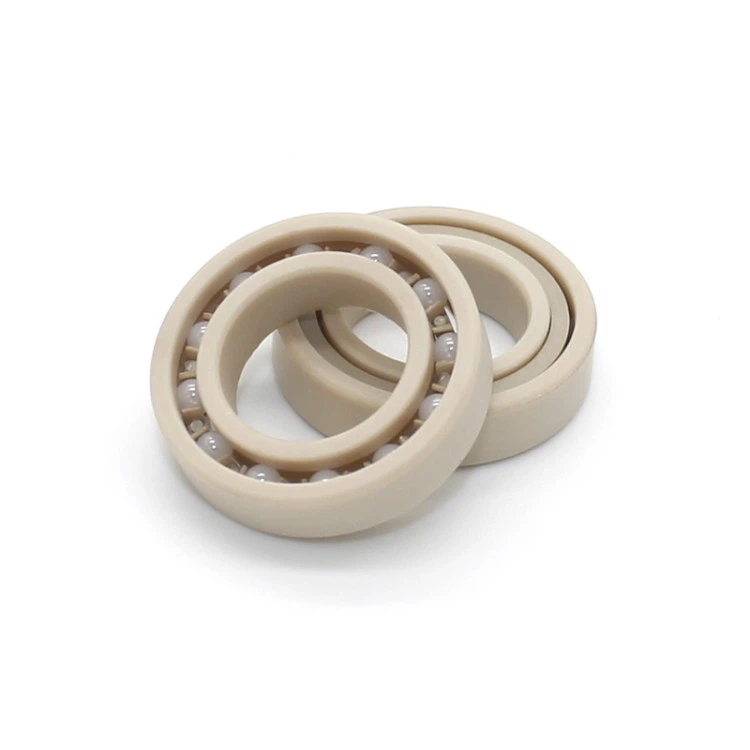
Peek (Polyetheretherketone) is a high - performance thermoplastic known for its excellent mechanical properties, including high strength, stiffness, and chemical resistance. Peek Bearings are particularly well - suited for applications where abrasion resistance is a concern.
Peek has a low coefficient of friction, which means that it generates less heat and wear when in contact with other surfaces. This property allows Peek bearings to operate smoothly even under high loads and speeds, reducing the risk of abrasion. Additionally, Peek is highly resistant to chemicals and solvents, which can further protect the bearing from damage caused by corrosive substances that might otherwise accelerate abrasion.
In laboratory tests, Peek bearings have demonstrated superior abrasion resistance compared to many other materials. They can withstand extended periods of operation in harsh environments, such as those with high levels of dust, dirt, or moisture, without significant wear.
POM Plastic Bearings
POM (Polyoxymethylene), also known as acetal, is another popular material for plastic ball bearings. POM Plastic Bearings offer good abrasion resistance, along with excellent dimensional stability and low friction.
POM has a self - lubricating property, which helps to reduce the friction between the balls and the raceways. This self - lubrication feature not only improves the bearing's abrasion resistance but also extends its service life. POM bearings are commonly used in applications where low noise and smooth operation are required, such as in consumer electronics and office equipment.
However, it's important to note that POM's abrasion resistance may be affected by factors such as temperature and the presence of certain chemicals. In high - temperature environments, POM may experience a decrease in its mechanical properties, which could potentially lead to increased abrasion.
Nylon Bearings
Nylon is a widely used engineering plastic that offers a good balance of mechanical properties, including abrasion resistance. Nylon Bearings are known for their toughness, flexibility, and ability to absorb shock.
Nylon has a relatively high resistance to abrasion, especially when compared to metals in some applications. It can withstand repeated impacts and sliding contact without significant wear. Nylon bearings are often used in applications where cost - effectiveness and lightweight design are important, such as in conveyor systems and agricultural machinery.
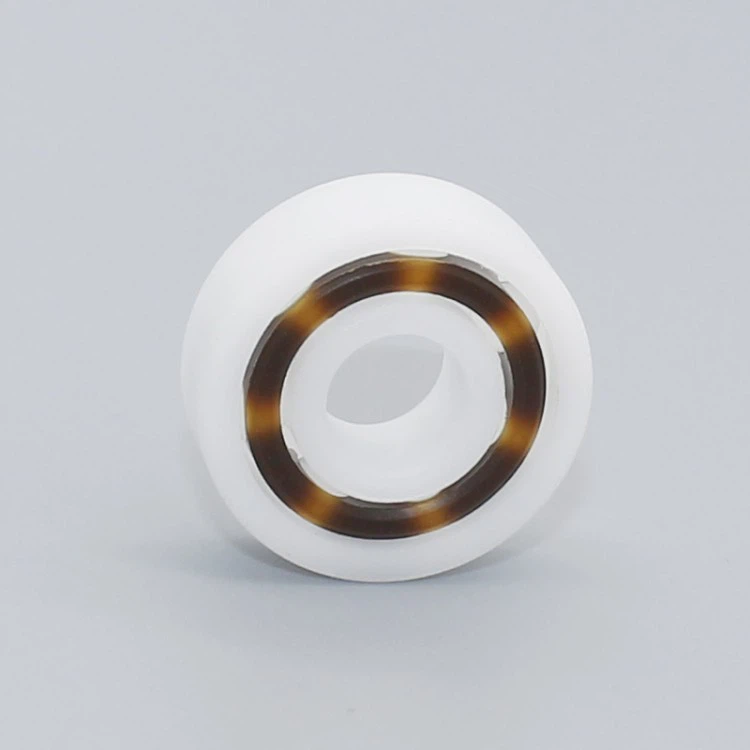
However, nylon's abrasion resistance can be influenced by factors such as moisture absorption. When nylon absorbs moisture, its mechanical properties can change, which may affect its abrasion resistance. Therefore, in applications where the bearing is exposed to high humidity or water, proper precautions need to be taken to ensure its performance.
Factors Affecting the Abrasion Resistance of Plastic Ball Bearings
Load and Speed
The load and speed at which a plastic ball bearing operates have a significant impact on its abrasion resistance. Higher loads and speeds increase the friction between the balls and the raceways, which can lead to more rapid wear. When designing a system, it's important to select a plastic ball bearing that is rated for the specific load and speed requirements of the application.
Lubrication
Lubrication plays a crucial role in reducing abrasion in plastic ball bearings. Proper lubrication can reduce friction, dissipate heat, and prevent the build - up of debris. While some plastic materials, such as POM, have self - lubricating properties, in many cases, additional lubrication may be required. The type of lubricant used should be compatible with the plastic material to avoid any chemical reactions that could degrade the bearing.
Environmental Conditions
The environment in which the plastic ball bearing operates can also affect its abrasion resistance. Factors such as temperature, humidity, dust, and chemicals can all have an impact on the bearing's performance. For example, in high - temperature environments, the plastic material may soften, reducing its abrasion resistance. In dusty environments, the presence of abrasive particles can accelerate wear.
Testing and Quality Assurance
As a plastic ball bearing supplier, we understand the importance of ensuring the abrasion resistance of our products. We conduct a series of tests to evaluate the performance of our bearings under different conditions.
One of the common tests is the wear test, where the bearing is subjected to a controlled amount of friction and load for a specified period. The amount of wear is then measured to determine the bearing's abrasion resistance. We also perform chemical analysis to ensure that the plastic material is of high quality and free from any contaminants that could affect its performance.
In addition to in - house testing, we also comply with international standards and certifications to guarantee the quality of our products. This gives our customers the confidence that they are purchasing plastic ball bearings that meet the highest industry standards.
Conclusion and Call to Action
In conclusion, plastic ball bearings can offer excellent abrasion resistance, depending on the type of plastic material used and the operating conditions. Peek bearings, POM plastic bearings, and nylon bearings each have their own unique properties that make them suitable for different applications.
If you are in the market for plastic ball bearings and are concerned about abrasion resistance, we are here to help. Our team of experts can assist you in selecting the right type of plastic ball bearing for your specific needs. Whether you need high - performance Peek bearings for a demanding industrial application or cost - effective nylon bearings for a consumer product, we have the solution.
Contact us today to start a discussion about your plastic ball bearing requirements. We look forward to working with you to provide the best - in - class products and services.
References
- "Engineering Plastics Handbook" by John A. Brydson
- "Plastic Materials" by J. A. Brydson
- Industry reports on plastic ball bearing performance and applications


