


Hey there! As a cam follower bearing supplier, I've seen firsthand how crucial it is to pick the right cam follower bearing for your specific needs. In this blog, I'll share some tips and insights to help you make an informed decision.
First off, let's talk about what cam follower bearings are and what they do. Cam follower bearings, also known as track followers, are specialized bearings designed to follow a cam or track. They're used in a wide range of applications, from automotive engines and industrial machinery to robotics and automation systems. These bearings need to be able to handle high loads, resist wear and tear, and operate smoothly and efficiently.
Now, let's dive into the factors you should consider when choosing a cam follower bearing.
Load Capacity
One of the most important things to think about is the load capacity of the bearing. You need to know how much weight and force the bearing will need to support. This includes both static loads (when the bearing is stationary) and dynamic loads (when it's in motion). Overloading a bearing can lead to premature failure, so it's crucial to choose a bearing with a load capacity that matches your application's requirements.
For example, if you're using the cam follower in a heavy-duty industrial machine that experiences high shock loads, you'll need a bearing with a high load rating. On the other hand, if it's for a lighter application like a small robotic arm, a bearing with a lower load capacity might be sufficient.
Speed
The operating speed of the cam follower is another key factor. Different bearings are designed to handle different speeds. If you run a bearing at a speed higher than its recommended limit, it can generate excessive heat, which can damage the bearing and reduce its lifespan.
You need to determine the maximum rotational speed of the cam follower in your application. Then, choose a bearing that is rated for that speed or higher. Some bearings are specifically designed for high-speed applications, while others are better suited for low-speed operations.
Mounting Style
There are several different mounting styles available for cam follower bearings, and the right one for you depends on your application. The most common mounting styles include stud-mounted, yoke-mounted, and clevis-mounted.
- Stud-mounted: These are easy to install and are commonly used in applications where space is limited. They're attached to the machine using a stud, which makes them a popular choice for many industrial and automotive applications.
- Yoke-mounted: Yoke-mounted cam followers are more versatile and can be adjusted to fit different applications. They're often used in applications where the bearing needs to be able to pivot or move in multiple directions.
- Clevis-mounted: Clevis-mounted bearings are similar to yoke-mounted ones but are typically used in applications where the bearing needs to be able to withstand high loads and shocks.
Material and Surface Finish
The material and surface finish of the cam follower bearing can have a significant impact on its performance and durability. Most cam follower bearings are made from high-quality steel, but there are also other materials available, such as stainless steel for applications where corrosion resistance is important.
The surface finish of the bearing can also affect its performance. A smooth surface finish can reduce friction and wear, while a rough surface can cause more friction and increase the risk of damage. Some bearings also have special coatings or treatments to improve their performance, such as anti-corrosion coatings or low-friction coatings.
Sealing and Lubrication
Proper sealing and lubrication are essential for the long-term performance of cam follower bearings. Seals help to keep contaminants out of the bearing, while lubrication reduces friction and wear.
There are different types of seals available, including rubber seals and metal shields. Rubber seals provide better protection against contaminants but can also increase friction. Metal shields are less effective at sealing but have lower friction.
Lubrication is also crucial. You need to choose the right type of lubricant for your application, taking into account factors such as temperature, speed, and load. Some bearings come pre-lubricated, while others require regular lubrication during operation.
Application-Specific Requirements
Finally, you need to consider any application-specific requirements that your cam follower bearing needs to meet. For example, if you're using the bearing in a food processing application, it needs to be made from food-grade materials and be easy to clean. If it's for a high-temperature application, you'll need a bearing that can withstand the heat without losing its performance.
Now that you know the key factors to consider when choosing a cam follower bearing, let's take a look at some of our popular products.
We offer a wide range of cam follower bearings, including the Cf10 Cam Follower and the Cf12 Cam Follower. These bearings are designed to meet the highest standards of quality and performance. They're made from high-quality materials, have excellent load capacity, and are available in different mounting styles to suit your needs.
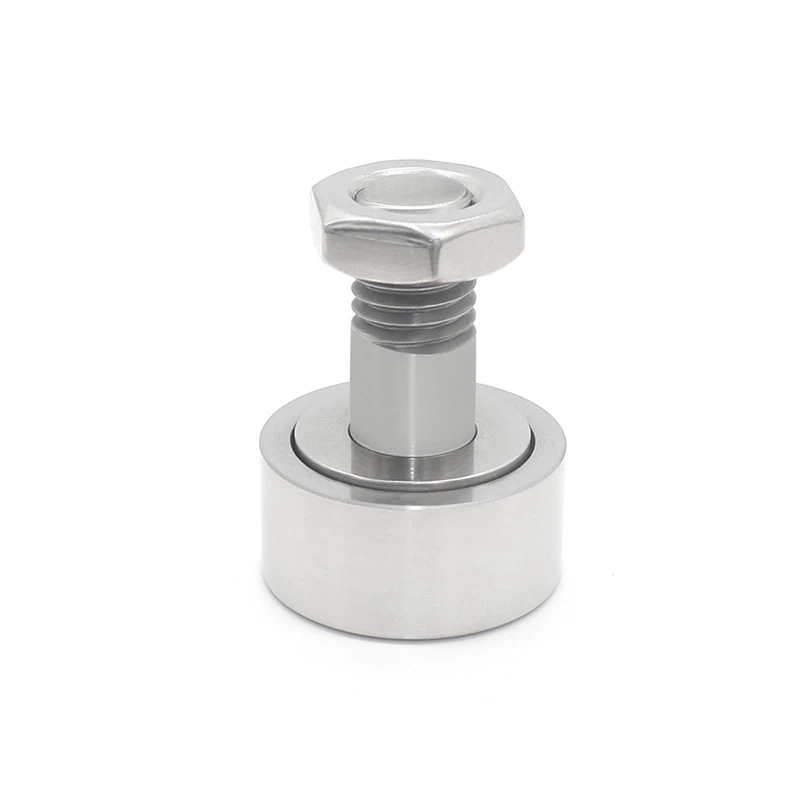

If you're still not sure which cam follower bearing is right for you, don't worry! Our team of experts is here to help. We can provide you with personalized advice and recommendations based on your specific application requirements. Just reach out to us, and we'll work with you to find the perfect solution.
In conclusion, choosing the right cam follower bearing is essential for the performance and reliability of your equipment. By considering factors such as load capacity, speed, mounting style, material, sealing, and application-specific requirements, you can make an informed decision. And if you need any help along the way, we're here to support you. So, don't hesitate to get in touch with us to discuss your procurement needs and start the conversation.
References
- Machinery's Handbook, 31st Edition
- Bearing Engineering Handbook


