


When it comes to ball bearings, one of the most debated topics in the industry is whether plastic ball bearings are more cost - effective than metal ones. As a supplier of plastic ball bearings, I have seen firsthand the various factors at play in this comparison. In this blog, I will delve into the cost - effectiveness of plastic ball bearings relative to their metal counterparts, examining multiple aspects such as initial cost, maintenance, and long - term performance.
Initial Cost
The first and most obvious aspect to consider is the initial purchase price. Metal ball bearings, especially those made from high - quality steel or other alloys, can be quite expensive. The raw materials for metal bearings are costly, and the manufacturing processes, which often involve precision machining and heat - treating, add to the overall cost.
On the other hand, plastic ball bearings are generally much more affordable in terms of initial cost. The raw materials for plastics such as PEEK, POM, and nylon are less expensive than metals. For instance, Peek Bearings are made from polyether ether ketone, a high - performance plastic. Although PEEK is relatively more expensive among plastics, it is still far cheaper than many high - grade metals used in bearings. Similarly, POM Plastic Bearings and Nylon Bearings are made from polyoxymethylene and nylon respectively, both of which are cost - effective materials. The manufacturing processes for plastic bearings are also often simpler and more efficient, reducing production costs and allowing for a lower price point.
Maintenance Costs
Maintenance is another crucial factor in determining cost - effectiveness. Metal ball bearings require regular maintenance to ensure optimal performance. They are prone to rust and corrosion, especially in harsh environments. To prevent this, lubrication is essential, and the cost of lubricants, as well as the labor involved in applying them, can add up over time. Additionally, metal bearings may need to be replaced more frequently if they are exposed to high levels of moisture or chemicals.
Plastic ball bearings, however, have a significant advantage in terms of maintenance. They are inherently resistant to corrosion and do not require lubrication in many applications. This not only eliminates the cost of lubricants but also reduces the labor associated with maintenance. For example, in food processing industries where cleanliness is of utmost importance, plastic bearings can be used without the risk of lubricant contamination. Their self - lubricating properties, in the case of some plastics, mean that they can operate smoothly for extended periods without the need for additional maintenance.
Performance and Long - Term Cost
While the initial and maintenance costs are important, long - term performance also plays a vital role in determining cost - effectiveness. Metal bearings are known for their high load - carrying capacity and durability in high - speed and high - temperature applications. In some heavy - duty industrial settings, such as in large machinery and automotive engines, metal bearings are still the preferred choice. However, in many other applications, plastic bearings can offer comparable performance at a lower cost.
Plastic ball bearings have excellent chemical resistance, which makes them suitable for use in environments where metal bearings would quickly degrade. For example, in the chemical processing industry, plastic bearings can withstand exposure to various chemicals without significant damage. They also have a lower coefficient of friction in some cases, which can result in energy savings over time. This can be particularly beneficial in applications where energy efficiency is a priority, such as in electric motors.
In terms of noise and vibration, plastic bearings can also offer advantages. They tend to operate more quietly than metal bearings, which can be an important consideration in applications where noise reduction is required, such as in office equipment and consumer electronics.
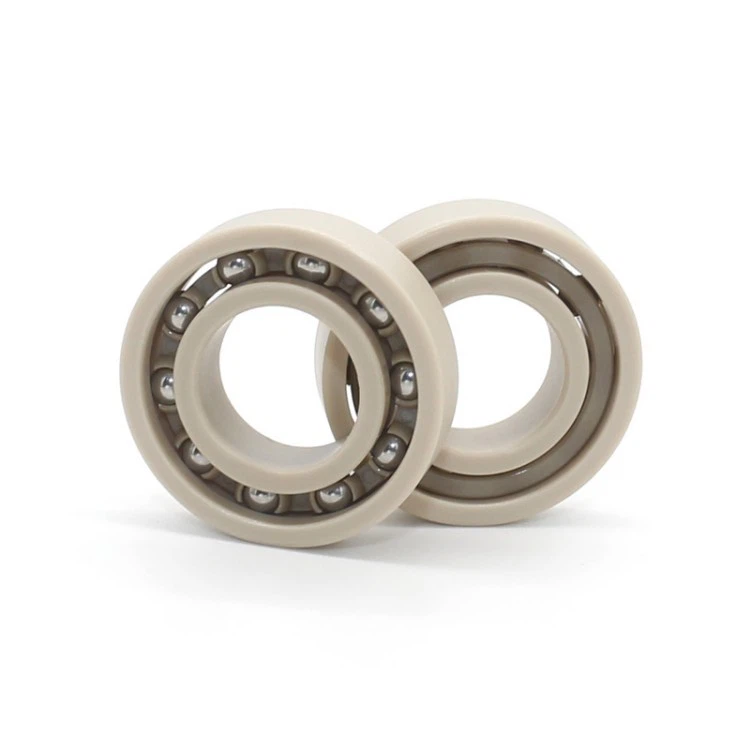
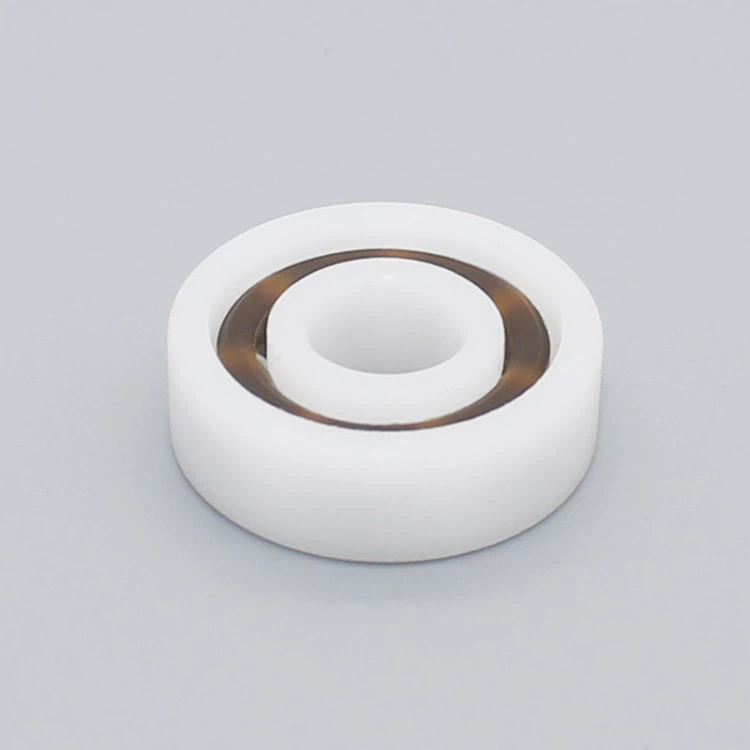
When considering the long - term cost, it is essential to take into account the lifespan of the bearings. While metal bearings may last longer in some extreme conditions, plastic bearings can have a sufficient lifespan for many applications. The lower initial and maintenance costs of plastic bearings often mean that they can be more cost - effective over the long run, especially in applications where the operating conditions are not overly demanding.
Environmental Considerations
In today's world, environmental considerations are also becoming increasingly important in determining cost - effectiveness. Plastic ball bearings are generally more environmentally friendly in terms of production. The manufacturing of plastic bearings consumes less energy compared to metal bearings, and the raw materials for plastics can often be recycled. This not only reduces the environmental impact but can also lead to cost savings in the long run as recycling can lower the cost of raw materials.
Conclusion
In conclusion, whether plastic ball bearings are more cost - effective than metal ones depends on the specific application. In many cases, especially in applications where the operating conditions are not extremely harsh, plastic ball bearings offer significant cost advantages in terms of initial cost, maintenance, and long - term performance. Their resistance to corrosion, low maintenance requirements, and energy - saving potential make them a viable alternative to metal bearings.
If you are looking for a cost - effective solution for your bearing needs, I encourage you to consider plastic ball bearings. Our company offers a wide range of high - quality plastic ball bearings, including Peek Bearings, POM Plastic Bearings, and Nylon Bearings. We are committed to providing our customers with the best products and services. If you are interested in learning more or discussing your specific requirements, please feel free to reach out to us for a detailed consultation.
References
- "Engineering Plastics Handbook" edited by Brydson, J. A.
- "Bearing Technology Handbook" by Harris, T. A.
- Industry reports on ball bearing market trends and cost analysis.


