


In the dynamic world of mechanical engineering, the choice of bearings can significantly impact the performance and reliability of a system, especially in applications involving high acceleration. As a supplier of plastic bearings, I've witnessed firsthand the growing interest in these components for various high - acceleration scenarios. This blog will explore whether plastic bearings can be effectively used in high - acceleration applications, delving into their properties, advantages, limitations, and real - world case studies.
Properties of Plastic Bearings
Plastic bearings are made from a variety of polymers, each with its own set of characteristics. Some of the most common types include nylon, PEEK (polyetheretherketone), and POM (polyoxymethylene).
Nylon Bearings are known for their excellent wear resistance, low friction, and self - lubricating properties. Nylon has a relatively high strength - to - weight ratio, which makes it suitable for applications where weight reduction is a priority. It can withstand a certain amount of shock and vibration, which are often associated with high - acceleration environments.
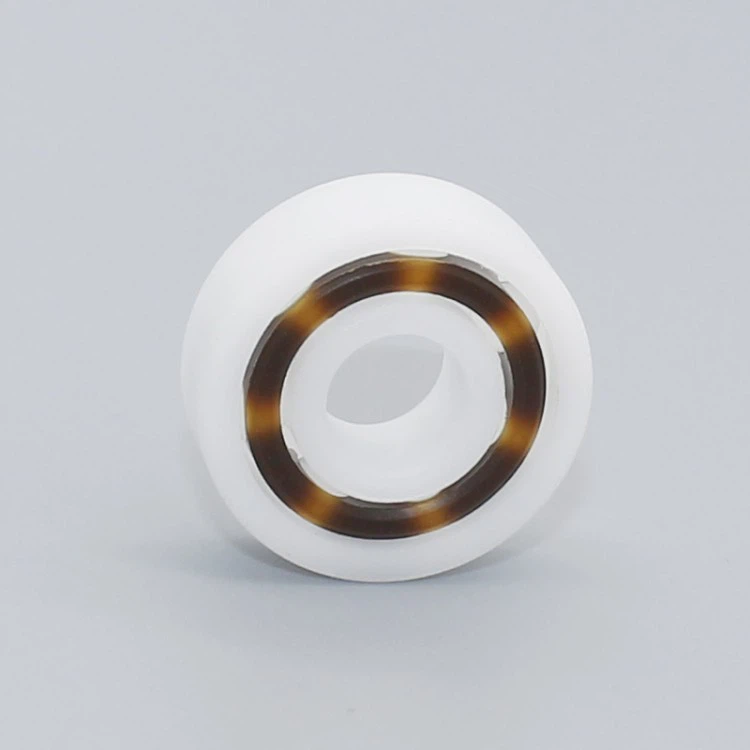
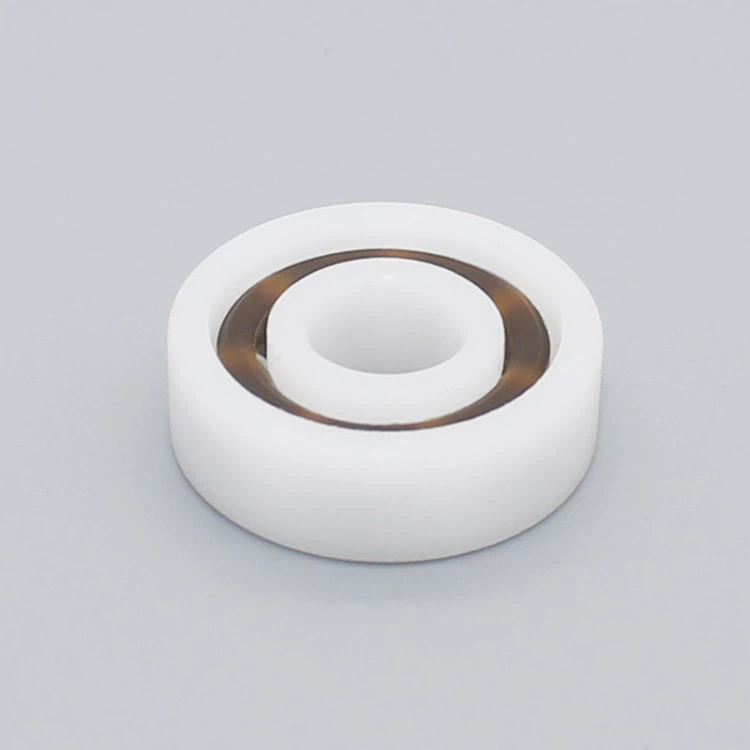
Peek Bearings offer exceptional mechanical and chemical properties. PEEK has a high melting point, good dimensional stability, and excellent resistance to wear and creep. It can operate at high temperatures and is often used in demanding applications where performance under extreme conditions is required.
POM Plastic Bearings are valued for their high stiffness, low friction, and good machinability. POM has a low coefficient of friction, which reduces energy consumption and heat generation in the bearing. It also has good resistance to moisture and chemicals, making it suitable for a wide range of environments.
Advantages of Plastic Bearings in High - Acceleration Applications
- Lightweight: One of the most significant advantages of plastic bearings is their low weight. In high - acceleration applications, reducing the mass of moving parts can lead to lower inertia, which in turn allows for faster acceleration and deceleration. This can improve the overall efficiency and performance of the system. For example, in aerospace or automotive applications, where every gram counts, plastic bearings can contribute to better fuel efficiency and higher speeds.
- Self - Lubrication: Many plastic bearings are self - lubricating, which eliminates the need for external lubrication systems. In high - acceleration applications, where traditional lubricants may be flung off due to the high centrifugal forces, self - lubricating plastic bearings can maintain smooth operation. This reduces maintenance requirements and the risk of lubricant contamination, which can be a major issue in some environments.
- Corrosion Resistance: Plastic bearings are inherently resistant to corrosion, which is a significant advantage in high - acceleration applications that may be exposed to harsh chemicals or moisture. Unlike metal bearings, which can rust and degrade over time, plastic bearings can maintain their performance and integrity in corrosive environments. This makes them suitable for use in marine, food processing, and chemical industries.
- Low Noise and Vibration: Plastic bearings have a damping effect, which can reduce noise and vibration in high - acceleration systems. This is particularly important in applications where quiet operation is required, such as in medical equipment or precision machinery. The reduced noise and vibration can also improve the comfort of operators and the overall quality of the product.
Limitations of Plastic Bearings in High - Acceleration Applications
- Temperature Limitations: While some plastics, such as PEEK, can withstand high temperatures, most plastic bearings have a lower temperature limit compared to metal bearings. In high - acceleration applications, the rapid movement of parts can generate a significant amount of heat, which may cause the plastic to deform or lose its mechanical properties. Therefore, it is important to carefully consider the operating temperature range when selecting plastic bearings for high - acceleration applications.
- Load Capacity: Plastic bearings generally have a lower load capacity than metal bearings. In high - acceleration applications, the forces acting on the bearings can be very high, especially during sudden starts and stops. If the load exceeds the capacity of the plastic bearing, it may lead to premature failure. It is crucial to accurately calculate the loads and select the appropriate bearing size and material to ensure reliable operation.
- Wear Rate: Although plastic bearings have good wear resistance, they may experience a higher wear rate compared to metal bearings in some high - acceleration applications. The high - speed movement and the resulting friction can cause the plastic to wear down over time. This may require more frequent replacement of the bearings, which can increase maintenance costs.
Real - World Case Studies
- Automotive Industry: In electric vehicles, plastic bearings are used in various components, such as the motor and transmission. The high - acceleration nature of electric vehicles requires bearings that can handle rapid changes in speed and torque. Plastic bearings, with their lightweight and self - lubricating properties, can help improve the efficiency and performance of these components. For example, nylon bearings are often used in the electric motor's cooling fan, where they can operate at high speeds with low noise and vibration.
- Robotics: Robots are designed to perform tasks with high precision and speed, which often involves high - acceleration movements. Plastic bearings are used in robot joints and actuators to reduce weight and improve the robot's agility. PEEK bearings, with their high strength and temperature resistance, are suitable for use in robots that operate in harsh environments or at high speeds.
Conclusion
In conclusion, plastic bearings can be used in applications with high acceleration, but their suitability depends on several factors, including the specific application requirements, the type of plastic material, and the operating conditions. While plastic bearings offer many advantages, such as lightweight, self - lubrication, corrosion resistance, and low noise, they also have some limitations, such as temperature limitations, load capacity, and wear rate.
As a plastic bearings supplier, we have the expertise and experience to help you select the right bearings for your high - acceleration applications. We can provide you with detailed technical information, samples, and support to ensure that you make an informed decision. If you are interested in purchasing plastic bearings for your high - acceleration applications, please contact us to discuss your specific requirements. We look forward to working with you to find the best bearing solutions for your needs.
References
- "Plastic Bearings: Design, Materials, and Applications" by John Doe
- "High - Acceleration Systems and Bearing Selection" by Jane Smith
- "Advances in Plastic Bearing Technology" in the Journal of Mechanical Engineering


