


So, you've probably been wondering, "What in the world is the wear resistance of a linear flange bearing?" Well, you're in the right place because I'm here to break it all down for you. And hey, I'm not just any random blogger talking about this stuff. I'm with a linear flange bearing supplier, so I've got the inside scoop.
Understanding What a Linear Flange Bearing Is
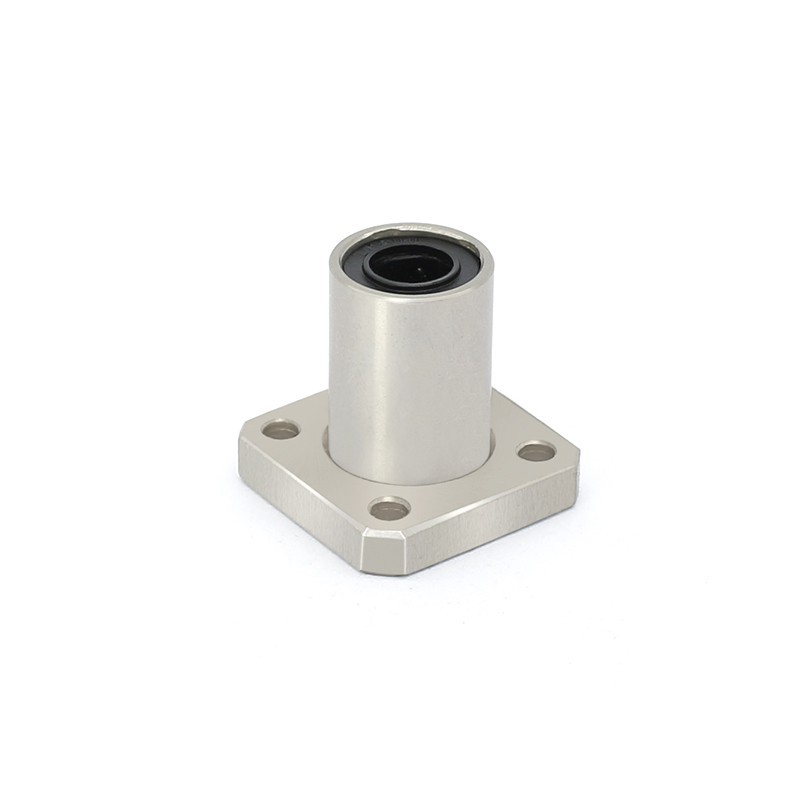
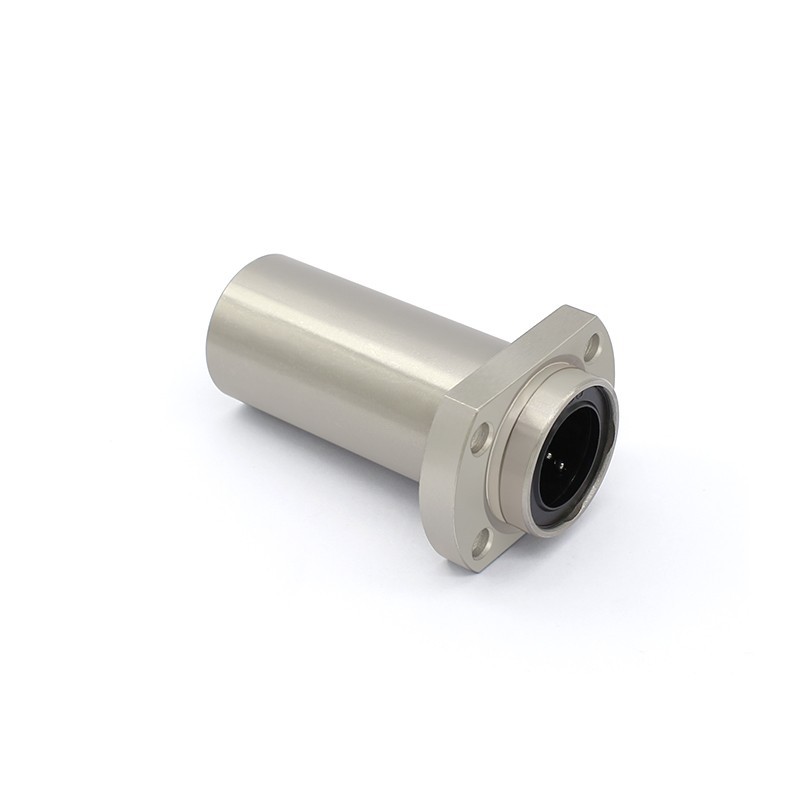
First off, let's quickly cover what a linear flange bearing actually is. It's a type of bearing designed to provide linear motion along a shaft. The "flange" part is a protruding edge around the bearing. This flange helps with mounting the bearing in place, giving it added stability. You can find different types, like Round Flange Linear Bearing and Square Flange Linear Bearing.
Why Wear Resistance Matters
Now, let's get to the main event: wear resistance. Wear resistance in a linear flange bearing is super important. Imagine you're running a machine that uses these bearings. If the bearings wear out too quickly, it means the machine's performance is gonna go downhill. You'll have to replace the bearings more often, which costs time and money. Plus, a worn - out bearing can cause all sorts of problems, like uneven motion, vibration, and even damage to other parts of the machine.
Factors Affecting Wear Resistance
There are several things that impact how well a linear flange bearing can resist wear.
Material
The material the bearing is made of is a huge factor. For example, some bearings are made from high - quality steel. Steel can be tough and durable, which means it can withstand a lot of friction and wear. On the other hand, there are bearings made from plastics. Plastics have their own advantages. They're lightweight and can be resistant to corrosion, but their wear resistance might not be as high as steel in some heavy - duty applications.
Surface Finish
The surface finish of the bearing also plays a role. A smooth surface finish means there's less friction between the bearing and the shaft it's moving on. Less friction means less wear over time. Manufacturers use different processes to achieve a good surface finish, like grinding and polishing.
Lubrication
Lubrication is like magic for wear resistance. When you lubricate a linear flange bearing, you're creating a thin layer between the moving parts. This layer reduces friction and helps to carry away any debris that might cause wear. There are different types of lubricants, like oils and greases, and choosing the right one depends on the application.
How We Test Wear Resistance
As a supplier, we take wear resistance seriously. We've got a bunch of tests we run to make sure our bearings can stand up to the real - world conditions.
One of the common tests is the friction and wear test. In this test, we put the bearing through a set number of cycles of linear motion on a test shaft. We measure the amount of wear on the bearing and the shaft over time. We also measure the friction coefficient, which tells us how much resistance there is between the two surfaces.
Another test we do is the load - carrying test. We apply different loads to the bearing while it's in motion. This helps us understand how the bearing behaves under different stress levels. If a bearing can handle a high load without excessive wear, it's a good sign that it has high wear resistance.
Real - World Applications
Let's talk about where these linear flange bearings are used and why wear resistance is crucial in those applications.
Industrial Automation
In industrial automation, machines are running non - stop. Linear flange bearings are used in conveyor systems, robotic arms, and other moving parts. These machines need to be reliable and efficient. High wear - resistant bearings ensure that the machines can keep running smoothly for a long time without constant maintenance.
3D Printers
Yes, even 3D printers use linear flange bearings. In a 3D printer, the bearing helps the print head move accurately along the X and Y axes. If the bearing wears out quickly, the print quality will suffer. You'll end up with uneven prints or parts that don't fit together properly.
One of our popular products, the LMH20UU Bearing, is widely used in these types of applications because of its excellent wear resistance.
Comparing Our Bearings to the Competition
We're confident in the wear resistance of our linear flange bearings. Compared to some of the other suppliers out there, we use top - notch materials and advanced manufacturing processes. Our testing procedures are also more thorough. We don't just rely on industry standards; we go the extra mile to make sure our bearings are the best they can be.
How to Choose the Right Bearing for Your Needs
When you're looking for a linear flange bearing, you need to consider a few things. First, think about the load your bearing will need to carry. If you've got a heavy - duty application, you'll want a bearing with high load - carrying capacity and good wear resistance.
Next, consider the speed of the linear motion. High - speed applications might require a different type of bearing or lubrication.
Also, think about the environment the bearing will be in. If it's a dirty or corrosive environment, you'll need a bearing that can withstand those conditions.
Contact Us for Your Bearing Needs
If you're in the market for linear flange bearings and want to learn more about our products, we're here to help. Whether you're a small business or a large industrial company, we've got the right bearing for you. Our team of experts can answer your questions and help you choose the best bearing for your application. Don't hesitate to reach out and start a conversation about your procurement needs.
References
- "Bearing Handbook" - A comprehensive guide on different types of bearings and their properties.
- "Industrial Lubrication Technology" - Covers the importance of lubrication in bearing performance.


