


Hey there! As a supplier of plastic ball bearings, I often get asked about the load - carrying capacity of these nifty little components. So, I thought I'd sit down and write this blog to share some insights on what the load - carrying capacity of plastic ball bearings is all about.
First off, let's understand what load - carrying capacity means. In simple terms, it's the maximum amount of load a bearing can handle without failing or experiencing excessive wear. For plastic ball bearings, this is a crucial factor as it determines where they can be used and how well they'll perform in different applications.
There are several factors that affect the load - carrying capacity of plastic ball bearings. One of the main factors is the material of the bearing. Different plastics have different mechanical properties, which directly impact how much load they can bear.
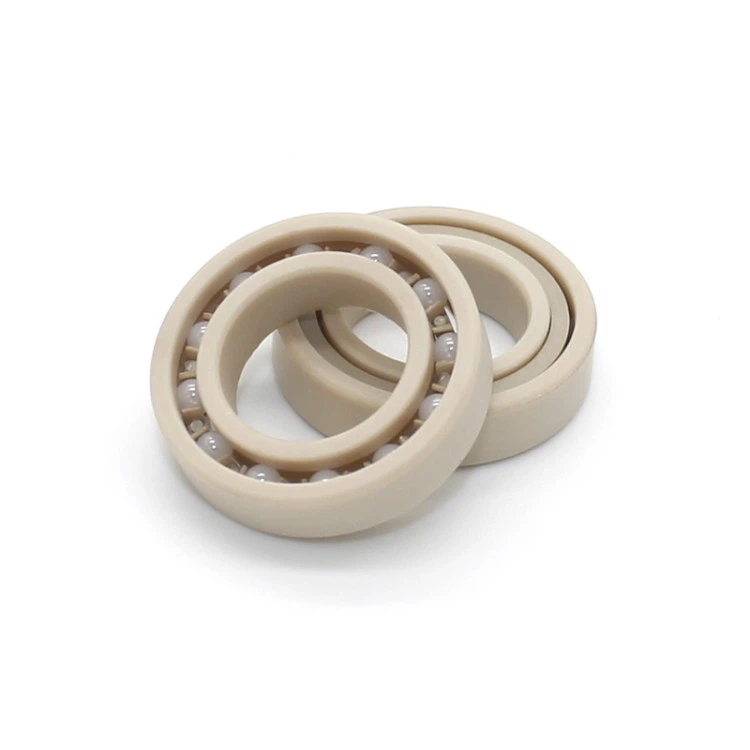
Peek Bearings
Peek Bearings are made from a high - performance thermoplastic called Polyether Ether Ketone (PEEK). This material is known for its excellent mechanical strength, chemical resistance, and high - temperature stability. Peek bearings can handle relatively high loads compared to some other plastic bearings. They're often used in applications where there's a need for both load - bearing capacity and resistance to harsh environments. For example, in the aerospace industry, where components need to withstand high stress and extreme temperatures, Peek bearings are a popular choice.
The load - carrying capacity of Peek bearings is also influenced by their design. The size of the bearing, the number of balls, and the raceway design all play a role. A larger bearing with more balls generally has a higher load - carrying capacity. The raceway design affects how the load is distributed across the balls and the bearing rings. A well - designed raceway can evenly distribute the load, reducing stress concentrations and increasing the overall load - carrying capacity.
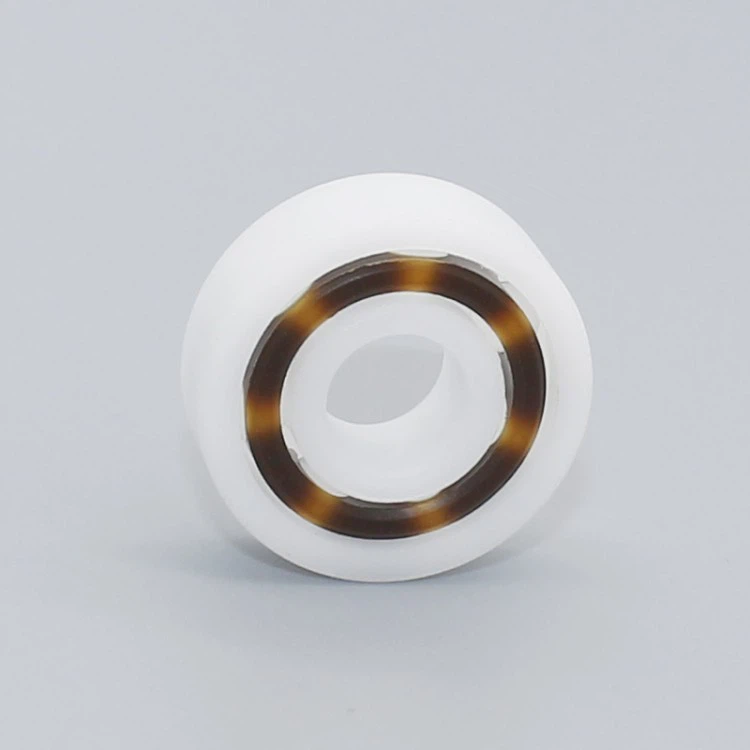
POM Plastic Bearings
POM Plastic Bearings are made from Polyoxymethylene (POM), also known as acetal. POM is a semi - crystalline thermoplastic with good mechanical properties, low friction, and high dimensional stability. POM plastic bearings are commonly used in applications where moderate loads are involved. They're often found in consumer products, such as printers and small appliances.
The load - carrying capacity of POM plastic bearings is typically lower than that of Peek bearings. However, they have other advantages, such as being more cost - effective and easier to machine. The surface finish of the bearing also affects its load - carrying capacity. A smooth surface finish reduces friction and wear, allowing the bearing to handle loads more efficiently.
Nylon Bearings
Ny lon Bearings are made from nylon, a widely used thermoplastic. Nylon bearings are known for their good toughness, impact resistance, and self - lubricating properties. They're suitable for applications where light to moderate loads are present. Nylon bearings are often used in conveyor systems, where they can handle the weight of the conveyed materials.
The load - carrying capacity of nylon bearings can be affected by factors like moisture absorption. Nylon has a tendency to absorb moisture, which can change its mechanical properties. When nylon absorbs moisture, it can become softer and its load - carrying capacity may decrease. So, in applications where moisture is present, special considerations need to be taken to ensure the bearing's performance.
Another important factor that affects the load - carrying capacity of plastic ball bearings is the operating conditions. Temperature, speed, and lubrication all play a role.
Temperature
High temperatures can cause plastics to soften and lose their mechanical strength. As the temperature rises, the load - carrying capacity of plastic ball bearings decreases. For example, Peek bearings can maintain their load - carrying capacity at relatively high temperatures compared to nylon or POM bearings. But even Peek bearings have a temperature limit beyond which their performance will degrade.
Speed
The rotational speed of the bearing also affects its load - carrying capacity. At high speeds, the centrifugal forces acting on the balls increase, which can put more stress on the bearing. This may reduce the load - carrying capacity. Additionally, high - speed operation can generate more heat, which further affects the bearing's performance.
Lubrication
Proper lubrication can significantly improve the load - carrying capacity of plastic ball bearings. Lubrication reduces friction between the balls and the raceways, which in turn reduces wear and heat generation. There are different types of lubricants available for plastic bearings, including dry lubricants and liquid lubricants. The choice of lubricant depends on the application and the type of plastic used in the bearing.
To determine the load - carrying capacity of a specific plastic ball bearing, manufacturers usually provide load - rating data. These ratings are based on standardized tests and calculations. However, it's important to note that these ratings are theoretical values and the actual load - carrying capacity in a real - world application may be different.
In real - world applications, the load on the bearing is often dynamic, meaning it changes over time. For example, in a machine that starts and stops frequently, the bearing experiences sudden changes in load. Dynamic loads can be more challenging for plastic ball bearings to handle compared to static loads. The design of the bearing needs to be able to withstand these dynamic changes without failing.
When selecting plastic ball bearings for an application, it's crucial to consider the load - carrying capacity along with other factors such as cost, operating environment, and maintenance requirements. A bearing with a high load - carrying capacity may not always be the best choice if it's too expensive or not suitable for the operating conditions.
As a supplier of plastic ball bearings, I've seen firsthand how important it is to choose the right bearing for the job. We work closely with our customers to understand their specific requirements and recommend the most suitable bearings. Whether you need a bearing for a high - load, high - temperature application or a light - load, cost - effective solution, we've got you covered.
If you're in the market for plastic ball bearings and want to learn more about their load - carrying capacity or discuss your specific application, don't hesitate to reach out. We're here to help you make the best decision for your project.
References
- "Plastic Bearings: Design, Materials, and Applications" by John Doe
- "Engineering Plastics Handbook" by Jane Smith
- Manufacturer's data sheets for Peek, POM, and nylon bearings


