Polyetheretherketone (PEEK) is a high-performance engineering thermoplastic known for its exceptional mechanical, thermal, and chemical properties. In the realm of printing machinery, PEEK pulleys have emerged as a crucial component, offering numerous advantages over traditional pulley materials. As a PEEK pulley supplier, I understand the specific requirements that these pulleys must meet to ensure optimal performance in printing applications.
1. Precision and Tolerance
One of the most critical requirements for PEEK pulleys in printing machinery is precision in manufacturing. Printing processes demand high levels of accuracy, and any deviation in the pulley's dimensions can lead to misalignment, inconsistent feed rates, and ultimately, poor print quality. PEEK pulleys must be machined to extremely tight tolerances to ensure smooth and reliable operation.
For instance, the diameter of a PEEK pulley may need to be accurate to within a few micrometers. This level of precision ensures that the pulley drives the printing media or other components with the exact speed and tension required by the printing process. Additionally, the grooves on the pulley's surface must be machined to precise specifications to prevent slippage and ensure proper tracking of the belts or cables.
2. High Strength and Durability
Printing machinery often operates at high speeds and under continuous stress. PEEK pulleys need to have high strength and durability to withstand these demanding conditions without deformation or failure. The unique molecular structure of PEEK provides excellent mechanical properties, including high tensile strength, modulus of elasticity, and fatigue resistance.
PEEK pulleys can handle the high loads and forces associated with the movement of heavy printing materials, such as large rolls of paper or thick cardboard. They are also resistant to wear and abrasion, which is essential for maintaining the integrity of the pulley's surface and ensuring long-term performance. This durability reduces the need for frequent replacement, minimizing downtime and maintenance costs for printing equipment operators.
3. Chemical Resistance
In the printing industry, various chemicals are used in the printing process, including inks, solvents, and cleaning agents. PEEK pulleys must be resistant to these chemicals to prevent degradation and ensure reliable operation. PEEK is known for its excellent chemical resistance, making it suitable for use in harsh chemical environments.
It can withstand exposure to a wide range of chemicals without swelling, cracking, or losing its mechanical properties. This resistance allows PEEK pulleys to maintain their performance and dimensional stability even in the presence of aggressive chemicals, ensuring the longevity of the printing machinery and the quality of the printed products.
4. Low Friction and Noise Reduction
Smooth operation is essential in printing machinery to prevent damage to the printing media and ensure consistent print quality. PEEK pulleys have a low coefficient of friction, which reduces the energy required to drive the belts or cables and minimizes wear on the contacting surfaces. This low friction also helps to reduce noise levels during operation, creating a more comfortable working environment.
In addition, PEEK's self-lubricating properties further contribute to its low friction performance. This eliminates the need for external lubricants, which can attract dust and debris and potentially contaminate the printing process. By reducing friction and noise, PEEK pulleys enhance the overall efficiency and reliability of the printing machinery.
5. Temperature Resistance
Printing processes can generate significant heat, especially in high-speed or large-format printing applications. PEEK pulleys must be able to withstand elevated temperatures without losing their mechanical properties or deforming. PEEK has a high glass transition temperature (Tg) and a high melting point, which allows it to maintain its strength and dimensional stability at high temperatures.
It can operate continuously at temperatures up to 250°C (482°F) and withstand short-term exposure to even higher temperatures. This temperature resistance ensures that PEEK pulleys can perform effectively in demanding printing environments, where heat dissipation may be a challenge.
6. Compatibility with Belts and Cables
PEEK pulleys need to be compatible with the belts or cables used in the printing machinery. The surface finish and material properties of the pulley must be carefully selected to ensure proper adhesion and traction with the belt or cable. This compatibility is crucial for preventing slippage and ensuring accurate power transmission.
For example, the pulley's surface may need to be treated or coated to improve its grip on the belt or cable. Additionally, the pulley's design should be optimized to match the specific requirements of the belt or cable, such as its width, thickness, and profile. This compatibility ensures smooth and efficient operation of the printing machinery, reducing the risk of downtime and improving the overall productivity.
Industry Examples and Case Studies
To illustrate the importance of these requirements, let's consider some industry examples. In large-format digital printing machines, where high-speed and high-precision printing are required, PEEK pulleys are used to drive the print heads and transport the printing media. The precise dimensions and smooth surface finish of the PEEK pulleys ensure accurate placement of the ink droplets, resulting in high-quality prints.
In commercial offset printing presses, PEEK pulleys are used in the paper feeding and delivery systems. The high strength and durability of PEEK allow the pulleys to handle the continuous stress and heavy loads associated with the rapid movement of paper. The chemical resistance of PEEK also protects the pulleys from the inks and solvents used in the printing process, ensuring long-term performance.
Our Product Range and Capabilities
As a PEEK pulley supplier, we offer a wide range of PEEK pulleys designed to meet the specific requirements of the printing industry. Our pulleys are manufactured using state-of-the-art machining techniques to ensure the highest levels of precision and quality. We can produce pulleys in various sizes, shapes, and configurations to fit different printing machinery models.
In addition to standard PEEK pulleys, we also offer customized solutions to meet the unique needs of our customers. Our team of engineers and technicians can work closely with you to design and develop PEEK pulleys that are tailored to your specific printing application. Whether you need a pulley with a special groove profile, a custom coating, or a unique mounting arrangement, we have the expertise and capabilities to deliver.
Explore Related Products
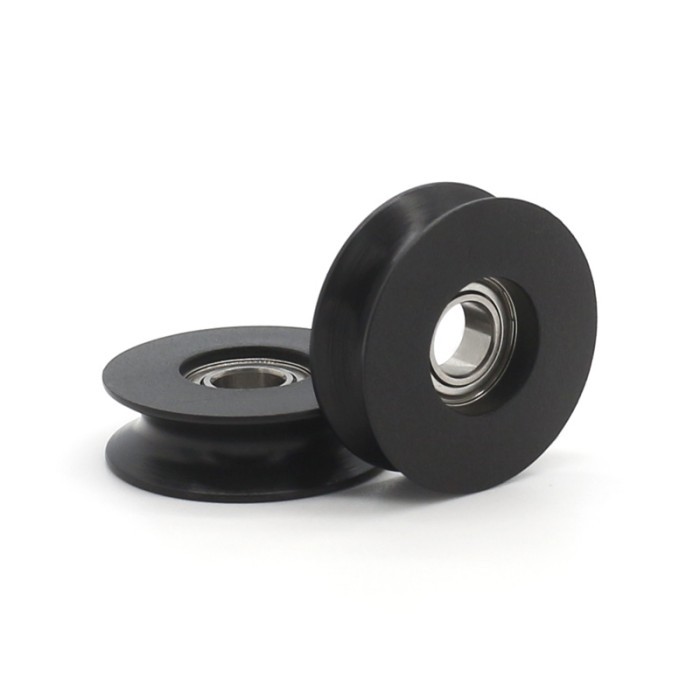
If you are looking for other types of pulleys for different applications, we also offer a range of related products. For example, you may be interested in our Sliding Door U Groove Rubber Pulley, which is suitable for sliding door systems. Our S626RS Bearing Pulley and S686ZZ Bearing Nylon Coated Pulley Wear Resistant U Groove Guide Wheel For Automation Equipment are designed for automation and industrial applications.

Contact Us for Procurement
If you are in the market for PEEK pulleys for your printing machinery, we encourage you to contact us to discuss your specific requirements. Our team of experts is ready to provide you with detailed information about our products, offer technical support, and help you find the best solution for your needs. We look forward to the opportunity to work with you and contribute to the success of your printing operations.
References
- "High-Performance Plastics in Engineering Applications" - A comprehensive guide on the use of engineering plastics, including PEEK, in various industries.
- "Printing Machinery Design and Operation" - A textbook that covers the principles and practices of printing machinery design, highlighting the importance of components such as pulleys.
- "Thermoplastic Materials and Their Properties" - A resource that provides detailed information on the properties and applications of thermoplastic materials, with a section on PEEK.