In the realm of mechanical engineering and industrial applications, the question of whether a screw pulley can be used in a vertical lifting system is one that often sparks curiosity and debate. As a supplier of screw pulleys, I am well - versed in the capabilities and limitations of these devices, and I'm excited to share my insights on this topic.
Understanding Screw Pulleys
Before delving into their use in vertical lifting systems, let's first understand what screw pulleys are. A screw pulley is a type of pulley that has a threaded shaft or screw integrated into its design. This threaded feature allows for unique applications and functions that set it apart from traditional pulleys.
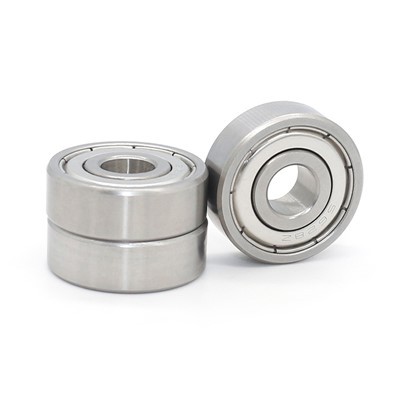
Screw pulleys come in various forms and sizes, each designed to meet specific requirements. For example, we offer products like the External Thread Sliding Pulley 6000RS, which is known for its smooth sliding action and high - load capacity. The external thread design provides flexibility in installation and adjustment, making it suitable for a wide range of applications.
Another product in our catalog is the S698ZZ Rubber Coated Bearing with M810Screw. The rubber coating on the bearing not only reduces noise but also provides additional grip and protection. The M810 screw ensures a secure connection, which is crucial in many mechanical setups.
Similarly, the S696ZZ Rubber Coated Bearing with M6 Screw is a smaller - sized option that offers similar benefits. It is ideal for applications where space is limited but reliable performance is still required.
Advantages of Using Screw Pulleys in Vertical Lifting Systems
- Precise Positioning: One of the key advantages of screw pulleys in vertical lifting systems is their ability to provide precise positioning. The threaded shaft allows for fine - tuning of the height and position of the load. This is particularly important in applications where accuracy is crucial, such as in manufacturing processes where components need to be lifted and placed with high precision.
- Self - Locking Feature: Screw pulleys often have a self - locking mechanism. This means that once the load is lifted to a certain position, the pulley will hold the load in place without the need for additional braking systems. This is a significant safety feature in vertical lifting applications, as it reduces the risk of the load slipping or falling.
- Load Distribution: The design of screw pulleys allows for better load distribution. The threaded shaft spreads the load evenly across the pulley, reducing stress on individual components. This can increase the lifespan of the pulley and the overall lifting system, as well as improve the stability of the load during lifting.
- Versatility: Screw pulleys can be used in a variety of vertical lifting systems, from small - scale laboratory setups to large - scale industrial cranes. Their adaptability makes them a popular choice for engineers and technicians looking for a reliable and flexible lifting solution.
Challenges and Considerations
While screw pulleys offer many advantages in vertical lifting systems, there are also some challenges and considerations that need to be taken into account.
- Friction and Efficiency: The threaded design of screw pulleys can introduce additional friction compared to traditional pulleys. This can reduce the overall efficiency of the lifting system, especially when lifting heavy loads. To mitigate this issue, proper lubrication and maintenance are essential. Regularly lubricating the threaded shaft can help reduce friction and improve the performance of the pulley.
- Speed Limitations: Screw pulleys are generally not as fast as some other types of lifting mechanisms. The threaded action requires more time to move the load vertically, which can be a drawback in applications where speed is a critical factor. However, in many cases, the precision and safety offered by screw pulleys outweigh the need for high - speed operation.
- Load Capacity: The load capacity of a screw pulley depends on several factors, including the size of the pulley, the material of the threaded shaft, and the quality of the bearings. It is important to carefully select the appropriate screw pulley for the specific lifting application to ensure that it can handle the required load.
Real - World Applications
Screw pulleys are used in a wide range of vertical lifting applications across different industries.
- Manufacturing: In manufacturing plants, screw pulleys are used to lift and position heavy components during the assembly process. For example, in the automotive industry, screw pulleys can be used to lift engine blocks or other large parts into place with high precision.
- Construction: In the construction industry, screw pulleys are used in cranes and hoists to lift building materials and equipment vertically. Their self - locking feature and precise positioning capabilities make them well - suited for this type of application.
- Laboratory and Research: In laboratory settings, screw pulleys are used to lift and adjust experimental equipment. Their ability to provide fine - tuned positioning is essential in scientific research, where accurate measurements and adjustments are required.
Case Studies
Let's take a look at a couple of case studies to illustrate the use of screw pulleys in vertical lifting systems.
Case Study 1: A manufacturing company was looking for a way to lift and position heavy metal sheets during the stamping process. They decided to use screw pulleys in their lifting system. The precise positioning capabilities of the screw pulleys allowed them to place the metal sheets with high accuracy, resulting in a significant improvement in the quality of the stamped products. The self - locking feature also increased the safety of the operation, as the sheets remained in place during the stamping process.
Case Study 2: A construction firm was building a high - rise building. They used screw pulleys in their tower cranes to lift construction materials vertically. The load - distribution capabilities of the screw pulleys helped to reduce stress on the crane components, increasing the lifespan of the equipment. The self - locking feature also provided an extra layer of safety, especially in windy conditions.
Conclusion
In conclusion, screw pulleys can indeed be used in vertical lifting systems, and they offer several advantages such as precise positioning, self - locking, and good load distribution. However, it is important to consider the challenges, such as friction, speed limitations, and load capacity, when choosing a screw pulley for a specific application.
As a supplier of screw pulleys, we have a wide range of products to meet different needs. Our team of experts is always available to provide technical support and help you select the right screw pulley for your vertical lifting system. If you are interested in learning more about our products or have any questions regarding the use of screw pulleys in your application, we encourage you to reach out to us for a procurement discussion. We are committed to providing high - quality products and excellent customer service to ensure the success of your projects.


References
- Norton, R. L. (2006). Machine Design: An Integrated Approach. Pearson Prentice Hall.
- Shigley, J. E., & Mischke, C. R. (2003). Mechanical Engineering Design. McGraw - Hill.