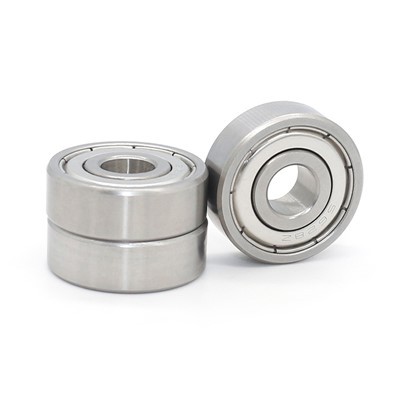
Safety is of utmost importance when using any mechanical equipment, and screw pulleys are no exception. As a supplier of high - quality screw pulleys, I understand the significance of providing clear safety guidelines to our customers. In this blog, I will discuss the essential safety precautions that should be taken when using a screw pulley.
1. Pre - use Inspection
Before using a screw pulley, a thorough inspection is crucial. First, check the physical condition of the pulley itself. Look for any signs of damage such as cracks, chips, or excessive wear on the pulley surface. A damaged pulley can cause the rope or cable to slip, leading to potential accidents. For example, if the grooves of the pulley are worn out, the rope may not fit properly, and there is a risk of it coming off during operation.
Inspect the screw part of the pulley. Ensure that the threads are in good condition, without any signs of stripping or deformation. A faulty screw can result in the pulley not being securely attached, which can lead to it detaching during use. We offer a variety of high - quality screw pulleys, such as the S698ZZ Rubber Coated Bearing with M810Screw and the S696ZZ Rubber Coated Bearing with M6 Screw, which are designed with durable screws to ensure a secure fit.
Also, examine the rope or cable that will be used with the pulley. It should be in good condition, without any fraying, cuts, or weak spots. A damaged rope can break under stress, causing the load to fall. Make sure the rope is of the appropriate strength for the intended load.
2. Proper Installation
Proper installation is key to the safe operation of a screw pulley. First, choose a suitable mounting location. The surface where the pulley will be installed should be strong, flat, and able to support the load. Avoid installing the pulley on a surface that is prone to vibration or movement, as this can cause the pulley to loosen over time.
When installing the pulley using the screw, use the correct tools. Do not overtighten or undertighten the screw. Overtightening can damage the threads or the mounting surface, while undertightening can result in the pulley becoming loose during use. Follow the manufacturer's instructions for the correct torque value.
For external thread sliding pulleys like the External Thread Sliding Pulley 6000RS, ensure that the external thread is properly engaged with the mounting structure. Check that the pulley can slide smoothly without any obstructions.
3. Load Capacity Awareness
It is essential to be aware of the load capacity of the screw pulley. Each pulley is designed to handle a specific maximum load. Exceeding this capacity can lead to the pulley breaking or the rope snapping, which can cause serious injuries.
Before using the pulley, determine the weight of the load. If the load is close to the maximum capacity of the pulley, consider using multiple pulleys or a pulley system to distribute the load evenly. This can increase the overall load - bearing capacity and reduce the stress on each individual pulley.
Do not use the pulley for loads that are not within its design specifications. For example, if a pulley is designed for light - duty applications, do not use it to lift heavy machinery.
4. Rope and Cable Management
Proper rope and cable management is important for safe operation. When threading the rope through the pulley, make sure it is properly seated in the grooves. Avoid cross - threading or overlapping the rope, as this can cause uneven wear and increase the risk of the rope coming off the pulley.
Keep the rope clean and free from dirt, debris, and grease. Dirt and debris can cause abrasion on the rope, weakening it over time. Grease can make the rope slippery, reducing its grip on the pulley.
When the pulley is in use, do not let the rope or cable become tangled. A tangled rope can cause the pulley to jam, leading to a sudden stop and potential damage to the equipment or injury to the operator.


5. Operator Training
Operators should receive proper training before using a screw pulley. They should be familiar with the safety precautions, installation procedures, and load - handling techniques. Training should include how to perform pre - use inspections, how to install the pulley correctly, and how to operate it safely.
Operators should also be aware of the potential hazards associated with using a screw pulley, such as the risk of the load falling, the rope breaking, or the pulley detaching. They should know what to do in case of an emergency, such as how to stop the operation immediately and how to secure the load.
6. Maintenance and Lubrication
Regular maintenance is essential for the safe and efficient operation of a screw pulley. Clean the pulley regularly to remove dirt, debris, and any other contaminants. This can prevent wear and corrosion.
Lubricate the moving parts of the pulley, such as the bearings, as recommended by the manufacturer. Proper lubrication can reduce friction, extend the lifespan of the pulley, and ensure smooth operation.
Check the tightness of the screw and other fasteners periodically. Over time, vibrations and normal use can cause the fasteners to loosen. Tighten them as needed to ensure the pulley remains securely attached.
7. Environmental Considerations
The environment in which the screw pulley is used can also affect its safety. Avoid using the pulley in wet or corrosive environments unless it is specifically designed for such conditions. Moisture can cause rust and corrosion, weakening the pulley and the rope.
If the pulley is used outdoors, protect it from extreme weather conditions such as high winds, heavy rain, or snow. High winds can cause the load to swing and put additional stress on the pulley.
In dusty or dirty environments, take extra precautions to keep the pulley clean. Dust and dirt can get into the bearings and other moving parts, causing them to wear out faster.
8. Emergency Preparedness
Even with all the safety precautions in place, emergencies can still occur. It is important to have an emergency plan in place. This should include procedures for stopping the operation immediately, securing the load, and providing first - aid if necessary.
Keep emergency equipment such as fire extinguishers, first - aid kits, and safety signs readily available. Make sure all operators are familiar with the location and use of this equipment.
In conclusion, using a screw pulley safely requires a combination of pre - use inspection, proper installation, load capacity awareness, rope and cable management, operator training, maintenance, environmental considerations, and emergency preparedness. By following these safety precautions, you can minimize the risk of accidents and ensure the long - term performance of the pulley.
If you are interested in purchasing high - quality screw pulleys, or if you have any questions about safety precautions or product specifications, please feel free to contact us for a procurement discussion. We are committed to providing you with the best products and services to meet your needs.
References
- Engineering Mechanics: Statics and Dynamics, by J.L. Meriam and L.G. Kraige
- Machinery's Handbook, by Industrial Press Inc.
- OSHA Guidelines for Mechanical Equipment Safety