As a supplier of GE50 Bearing, I often get asked about the noise level of this product during operation. In this blog post, I'll delve into the factors that influence the noise level of the GE50 Bearing, how it compares to other bearings, and why it matters in various applications.
Understanding the GE50 Bearing
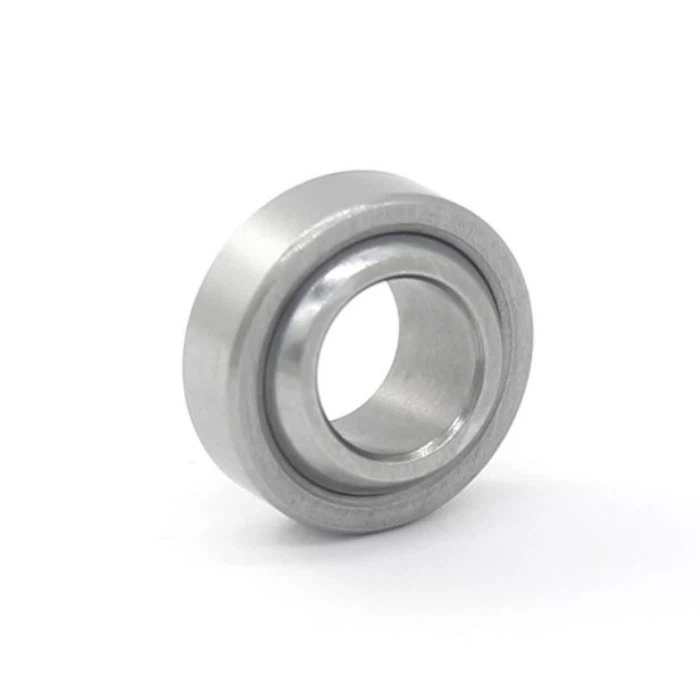
The GE50 Bearing is a type of radial spherical plain bearing. These bearings are designed to accommodate angular misalignment and provide smooth rotation in a wide range of applications. They are commonly used in machinery, automotive, and aerospace industries, where reliability and performance are crucial.
The construction of the GE50 Bearing consists of an inner ring with a spherical convex outside surface and an outer ring with a corresponding spherical concave inside surface. This design allows for angular movement between the inner and outer rings, which helps to reduce stress and wear on the bearing.
Factors Affecting the Noise Level
Several factors can influence the noise level of the GE50 Bearing during operation. Here are some of the most significant ones:
1. Lubrication
Proper lubrication is essential for reducing friction and noise in bearings. The GE50 Bearing requires a high-quality lubricant to ensure smooth operation. Insufficient lubrication can lead to increased friction, which in turn generates more noise. On the other hand, over-lubrication can also cause problems, such as oil churning and increased drag, which can contribute to noise.
2. Load and Speed
The load and speed at which the bearing operates can have a significant impact on the noise level. Higher loads and speeds generally result in more noise. This is because the increased forces and stresses on the bearing components can cause vibrations and rattling. It's important to select the appropriate bearing size and type based on the specific load and speed requirements of the application.
3. Bearing Quality
The quality of the bearing itself plays a crucial role in determining the noise level. High-quality bearings are manufactured to precise tolerances and use high-grade materials, which results in smoother operation and less noise. Inferior bearings may have irregularities in the surface finish or internal components, which can lead to increased noise.
4. Installation
Proper installation is essential for ensuring the optimal performance and noise level of the GE50 Bearing. Incorrect installation can cause misalignment, which can lead to increased friction and noise. It's important to follow the manufacturer's installation instructions carefully and use the appropriate tools and techniques.
Measuring the Noise Level
The noise level of the GE50 Bearing can be measured using a sound level meter. This device measures the sound pressure level in decibels (dB). The noise level of a bearing is typically measured in a controlled environment, such as a test chamber, to minimize external noise sources.
The acceptable noise level for a bearing depends on the specific application. In some applications, such as precision machinery or medical equipment, a very low noise level is required. In other applications, such as heavy machinery or industrial equipment, a slightly higher noise level may be acceptable.
Comparing the GE50 Bearing to Other Bearings
To understand the noise level of the GE50 Bearing better, it's useful to compare it to other bearings. For example, the GE80 Bearing is a larger bearing with a higher load capacity. Generally, larger bearings tend to generate more noise than smaller bearings due to the increased mass and forces involved.
However, the noise level also depends on the specific design and quality of the bearing. The GE50 and GE80 Bearings are both high-quality radial spherical plain bearings, but the noise level may vary depending on the application and operating conditions.
Why the Noise Level Matters
The noise level of a bearing is an important consideration in many applications. Here are some reasons why:
1. Comfort and Safety
In applications where the bearing is used in close proximity to humans, such as in automotive or consumer products, a low noise level is essential for comfort and safety. Excessive noise can cause fatigue, stress, and even hearing damage over time.
2. Performance and Reliability
High noise levels can indicate problems with the bearing, such as misalignment, wear, or insufficient lubrication. These issues can lead to reduced performance and reliability, which can result in costly downtime and repairs.
3. Environmental Regulations
In some industries, there are strict environmental regulations regarding noise emissions. Using bearings with a low noise level can help companies comply with these regulations and avoid potential fines.
How to Reduce the Noise Level of the GE50 Bearing
If you're experiencing high noise levels with the GE50 Bearing, there are several steps you can take to reduce it:
1. Check the Lubrication
Make sure the bearing is properly lubricated. Use a high-quality lubricant that is suitable for the specific application. Follow the manufacturer's recommendations for lubrication intervals and quantities.

2. Inspect the Installation
Check the installation of the bearing to ensure it is properly aligned and seated. Make sure the mounting surfaces are clean and free of debris. Use the appropriate tools and techniques for installation.
3. Evaluate the Load and Speed
Review the load and speed requirements of the application. If the bearing is operating at a higher load or speed than recommended, consider using a larger or more suitable bearing.
4. Replace Worn Components
If the bearing is worn or damaged, replace it with a new one. Worn components can cause increased noise and vibration.
Conclusion
The noise level of the GE50 Bearing during operation is influenced by several factors, including lubrication, load and speed, bearing quality, and installation. By understanding these factors and taking appropriate measures, you can ensure that the bearing operates smoothly and quietly.
As a supplier of GE50 Bearing, I am committed to providing high-quality products and excellent customer service. If you have any questions or need further information about the GE50 Bearing or its noise level, please don't hesitate to contact me. We can discuss your specific requirements and help you find the best solution for your application. Whether you're looking to purchase a single bearing or a large quantity for your business, I'm here to assist you in the procurement process. Let's start a conversation and see how we can work together to meet your needs.
References
- "Bearing Noise and Vibration," SKF Bearing Handbook.
- "Spherical Plain Bearings: Design, Selection, and Application," Timken Company.