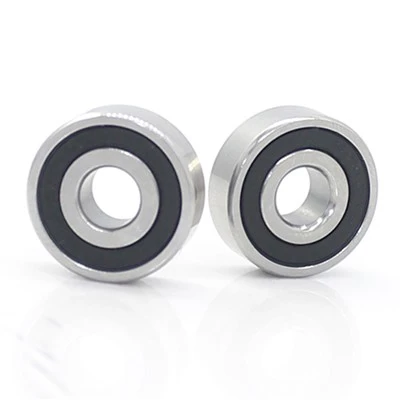
Hey there! As a supplier of pulley bearings, I've seen my fair share of worn - out bearings. And let me tell you, it's super important to spot the signs early on. Not only can it save you from some major headaches down the road, but it can also prevent costly breakdowns. So, let's dive into the signs of a worn - out pulley bearing.
1. Noise
One of the most obvious signs that a pulley bearing is on its last legs is noise. If you start hearing a grinding, growling, or squealing sound coming from the pulley, it's a red flag. This noise is usually caused by the balls or rollers inside the bearing rubbing against the raceways in an abnormal way.
The grinding sound often indicates that there's some wear and tear on the surfaces. Maybe the lubrication has dried up, or there's some debris that's gotten into the bearing. When the balls or rollers can't roll smoothly, they start to scrape against the raceways, creating that unpleasant grinding noise.
A growling noise, on the other hand, could be a sign of more serious damage. It might mean that the bearing is misaligned, or that the internal components are starting to break down. And a squealing sound is often a result of insufficient lubrication. The lack of lubricant causes friction between the moving parts, which in turn creates that high - pitched squeal.
If you notice any of these noises, it's time to take a closer look at the bearing. You can check out some of our high - quality bearings like the Window Pulley 6000ZZ or the Bearing 6304RS Yellow Polyurethane Pulley as potential replacements.
2. Vibration
Another telltale sign of a worn - out pulley bearing is vibration. When a bearing is in good condition, it should rotate smoothly without causing much vibration. But as it starts to wear out, the smooth rotation is disrupted, and you'll feel vibrations.
These vibrations can be felt in the equipment that the pulley is attached to. For example, if it's a pulley in a machine, you might notice that the machine starts to shake more than usual. The vibrations can also be detected by touch. If you place your hand on the pulley housing, you'll feel a noticeable tremor.
Vibration is a big deal because it can lead to further damage. The shaking can cause other parts of the equipment to loosen or wear out prematurely. It can also affect the performance of the entire system. So, if you feel any unusual vibrations, it's a good idea to replace the bearing as soon as possible. We offer a great selection of bearings, such as the EPDM Coated Pulley 696RS, which are designed to minimize vibration and ensure smooth operation.
3. Increased Temperature
A worn - out pulley bearing can also cause an increase in temperature. When the bearing is working properly, the friction between the moving parts is kept to a minimum. But as the bearing wears, the friction increases, which generates heat.
You can check the temperature of the bearing by using an infrared thermometer. If the temperature is significantly higher than normal, it's a sign that something is wrong. High temperatures can cause the lubricant in the bearing to break down, which further exacerbates the problem. It can also lead to thermal expansion of the bearing components, which can cause misalignment and additional wear.
If you find that the bearing is running hot, it's essential to address the issue right away. Our EPDM Coated Bearing 608ZZ is designed to handle high temperatures and reduce friction, making it a great option for replacement.
4. Excessive Play
Excessive play in a pulley bearing is another sign of wear. Play refers to the amount of movement or clearance between the bearing's inner and outer races. In a new bearing, there should be a very small amount of play. But as the bearing wears, the play increases.
You can check for excessive play by trying to move the pulley by hand. If you can feel a significant amount of movement or looseness, it's a sign that the bearing is worn. Excessive play can cause the pulley to wobble, which can lead to uneven wear on the belt or other components. It can also affect the alignment of the pulley, which can cause the system to operate inefficiently.
When you notice excessive play, it's time to consider replacing the bearing. Our Polyurethane Rubber TPU Silent Pulley Bearing 638RS is known for its precise fit and minimal play, ensuring optimal performance.
5. Visual Inspection
A simple visual inspection can also reveal a lot about the condition of a pulley bearing. Look for signs of wear, such as scratches, pitting, or discoloration on the raceways or the balls/rollers. If you see any of these signs, it's likely that the bearing is worn.
You should also check for any signs of lubricant leakage. If there's oil or grease around the bearing, it could mean that the seals are damaged, and the lubricant is escaping. Without proper lubrication, the bearing will wear out much faster.
In addition, check the overall condition of the bearing housing. If it's cracked or damaged, it can affect the performance of the bearing. A damaged housing can cause misalignment, which can lead to premature wear.
Why Choose Our Pulley Bearings?
We understand the importance of high - quality pulley bearings. That's why we offer a wide range of products that are designed to meet the needs of various applications. Our bearings are made from top - quality materials and are manufactured to strict standards.
Whether you need a bearing for a window pulley, a sliding door, or any other application, we've got you covered. Our products are known for their durability, reliability, and smooth operation. We also offer excellent customer service, so if you have any questions or need help choosing the right bearing, our team is here to assist you.
Let's Connect
If you've noticed any of the signs of a worn - out pulley bearing in your equipment, don't wait until it's too late. Reach out to us to discuss your needs and find the perfect replacement bearing. We're always happy to help you make the right choice and ensure that your equipment runs smoothly.


References
- Machinery's Handbook: A comprehensive guide to mechanical engineering, which provides in - depth information on bearings and their maintenance.
- Bearing Manufacturer's Technical Manuals: These manuals offer detailed specifications and guidelines for the proper use and care of bearings.