


As a supplier of plastic bearings, I often get asked about the lifespan of these essential components. Understanding the lifespan of plastic bearings is crucial for both manufacturers and end-users, as it directly impacts the performance, reliability, and cost-effectiveness of various applications. In this blog post, I'll delve into the factors that influence the lifespan of plastic bearings, explore the different types of plastic bearings and their typical lifespans, and provide some tips on how to extend their service life.

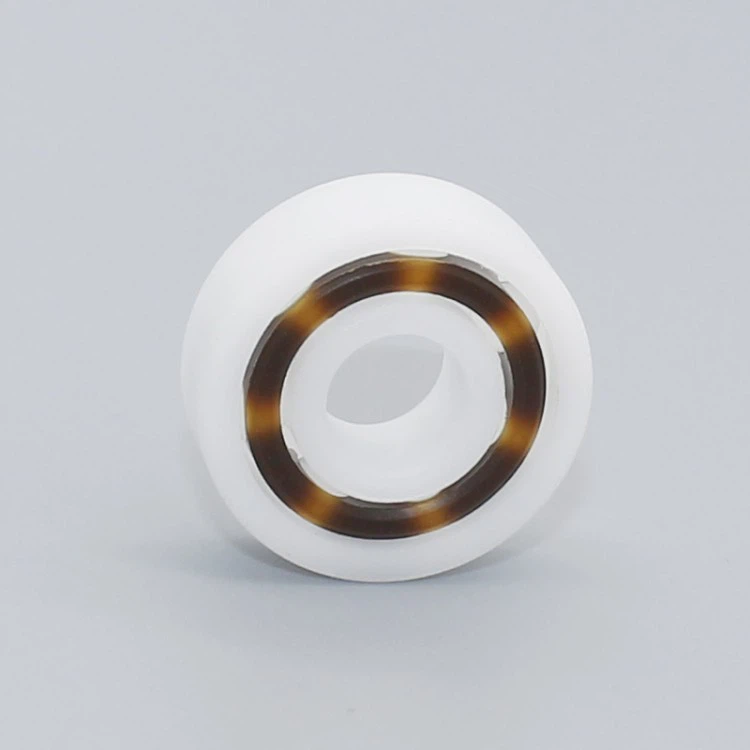
Factors Influencing the Lifespan of Plastic Bearings
The lifespan of plastic bearings is affected by a multitude of factors, including the operating conditions, the type of plastic material used, the design of the bearing, and the quality of manufacturing. Let's take a closer look at each of these factors:
Operating Conditions
The operating conditions play a significant role in determining the lifespan of plastic bearings. Factors such as temperature, humidity, speed, load, and the presence of chemicals or contaminants can all have a profound impact on the performance and durability of the bearings.
- Temperature: Plastic bearings have a limited temperature range within which they can operate effectively. High temperatures can cause the plastic material to soften, deform, or even melt, while low temperatures can make the plastic brittle and prone to cracking. It's important to select a plastic bearing that is suitable for the specific temperature conditions of your application.
- Humidity: Moisture can also affect the performance of plastic bearings. Some plastic materials are more resistant to moisture than others, and prolonged exposure to high humidity can cause the plastic to swell, warp, or degrade. In applications where moisture is a concern, it's advisable to choose a plastic bearing with good moisture resistance.
- Speed and Load: The speed and load at which the bearing operates can also influence its lifespan. Higher speeds and loads can generate more heat and stress, which can accelerate the wear and tear of the bearing. It's important to select a bearing that is rated for the specific speed and load requirements of your application.
- Chemicals and Contaminants: The presence of chemicals or contaminants in the operating environment can also have a negative impact on the lifespan of plastic bearings. Some chemicals can react with the plastic material, causing it to degrade or lose its mechanical properties. In applications where chemicals or contaminants are present, it's important to choose a plastic bearing that is resistant to the specific chemicals or contaminants.
Type of Plastic Material
The type of plastic material used in the bearing is another important factor that affects its lifespan. Different plastic materials have different properties, such as strength, stiffness, wear resistance, and chemical resistance, which can influence the performance and durability of the bearing.
- POM (Polyoxymethylene): POM is a popular plastic material for bearings due to its high strength, stiffness, and wear resistance. It also has good dimensional stability and low friction, making it suitable for a wide range of applications. POM Plastic Bearings typically have a long lifespan, especially in applications where there is moderate to high load and speed.
- Nylon: Nylon is another commonly used plastic material for bearings. It has good strength, toughness, and wear resistance, as well as excellent chemical resistance. Nylon Bearings are often used in applications where there is a need for low friction and quiet operation. However, nylon can absorb moisture, which can affect its dimensional stability and mechanical properties.
- Peek (Polyetheretherketone): Peek is a high-performance plastic material that offers excellent mechanical properties, chemical resistance, and thermal stability. It is often used in applications where there are extreme operating conditions, such as high temperatures, high loads, and exposure to chemicals. Peek Bearings have a very long lifespan and can withstand harsh environments.
Bearing Design
The design of the bearing can also have an impact on its lifespan. A well-designed bearing will distribute the load evenly, reduce friction, and minimize wear and tear. Some of the design features that can improve the lifespan of plastic bearings include:
- Proper Lubrication: Lubrication can help reduce friction and wear, which can extend the lifespan of the bearing. Some plastic bearings are self-lubricating, while others require external lubrication. It's important to follow the manufacturer's recommendations for lubrication to ensure optimal performance.
- Clearance: The clearance between the bearing and the shaft or housing can also affect the lifespan of the bearing. If the clearance is too small, the bearing may bind or overheat, while if the clearance is too large, the bearing may vibrate or wear prematurely. It's important to select a bearing with the appropriate clearance for your application.
- Sealing: Sealing can help protect the bearing from contaminants, moisture, and other environmental factors, which can extend its lifespan. Some plastic bearings are designed with seals or shields to prevent the entry of dirt and debris.
Manufacturing Quality
The quality of manufacturing can also have a significant impact on the lifespan of plastic bearings. A high-quality bearing will be made from a consistent and uniform plastic material, with precise dimensions and a smooth surface finish. Some of the factors that can affect the manufacturing quality of plastic bearings include:
- Material Selection: The selection of the plastic material is crucial for ensuring the quality and performance of the bearing. It's important to choose a high-quality plastic material that is suitable for the specific application requirements.
- Molding Process: The molding process used to manufacture the bearing can also affect its quality. A well-designed molding process will ensure that the bearing has a consistent and uniform shape, with minimal defects and blemishes.
- Quality Control: Quality control is essential for ensuring that the bearings meet the required specifications and standards. A reputable manufacturer will have a rigorous quality control process in place to inspect and test the bearings before they are shipped.
Typical Lifespans of Different Types of Plastic Bearings
The lifespan of plastic bearings can vary depending on the type of plastic material used, the operating conditions, and the design of the bearing. Here are some typical lifespans for different types of plastic bearings:
- POM Plastic Bearings: POM plastic bearings typically have a lifespan of 10,000 to 50,000 hours, depending on the operating conditions. In applications where there is moderate to high load and speed, the lifespan may be on the lower end of this range, while in applications where there is low load and speed, the lifespan may be on the higher end.
- Nylon Bearings: Nylon bearings typically have a lifespan of 5,000 to 20,000 hours, depending on the operating conditions. In applications where there is a need for low friction and quiet operation, the lifespan may be on the higher end of this range, while in applications where there is high load and speed, the lifespan may be on the lower end.
- Peek Bearings: Peek bearings typically have a lifespan of 50,000 to 100,000 hours, depending on the operating conditions. In applications where there are extreme operating conditions, such as high temperatures, high loads, and exposure to chemicals, the lifespan may be on the lower end of this range, while in applications where there are more moderate operating conditions, the lifespan may be on the higher end.
It's important to note that these are just typical lifespans, and the actual lifespan of a plastic bearing may vary depending on the specific application and operating conditions. In some cases, the lifespan of a plastic bearing may be significantly shorter or longer than the typical range.
Tips for Extending the Lifespan of Plastic Bearings
Here are some tips for extending the lifespan of plastic bearings:
- Choose the Right Bearing: Select a plastic bearing that is suitable for the specific application requirements, including the operating conditions, load, speed, and temperature. Consider the type of plastic material, the design of the bearing, and the quality of manufacturing.
- Proper Installation: Follow the manufacturer's recommendations for installation to ensure that the bearing is installed correctly. Improper installation can cause the bearing to bind, overheat, or wear prematurely.
- Lubrication: If the bearing requires external lubrication, use the recommended lubricant and follow the manufacturer's recommendations for lubrication frequency and amount. Lubrication can help reduce friction and wear, which can extend the lifespan of the bearing.
- Maintenance: Regular maintenance can help ensure that the bearing is operating properly and can detect any potential problems early. Check the bearing for signs of wear, damage, or contamination, and replace the bearing if necessary.
- Environmental Protection: Protect the bearing from contaminants, moisture, and other environmental factors. Use seals or shields to prevent the entry of dirt and debris, and avoid exposing the bearing to chemicals or other corrosive substances.
Conclusion
The lifespan of plastic bearings is influenced by a variety of factors, including the operating conditions, the type of plastic material used, the design of the bearing, and the quality of manufacturing. By understanding these factors and taking the appropriate steps to extend the lifespan of the bearings, you can ensure that your applications operate reliably and cost-effectively.
If you have any questions about the lifespan of plastic bearings or need help selecting the right bearing for your application, please don't hesitate to contact us. We are a leading supplier of plastic bearings and have extensive experience in providing high-quality bearings for a wide range of applications. We look forward to working with you to meet your bearing needs.
References
- "Plastic Bearings: Design, Materials, and Applications" by John W. Sutherland and J. Paulo Davim
- "Handbook of Plastics, Elastomers, and Composites" by Charles A. Harper
- "Engineering Plastics: Properties and Applications" by Donald V. Rosato and Dominick V. Rosato


