


When it comes to the realm of mechanical engineering, cam follower bearings play a pivotal role in ensuring the smooth operation of various machinery. As a trusted cam follower bearing supplier, I've witnessed firsthand the critical importance of understanding the deflection of cam follower bearings under load. In this blog post, I'll delve into the intricacies of this phenomenon, exploring its causes, effects, and practical implications.
Understanding Cam Follower Bearings
Before we dive into the topic of deflection, let's take a moment to understand what cam follower bearings are and how they function. Cam follower bearings, also known as track rollers, are specialized bearings designed to follow a cam's profile or track. They are commonly used in applications such as automotive engines, industrial machinery, and robotics, where they help convert rotary motion into linear motion or vice versa.
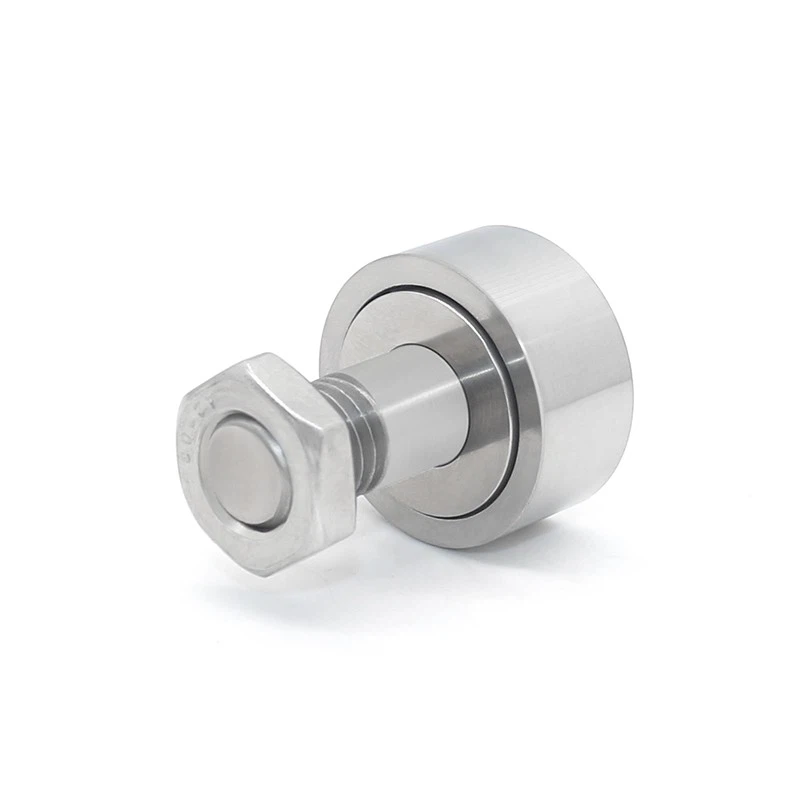
Cam follower bearings typically consist of an outer ring, an inner ring, rolling elements (such as balls or rollers), and a cage to retain the rolling elements. The outer ring of the bearing is designed to come into contact with the cam surface, while the inner ring is mounted on a shaft or other rotating component. As the cam rotates, the cam follower bearing follows its profile, transmitting the motion to the connected machinery.

What is Deflection?
Deflection refers to the deformation or displacement of a component under load. In the context of cam follower bearings, deflection occurs when the bearing is subjected to external forces, causing it to bend or deform. This can happen due to a variety of factors, including the magnitude and direction of the load, the geometry of the bearing, and the material properties of the bearing components.
Deflection is an important consideration in cam follower bearing design and application because it can affect the performance and lifespan of the bearing. Excessive deflection can lead to increased friction, wear, and noise, as well as reduced accuracy and reliability. On the other hand, too little deflection can result in insufficient contact between the bearing and the cam surface, leading to poor load distribution and premature failure.
Causes of Deflection in Cam Follower Bearings
There are several factors that can contribute to deflection in cam follower bearings. Let's take a closer look at some of the most common causes:
- Load Magnitude and Direction: The magnitude and direction of the load applied to the cam follower bearing have a significant impact on its deflection. Higher loads generally result in greater deflection, while loads applied at an angle can cause the bearing to bend or tilt.
- Bearing Geometry: The geometry of the cam follower bearing, including its diameter, width, and raceway profile, can also affect its deflection. Bearings with larger diameters and wider widths tend to be more resistant to deflection, while bearings with more complex raceway profiles may experience higher levels of deflection.
- Material Properties: The material properties of the bearing components, such as the hardness, strength, and elasticity of the steel, can influence the bearing's deflection characteristics. Bearings made from higher-quality materials with better mechanical properties are generally more resistant to deflection.
- Lubrication: Proper lubrication is essential for reducing friction and wear in cam follower bearings. Insufficient lubrication can increase the friction between the bearing and the cam surface, leading to higher levels of deflection and premature failure.
Effects of Deflection on Cam Follower Bearing Performance
Deflection can have a number of negative effects on the performance and lifespan of cam follower bearings. Some of the most common effects include:
- Increased Friction and Wear: Excessive deflection can cause the bearing to rub against the cam surface, increasing friction and wear. This can lead to premature failure of the bearing and the connected machinery.
- Reduced Accuracy and Reliability: Deflection can also affect the accuracy and reliability of the cam follower bearing. When the bearing deflects, it may not follow the cam profile precisely, leading to errors in the motion transmission and reduced performance of the machinery.
- Noise and Vibration: Deflection can cause the bearing to vibrate and produce noise, which can be a nuisance in some applications and may also indicate potential problems with the bearing or the machinery.
- Load Distribution: Deflection can affect the load distribution across the bearing, leading to uneven wear and stress concentrations. This can reduce the bearing's lifespan and increase the risk of failure.
Measuring and Controlling Deflection in Cam Follower Bearings
To ensure the optimal performance and lifespan of cam follower bearings, it's important to measure and control deflection. There are several methods for measuring deflection, including:
- Dial Indicators: Dial indicators are commonly used to measure the deflection of cam follower bearings. They work by contacting the bearing surface and measuring the displacement as the bearing is loaded.
- Strain Gauges: Strain gauges can be used to measure the strain in the bearing components, which can be used to calculate the deflection. Strain gauges are typically attached to the bearing surface and measure the change in electrical resistance as the bearing deforms.
- Finite Element Analysis (FEA): FEA is a computer-based simulation technique that can be used to analyze the stress and deflection of cam follower bearings under load. FEA can provide detailed information about the bearing's performance and help identify potential problems before they occur.
Once the deflection of the cam follower bearing has been measured, steps can be taken to control it. Some common methods for controlling deflection include:
- Selecting the Right Bearing: Choosing the right cam follower bearing for the application is crucial for minimizing deflection. Factors to consider when selecting a bearing include the load capacity, speed, and operating conditions.
- Proper Installation: Proper installation of the cam follower bearing is essential for ensuring its optimal performance. This includes ensuring that the bearing is correctly aligned, tightened to the appropriate torque, and lubricated properly.
- Load Management: Managing the load on the cam follower bearing can help reduce deflection. This can be achieved by using appropriate gearing, pulleys, or other mechanical components to distribute the load evenly.
- Lubrication Maintenance: Regular lubrication maintenance is essential for reducing friction and wear in cam follower bearings. This includes using the right type of lubricant, changing the lubricant at the recommended intervals, and ensuring that the bearing is properly lubricated.
Practical Applications of Cam Follower Bearings
Cam follower bearings are used in a wide range of applications across various industries. Some of the most common applications include:
- Automotive Engines: Cam follower bearings are used in automotive engines to control the opening and closing of the engine valves. They help convert the rotary motion of the camshaft into linear motion, which is used to actuate the valves.
- Industrial Machinery: Cam follower bearings are used in a variety of industrial machinery, such as conveyors, packaging machines, and printing presses. They help ensure the smooth operation of the machinery by following the cam profile and transmitting the motion to the connected components.
- Robotics: Cam follower bearings are used in robotics to control the movement of robotic arms and other components. They help provide precise and accurate motion control, allowing robots to perform complex tasks with high levels of efficiency and reliability.
- Aerospace: Cam follower bearings are used in aerospace applications, such as aircraft engines and landing gear systems. They help ensure the safe and reliable operation of the aircraft by withstanding high loads and extreme operating conditions.
Conclusion
In conclusion, understanding the deflection of cam follower bearings under load is essential for ensuring the optimal performance and lifespan of these critical components. By considering the factors that contribute to deflection, measuring and controlling it, and selecting the right bearing for the application, engineers and designers can minimize the negative effects of deflection and ensure the smooth operation of the machinery.
As a cam follower bearing supplier, I'm committed to providing high-quality bearings that are designed to withstand the rigors of demanding applications. If you're in the market for cam follower bearings, I encourage you to explore our product range, including the Cf10 Cam Follower and Cf12 Cam Follower. Our team of experts is also available to provide technical support and guidance to help you select the right bearing for your specific needs.
If you have any questions or would like to discuss your cam follower bearing requirements, please don't hesitate to contact us. We look forward to working with you to find the best solution for your application.
References
- Harris, T. A., & Kotzalas, M. N. (2007). Rolling Bearing Analysis. Wiley.
- ISO 16281:2014. Rolling bearings - Cam followers - Boundary dimensions and tolerances.
- SKF. (2021). Cam followers. Retrieved from [SKF official website]


