


Hey there! As a supplier of linear ball bearings, I often get asked about the installation tolerance for these nifty little components. So, let's dive right in and break it down.
First off, what are linear ball bearings? Well, they're crucial parts in a whole bunch of machinery. They help things move smoothly in a straight line, whether it's in a 3D printer, a CNC machine, or even some industrial automation setups. You can check out our LM16UU Bearing and LM10UU Bearing for some examples of the types of linear ball bearings we offer.
Now, onto the main topic - installation tolerance. Installation tolerance refers to the allowable variation in the dimensions and alignment when you're installing a linear ball bearing. It's super important because if the tolerance is off, it can cause all sorts of problems.
Why Installation Tolerance Matters
Let's say you're building a precision machine. If the linear ball bearing isn't installed within the right tolerance, it can lead to increased friction. That means more wear and tear on the bearing and other parts of the machine. Over time, this can reduce the lifespan of the bearing and might even cause the whole machine to break down.
On the flip side, if the tolerance is too loose, the bearing might not be held securely in place. This can result in rattling, vibrations, and inaccurate movement. In a machine that needs to be super precise, like a high - end 3D printer, this can lead to poor print quality.
Factors Affecting Installation Tolerance
There are several factors that can affect the installation tolerance of a linear ball bearing.
Shaft and Housing Dimensions
The dimensions of the shaft on which the bearing is mounted and the housing that holds the bearing are key. The shaft diameter needs to be within a certain range. If it's too big, the bearing might not fit at all. If it's too small, the bearing won't be held tightly enough. The same goes for the housing. The inner diameter of the housing should match the outer diameter of the bearing within the specified tolerance.
Surface Finish
The surface finish of the shaft and housing also matters. A rough surface can cause uneven stress on the bearing, leading to premature failure. A smooth surface helps the bearing move smoothly and reduces friction.
Alignment
Proper alignment is crucial. The shaft and housing need to be perfectly aligned. Even a slight misalignment can cause the bearing to wear unevenly. This is especially important in applications where the bearing has to move long distances.
Types of Installation Tolerance
There are two main types of installation tolerance: radial tolerance and axial tolerance.
Radial Tolerance
Radial tolerance refers to the allowable variation in the radial direction (perpendicular to the axis of the bearing). It's mainly related to the fit between the bearing and the shaft or housing. For example, a tight radial fit can provide better stability but might also increase the risk of over - stressing the bearing. A loose fit, on the other hand, can lead to play and reduced accuracy.
Axial Tolerance
Axial tolerance is about the allowable variation in the axial direction (along the axis of the bearing). It's important for applications where the bearing needs to move axially. If the axial tolerance is too tight, the bearing might not be able to move freely. If it's too loose, it can cause axial play, which can affect the performance of the machine.
How to Ensure Proper Installation Tolerance
Here are some tips to make sure you get the installation tolerance right.
Measure Twice, Install Once
Before installing the bearing, measure the shaft and housing dimensions carefully. Use precision measuring tools like calipers or micrometers. Make sure the dimensions are within the specified tolerance for the bearing you're using.
Use Alignment Tools
There are various alignment tools available in the market. Laser alignment tools, for example, can help you ensure that the shaft and housing are perfectly aligned. This can save you a lot of headaches in the long run.
Follow Manufacturer's Guidelines
Every linear ball bearing comes with a set of installation instructions from the manufacturer. These guidelines are based on extensive testing and research. Make sure you follow them to the letter.
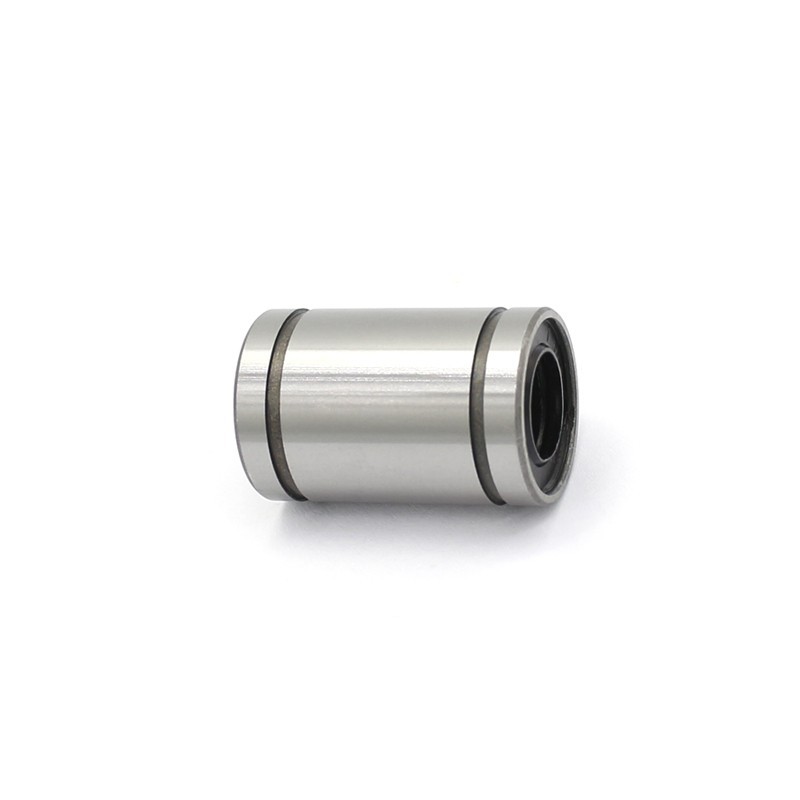

Our Linear Ball Bearings and Tolerance
At our company, we take installation tolerance very seriously. All our linear ball bearings, including the LM16UU Bearing and LM10UU Bearing, are manufactured to strict quality standards. We provide detailed specifications about the installation tolerance for each bearing type.
We also offer different types of linear ball bearings, such as Linear Roller Bearings. These have different installation requirements and tolerances, but we're always here to help you choose the right one for your application.
Contact Us for Your Linear Ball Bearing Needs
If you're in the market for linear ball bearings, we'd love to hear from you. Whether you're a small - scale hobbyist building a DIY project or a large - scale industrial manufacturer, we have the right bearings for you. We can also provide you with all the technical support you need to ensure proper installation and optimal performance.
So, don't hesitate to reach out to us. We're just a message away, ready to help you with your linear ball bearing requirements.
References
- "Bearing Installation and Maintenance Handbook", Industry Standard Publication
- "Precision Machinery Design", Academic Textbook on Machine Design


