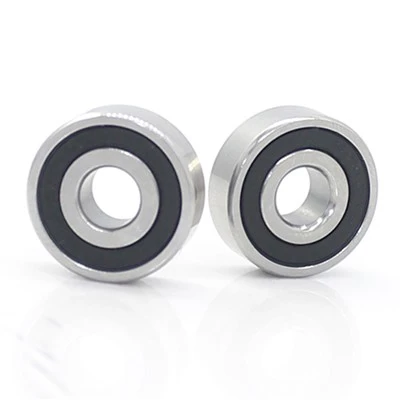
Hey there! I'm a supplier of GE50 Bearing, and today I want to chat about whether this bearing can be used in a low-temperature environment.
Let's start by understanding what the GE50 Bearing is all about. It's a type of radial spherical plain bearing, which are designed to handle both radial and axial loads. They're pretty versatile and are used in a wide range of industries, from automotive to heavy machinery.
Now, when it comes to low-temperature environments, there are a few factors we need to consider. First off, the material of the bearing plays a huge role. The GE50 Bearing is typically made from high-quality steel, which has its own set of properties when exposed to cold temperatures.
One of the main concerns in low temperatures is the change in the mechanical properties of the steel. As the temperature drops, steel can become more brittle. This means that it's more prone to cracking or breaking under stress. For the GE50 Bearing, this could be a big deal, especially if it's operating under heavy loads.
Another factor is the lubrication. Bearings need lubrication to reduce friction and wear. But in low temperatures, the viscosity of the lubricant can increase significantly. This thicker lubricant might not flow as easily through the bearing, which could lead to inadequate lubrication. As a result, the bearing could experience more friction, heat up, and ultimately fail prematurely.
However, it's not all doom and gloom. There are ways to make the GE50 Bearing work in low-temperature environments. For starters, selecting the right material is crucial. Specialized steels that are more resistant to cold embrittlement can be used. These steels are designed to maintain their toughness even at low temperatures, reducing the risk of cracking.
When it comes to lubrication, there are also low-temperature lubricants available. These lubricants are formulated to have a lower viscosity at cold temperatures, ensuring that they can still flow smoothly through the bearing and provide adequate lubrication.
I've also seen some cases where preheating mechanisms are used. These help to raise the temperature of the bearing to an acceptable level before it starts operating. This can help to prevent the negative effects of low temperatures on the bearing's performance.
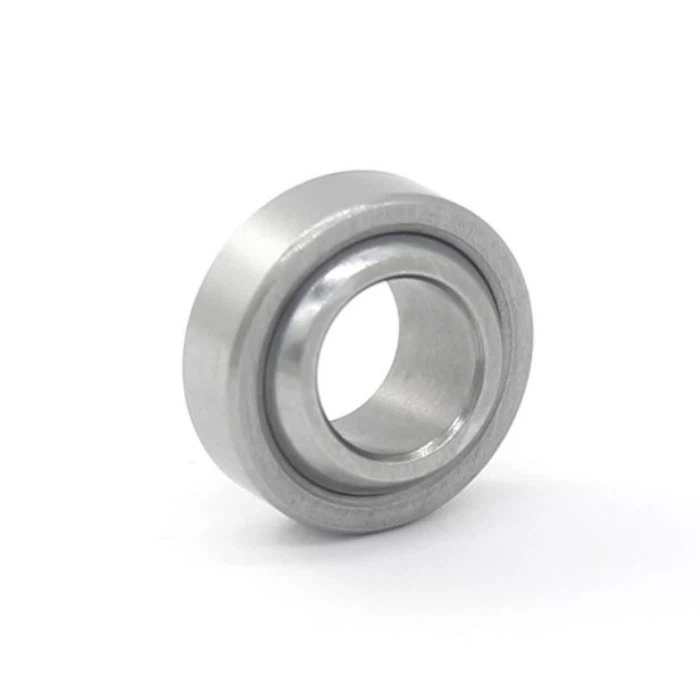

Let's compare the GE50 Bearing with the GE80 Bearing in this regard. The GE80 is a larger bearing, which means it has a different load - carrying capacity and heat - dissipation characteristics. In low - temperature environments, the larger size of the GE80 might give it an advantage in terms of heat retention. However, it also means that it requires more lubrication, and ensuring proper lubrication distribution can be more challenging.
In my experience as a supplier, I've had customers in cold regions like the Arctic and high - altitude areas where temperatures can drop to extremely low levels. Some of them were initially skeptical about using the GE50 Bearing in such conditions. But with the right material selection, lubrication, and pre - treatment, the GE50 has performed well in many of these applications.
One customer had a mining operation in a cold climate. They were using the GE50 Bearing in conveyor systems. At first, they faced some issues with the bearing's performance due to the cold. But after we recommended switching to a low - temperature lubricant and using a pre - heating system, the problems were resolved. The bearings are now running smoothly, and they've significantly reduced their maintenance costs.
So, can the GE50 Bearing be used in a low - temperature environment? The answer is yes, but it requires careful planning and the right approach. If you're considering using the GE50 Bearing in such an environment, here are some key takeaways:
- Choose the appropriate steel material that's resistant to cold embrittlement.
- Select a low - temperature lubricant to ensure proper lubrication.
- Consider using pre - heating mechanisms to start the bearing at a suitable temperature.
If you're interested in learning more about the GE50 Bearing or have a specific low - temperature application in mind, don't hesitate to reach out. We can have a detailed discussion about your needs and how we can make the GE50 work for you. Whether you're involved in the automotive, aerospace, or any other industry, we're here to help you get the most out of your bearings.
References
- Machinery's Handbook: A comprehensive guide to mechanical engineering, which provides in - depth information about bearing materials and their performance in different environments.
- Journal of Tribology: Research papers on the effects of low temperatures on bearing lubrication and material properties.