


Hey there! I'm a supplier of linear flange bearings, and today I'm gonna walk you through the process of replacing a linear flange bearing. Whether you're a DIY enthusiast or a professional in the field, this guide will help you get the job done right.
Why Replace a Linear Flange Bearing?
First off, you might be wondering why you'd need to replace a linear flange bearing in the first place. Well, over time, these bearings can wear out due to constant use, exposure to dirt and debris, or improper lubrication. When a bearing starts to fail, you might notice symptoms like increased noise, vibration, or reduced performance. Ignoring these signs can lead to more serious problems down the road, so it's best to replace the bearing as soon as you notice any issues.
Tools You'll Need
Before you start the replacement process, you'll need to gather a few tools. Here's what you'll need:
- Socket set: This will be used to remove the bolts holding the bearing in place.
- Wrench: You might need a wrench to loosen or tighten certain components.
- Screwdriver: A screwdriver will come in handy for removing any screws or fasteners.
- Lubricant: It's important to lubricate the new bearing before installing it to ensure smooth operation.
- Clean cloth: You'll need a clean cloth to wipe down the bearing and the surrounding area.
Step-by-Step Replacement Process
Now that you have all the necessary tools, let's get started with the replacement process.
Step 1: Prepare the Work Area
Before you start working on the bearing, make sure the work area is clean and free of any debris. This will help prevent any dirt or particles from getting into the bearing during the replacement process. You might also want to lay down a clean cloth or mat to protect the surface you're working on.
Step 2: Remove the Old Bearing
The first step in replacing the bearing is to remove the old one. Start by locating the bolts or screws that are holding the bearing in place. Use your socket set or screwdriver to remove these fasteners. Once the fasteners are removed, carefully lift the old bearing out of its housing. Be careful not to damage the housing or any other components in the process.
Step 3: Inspect the Housing
After removing the old bearing, take a close look at the housing to make sure it's in good condition. Look for any signs of damage, such as cracks or wear. If you notice any damage, you might need to replace the housing as well. You should also clean the housing thoroughly to remove any dirt or debris that might have accumulated inside.
Step 4: Choose the Right Replacement Bearing
Now it's time to choose the right replacement bearing. There are several different types of linear flange bearings available, including the LMH20UU Bearing, Round Flange Linear Bearing, and Square Flange Linear Bearing. Make sure you choose a bearing that is the right size and type for your application. You can refer to the manufacturer's specifications or consult with a professional if you're not sure which bearing to choose.
Step 5: Lubricate the New Bearing
Before installing the new bearing, it's important to lubricate it properly. Apply a thin layer of lubricant to the inside of the bearing to ensure smooth operation. Make sure you use the right type of lubricant for your bearing. You can refer to the manufacturer's recommendations or consult with a professional if you're not sure which lubricant to use.
Step 6: Install the New Bearing
Once the new bearing is lubricated, carefully place it into the housing. Make sure it's properly aligned and seated in the housing. Then, use your socket set or screwdriver to reinstall the bolts or screws that hold the bearing in place. Tighten the fasteners securely, but be careful not to over-tighten them as this can damage the bearing or the housing.
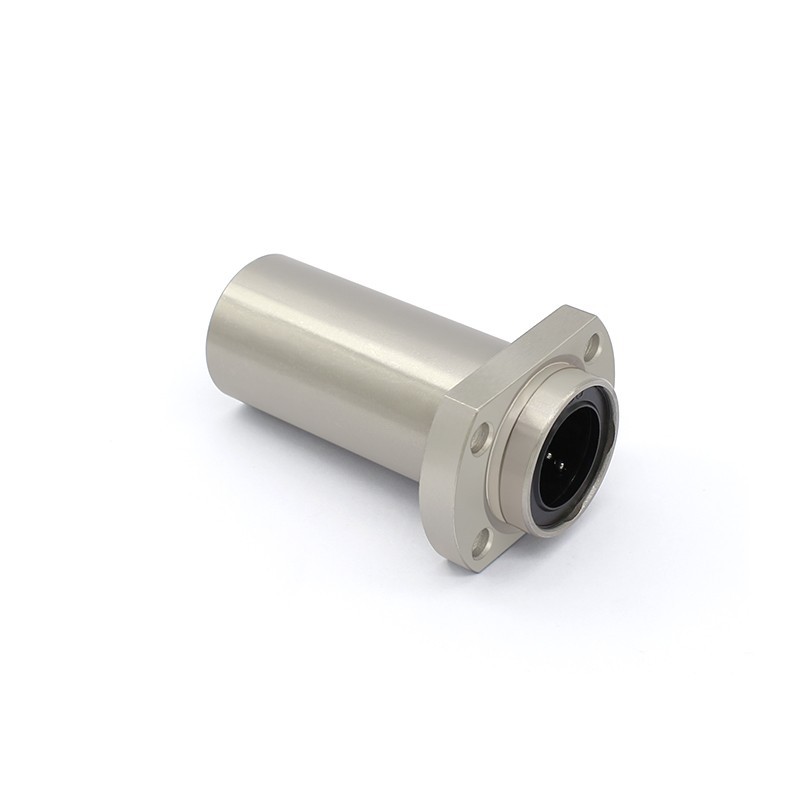

Step 7: Test the New Bearing
After installing the new bearing, it's important to test it to make sure it's working properly. Turn on the equipment and let it run for a few minutes to see if the bearing is operating smoothly. Listen for any unusual noises or vibrations. If you notice any problems, stop the equipment immediately and check the bearing installation.
Tips and Tricks
Here are a few tips and tricks to help you replace a linear flange bearing more easily:
- Take your time: Replacing a bearing can be a delicate process, so it's important to take your time and do it right. Rushing through the process can lead to mistakes and cause more problems down the road.
- Follow the manufacturer's instructions: Always follow the manufacturer's instructions when replacing a bearing. This will ensure that you're using the right tools and techniques and that the bearing is installed correctly.
- Use the right lubricant: Using the right lubricant is crucial for the proper operation of the bearing. Make sure you use the lubricant recommended by the manufacturer.
- Inspect the bearing regularly: To prevent future problems, it's a good idea to inspect the bearing regularly for signs of wear or damage. This will help you catch any issues early and replace the bearing before it fails.
Contact Us for Your Bearing Needs
If you're in the market for a new linear flange bearing, look no further! As a leading supplier of linear flange bearings, we offer a wide range of high-quality products to meet your needs. Whether you need a LMH20UU Bearing, Round Flange Linear Bearing, or Square Flange Linear Bearing, we've got you covered.
We pride ourselves on providing excellent customer service and competitive prices. Our team of experts is always available to answer your questions and help you choose the right bearing for your application. So, if you're ready to make a purchase or have any questions, don't hesitate to contact us. We look forward to working with you!
References
- Manufacturer's manuals for linear flange bearings
- Industry best practices for bearing replacement and maintenance


