


Shock loads are a critical factor in the performance and longevity of screw bearings. As a leading screw bearings supplier, we've witnessed firsthand the impact of shock loads on these vital components. In this blog, we'll explore how shock loads affect screw bearings, the signs of damage, and strategies to mitigate these effects.
Understanding Shock Loads
Shock loads occur when a bearing experiences a sudden and intense force. This can happen due to various reasons, such as machinery malfunctions, sudden stops or starts, or impacts from external objects. Unlike normal loads, which are typically steady and predictable, shock loads are short - lived but can be significantly higher in magnitude.
For screw bearings, which are often used in precision machinery and applications where smooth operation is crucial, shock loads can disrupt the delicate balance of forces within the bearing. The sudden increase in load can cause the rolling elements (balls or rollers) to deform, the raceways to experience excessive stress, and the lubrication to be temporarily displaced.
How Shock Loads Affect Screw Bearings
Material Deformation
One of the most immediate effects of shock loads on screw bearings is material deformation. The high - intensity force can cause the rolling elements to flatten or the raceways to dent. In the case of ball bearings, the balls may lose their perfect spherical shape, leading to uneven contact with the raceways. This uneven contact can result in increased friction, heat generation, and premature wear.
For example, if a screw bearing in a conveyor system experiences a shock load due to a sudden jam, the balls may be forced against the raceways with such force that they leave small indentations. These indentations can then cause vibrations and noise during operation, and over time, they can lead to more severe damage.

Lubrication Breakdown
Lubrication is essential for the smooth operation of screw bearings. It reduces friction, dissipates heat, and protects the bearing surfaces from wear. However, shock loads can disrupt the lubrication film that separates the rolling elements and the raceways.
When a shock load occurs, the high pressure can squeeze the lubricant out of the contact areas, leaving the metal surfaces in direct contact. This metal - to - metal contact can cause rapid wear and increase the risk of corrosion. Additionally, the displaced lubricant may not return to its proper position quickly enough, leading to extended periods of inadequate lubrication.
Fatigue and Cracking
Repeated shock loads can lead to fatigue in the bearing material. Fatigue occurs when the material is subjected to cyclic stress, causing microscopic cracks to form. Over time, these cracks can grow and eventually lead to the failure of the bearing.
In screw bearings, fatigue cracks can start at the surface of the raceways or the rolling elements. Once a crack forms, it can propagate under the influence of further shock loads and normal operating stresses. Eventually, the crack can cause the bearing to break apart, resulting in a complete system failure.
Noise and Vibration
Shock - loaded screw bearings often produce increased noise and vibration. The deformation of the rolling elements and raceways, as well as the disruption of the lubrication, can cause irregular motion within the bearing. This irregular motion translates into vibrations that can be felt throughout the machinery.
The noise generated by a shock - loaded bearing can range from a slight rattling to a loud, screeching sound. Excessive noise and vibration not only indicate potential bearing damage but can also affect the overall performance and safety of the machinery. For instance, in a high - precision manufacturing process, the vibrations from a damaged screw bearing can cause inaccuracies in the finished product.
Signs of Shock Load Damage in Screw Bearings
Visual Inspection
A visual inspection can reveal signs of shock load damage. Look for dents, scratches, or deformations on the rolling elements and raceways. In some cases, the bearing may show signs of discoloration due to excessive heat generated by friction.
If you notice any of these visual signs, it's important to replace the bearing as soon as possible to prevent further damage to the machinery.
Noise and Vibration Monitoring
Monitoring the noise and vibration levels of the machinery can also help detect shock load damage. Many modern industrial systems are equipped with sensors that can measure vibration and noise. An increase in these levels can be an early warning sign of bearing problems.
If the vibration or noise levels exceed the normal operating range, it's advisable to conduct a more detailed inspection of the screw bearings.
Mitigating the Effects of Shock Loads
Proper Bearing Selection
As a screw bearings supplier, we emphasize the importance of proper bearing selection. When choosing a screw bearing for an application, consider the potential for shock loads. Select bearings with a higher load - carrying capacity and better shock resistance.
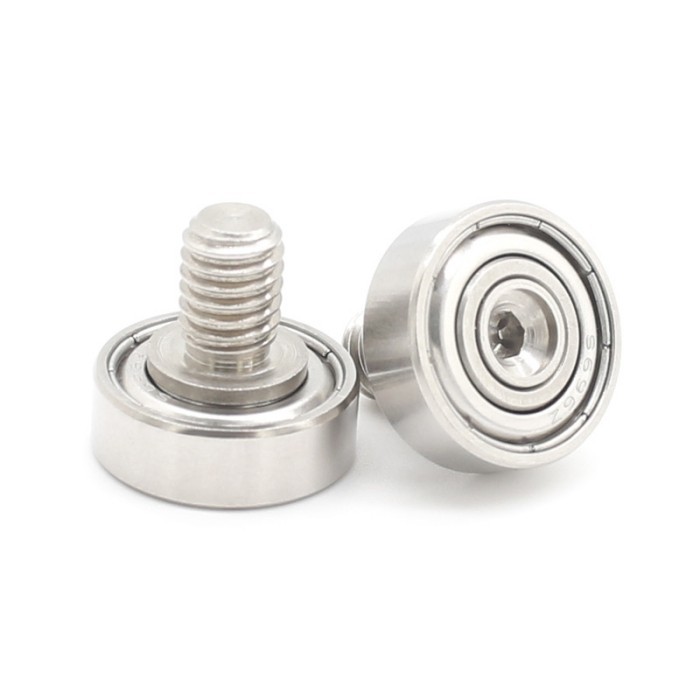
For example, Screw BearingsS609ZZ and Screw BearingsS696ZZ are designed to withstand a certain level of shock loads. These bearings are made from high - quality materials and have optimized internal geometries to distribute the load more evenly.
Shock Absorption Devices
Installing shock absorption devices can help reduce the impact of shock loads on screw bearings. These devices, such as dampers or springs, can absorb and dissipate the energy of the shock load before it reaches the bearing.
In a machine with a screw bearing, a shock absorber can be placed between the bearing housing and the machine frame. This way, when a shock load occurs, the shock absorber compresses and absorbs the energy, protecting the bearing from the full force of the impact.
Regular Maintenance and Lubrication
Regular maintenance is crucial for the health of screw bearings. This includes regular inspections, cleaning, and lubrication. By ensuring that the bearings are properly lubricated, you can reduce the risk of damage from shock loads.
Use high - quality lubricants that are suitable for the operating conditions of the bearing. Follow the manufacturer's recommendations for lubrication intervals and quantities. Additionally, during maintenance, check for any signs of wear or damage and replace the bearings if necessary.
Conclusion
Shock loads can have a significant impact on the performance and lifespan of screw bearings. As a screw bearings supplier, we understand the importance of providing high - quality bearings and offering solutions to mitigate the effects of shock loads.
By understanding how shock loads affect screw bearings, recognizing the signs of damage, and implementing appropriate mitigation strategies, you can ensure the reliable operation of your machinery. If you're facing issues with shock loads in your applications or need advice on selecting the right screw bearings, we're here to help. Contact us to discuss your specific requirements and start a procurement discussion.
References
- Harris, T. A., & Kotzalas, M. N. (2007). Rolling Bearing Analysis. Wiley.
- Palmgren, A. (1924). Die Lebensdauer von Kugellagern. Zeitschrift des Vereines Deutscher Ingenieure, 68(1), 339 - 341.
- Zaretsky, E. V. (2010). Ball and Roller Bearing Engineering. CRC Press.


