


Hey there! As a supplier of linear ball bearings, I often get asked about the linear motion accuracy of these nifty little components. So, I thought I'd take a few minutes to break it down for you.
First off, let's talk about what linear ball bearings are. Simply put, they're mechanical devices that enable smooth linear motion between two parts. They consist of a housing, balls, and a retainer, and they're used in a wide range of applications, from industrial machinery to 3D printers.
Now, onto the main topic: linear motion accuracy. This refers to how precisely a linear ball bearing can move along a straight path. There are several factors that can affect this accuracy, and I'll go over them one by one.
Ball Quality
The quality of the balls inside the bearing is crucial. High - quality balls are more spherical and have a more consistent diameter. This means they roll more smoothly and evenly, reducing the chances of wobbling or deviation from the straight path. Cheaper bearings might use lower - quality balls, which can lead to reduced linear motion accuracy over time. For example, if the balls have slight deformities, they won't roll as smoothly, and this can cause the bearing to move in a less - than - straight line.
Bearing Tolerance
Tolerance is another key factor. It refers to the allowable deviation from a perfect measurement. In the case of linear ball bearings, tight tolerances mean that the bearing is manufactured to very precise specifications. A bearing with a tight tolerance will have a more accurate linear motion because the components fit together more precisely. For instance, if the inner and outer races of the bearing have a tight tolerance, the balls have a more consistent path to roll on, which improves the overall accuracy of the linear motion.
Load Capacity
The load that a linear ball bearing can handle also impacts its linear motion accuracy. If you overload a bearing, it can cause the balls to deform or the races to wear unevenly. This, in turn, will lead to a decrease in linear motion accuracy. It's important to choose a bearing with the appropriate load capacity for your application. For example, in a heavy - duty industrial machine, you'll need a bearing with a high load capacity to ensure accurate linear motion under the stress of the heavy loads.
Lubrication
Proper lubrication is essential for maintaining linear motion accuracy. Lubricants reduce friction between the balls and the races, which helps the bearing move smoothly. Without adequate lubrication, the friction can cause the balls to wear out faster and can also lead to heat buildup. This heat can cause the bearing components to expand, which can affect the linear motion accuracy. So, make sure to use the right type of lubricant and keep the bearing well - lubricated.
Installation
How you install a linear ball bearing can make a big difference in its linear motion accuracy. If the bearing is not installed correctly, it can be misaligned, which will cause it to move in a crooked path. It's important to follow the manufacturer's installation instructions carefully. For example, make sure the mounting surface is flat and clean, and use the right tools to install the bearing.
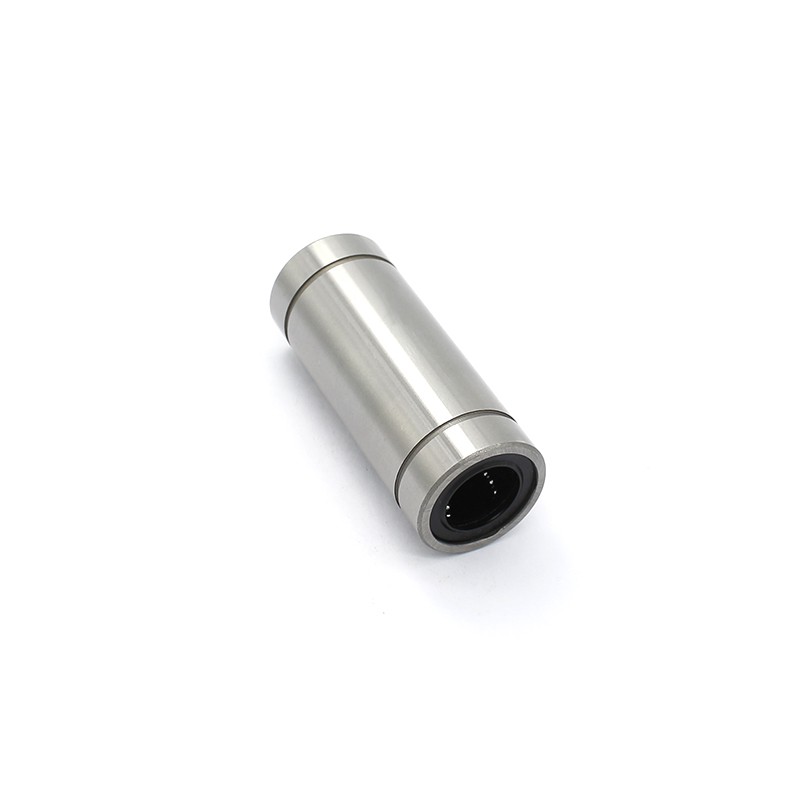

Now, let's take a look at some of the products we offer as a linear ball bearing supplier. We have the LM10UU Bearing, which is a popular choice for many applications. It's designed to provide high - precision linear motion and is suitable for light to medium loads.
Another great option is our Linear Roller Bearings. These bearings use rollers instead of balls, which can offer even higher load - carrying capacity and better linear motion accuracy in some cases. They're often used in heavy - duty industrial applications where precision is key.
We also have the LM16UU Bearing. This bearing is slightly larger than the LM10UU and can handle heavier loads while still maintaining good linear motion accuracy. It's a versatile option that can be used in a variety of applications.
When it comes to choosing the right linear ball bearing for your needs, it's important to consider all the factors I've mentioned above. Think about the load, the required accuracy, and the environment in which the bearing will operate. If you're not sure which bearing is right for you, don't hesitate to reach out to us. We have a team of experts who can help you make the best choice.
We understand that getting the right linear ball bearing with high linear motion accuracy is crucial for the success of your project. Whether you're building a small DIY machine or a large - scale industrial system, our bearings can provide the precision and reliability you need.
If you're interested in purchasing our linear ball bearings, or if you have any questions about linear motion accuracy or our products, we'd love to hear from you. Just start a conversation with us to discuss your requirements and get a quote. We're committed to providing you with the best products and services to meet your needs.
References
- "Mechanical Design Handbook" by Robert C. Juvinall and Kurt M. Marshek
- "Bearing Selection and Application" by SKF Group


