


Hey there! As a supplier of plastic bearings, I've seen firsthand how crucial it is to choose the right ones for your specific needs. In this blog post, I'm gonna share some tips and insights on how to make that choice.
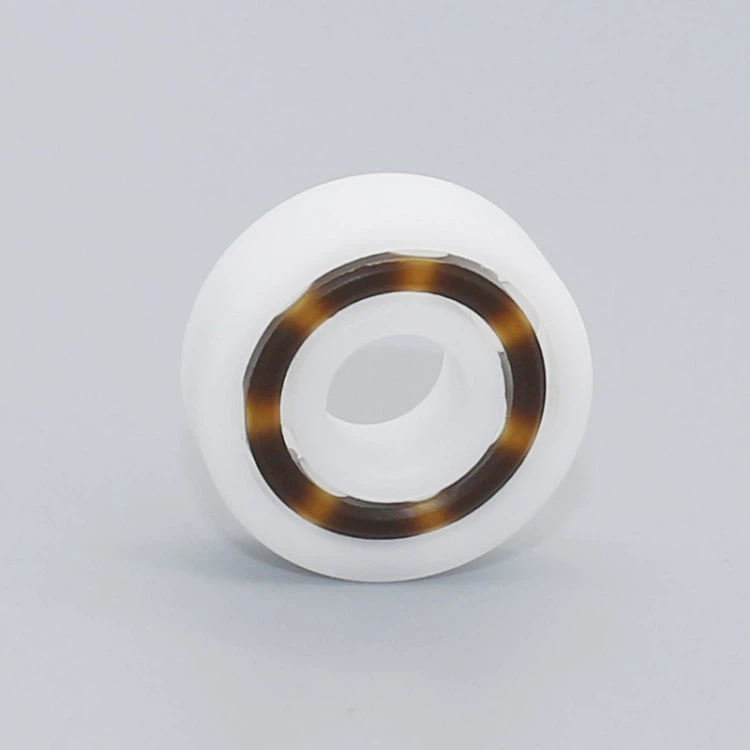

Understanding Your Application
The first step in choosing the right plastic bearings is to understand your application. What kind of environment will the bearings be operating in? What are the load requirements? How fast will the bearings be rotating? These are all important questions to ask.
For example, if you're working in a high - temperature environment, you'll need a plastic bearing that can withstand the heat. On the other hand, if you're dealing with a lot of moisture or chemicals, you'll want a bearing that is resistant to corrosion.
Let's break it down further based on different factors:
Temperature
Plastic bearings have different temperature limits. Some plastics can handle high temperatures, while others are more suitable for low - temperature applications. For instance, PEEK (Polyetheretherketone) is known for its excellent high - temperature performance. You can check out Peek Bearings for more details. It can operate at temperatures up to around 250°C, making it a great choice for applications like aerospace or industrial ovens.
On the contrary, some nylons are better for lower - temperature applications. They can become brittle at high temperatures, but they offer good performance in cooler environments. You can find more about Nylon Bearings on our website.
Load
The load that the bearing will need to support is another key factor. If you have a heavy - load application, you'll need a bearing with high strength. POM (Polyoxymethylene) plastic bearings are a great option for medium to high - load applications. They have good mechanical properties and can handle significant loads. You can learn more about POM Plastic Bearings on our site.
For light - load applications, a softer plastic might be sufficient. This can reduce costs and still provide the necessary performance.
Speed
The rotational speed of the bearing also matters. High - speed applications require bearings with low friction and good wear resistance. Some plastics are formulated to have a low coefficient of friction, which is ideal for high - speed rotation.
Types of Plastic Bearings
There are several types of plastic bearings available, each with its own set of properties and advantages.
POM Plastic Bearings
POM is a popular choice for plastic bearings. It has excellent dimensional stability, which means it maintains its shape even under load. It also has good wear resistance and low friction, making it suitable for a wide range of applications. POM bearings are often used in machinery, automotive parts, and consumer products. They can handle both radial and axial loads and are relatively easy to install.
Peek Bearings
As I mentioned earlier, Peek bearings are great for high - temperature and high - performance applications. They have high strength, chemical resistance, and can operate in harsh environments. Peek is also self - lubricating to some extent, which reduces the need for external lubrication. This makes it a popular choice in industries like aerospace, medical, and semiconductor manufacturing.
Nylon Bearings
Nylon bearings are known for their low cost and good shock absorption. They are often used in applications where noise reduction is important, such as in household appliances. Nylon can also be easily machined, which allows for custom - made bearings. However, it has limitations in terms of temperature and load capacity compared to POM and Peek.
Material Compatibility
It's important to consider the compatibility of the plastic bearing material with other components in your system. For example, if the bearing will be in contact with certain chemicals or lubricants, you need to make sure that the plastic material won't react negatively.
Some plastics are more resistant to chemicals than others. PEEK, for instance, has excellent chemical resistance and can withstand a wide range of solvents and acids. On the other hand, nylon can be affected by some chemicals, so it's important to choose the right type of nylon and to test its compatibility with your specific chemicals.
Cost Considerations
Cost is always a factor when choosing plastic bearings. Different types of plastic bearings have different price points. POM bearings are generally more affordable compared to Peek bearings. If your application doesn't require the high - performance properties of Peek, then POM might be a better choice from a cost perspective.
However, you also need to consider the long - term costs. A more expensive bearing with better performance and longer lifespan might save you money in the long run by reducing maintenance and replacement costs.
Manufacturer and Quality
The quality of the plastic bearings can vary depending on the manufacturer. It's important to choose a reliable supplier who has a good reputation for producing high - quality bearings. Look for a supplier who uses high - grade materials and has strict quality control measures in place.
At our company, we take pride in providing top - notch plastic bearings. We use advanced manufacturing techniques and conduct thorough quality checks to ensure that our bearings meet the highest standards.
Making the Decision
Now that you've considered all these factors, it's time to make a decision. Start by listing your application requirements, such as temperature, load, speed, and chemical compatibility. Then, compare the different types of plastic bearings based on these requirements.
If you're still unsure, don't hesitate to reach out to us. We have a team of experts who can help you choose the right plastic bearings for your specific needs. We can provide technical advice, samples, and even custom - made solutions.
In conclusion, choosing the right plastic bearings is a process that requires careful consideration of your application requirements, the properties of different plastic materials, and cost factors. By following these tips, you can make an informed decision and ensure that your bearings perform well in your system.
If you're interested in purchasing plastic bearings or have any questions, feel free to contact us. We're here to help you with your procurement needs and ensure that you get the best products for your applications.
References
- "Plastic Bearings: Design and Applications" by some industry experts.
- Technical data sheets from plastic material manufacturers.


