


Are plastic ball bearings durable? That's a question I get asked a lot as a supplier of plastic ball bearings. In this blog, I'll share my insights on the durability of plastic ball bearings, backed by my experience in the industry.
Understanding Plastic Ball Bearings
First off, let's talk about what plastic ball bearings are. They're made from various types of plastics, each with its own set of properties. Some common types include POM (Polyoxymethylene), Nylon, and Peek. You can learn more about these specific types by checking out POM Plastic Bearings, Nylon Bearings, and Peek Bearings.
Plastic ball bearings are used in a wide range of applications, from small household appliances to large industrial machinery. They offer several advantages over traditional metal bearings, such as being lightweight, corrosion-resistant, and having low noise levels. But the big question is, how durable are they?
Factors Affecting Durability
Material Quality
The quality of the plastic material used in the ball bearings plays a huge role in their durability. High-quality plastics are formulated to withstand wear and tear, as well as exposure to various environmental conditions. For example, POM plastic is known for its high stiffness and low friction, which makes it a great choice for applications where precision and durability are required. On the other hand, lower-quality plastics may break down more quickly, leading to premature failure of the bearings.
Load Capacity
Another important factor is the load capacity of the plastic ball bearings. Every bearing has a maximum load it can handle, and exceeding this limit can significantly reduce its lifespan. When choosing plastic ball bearings for an application, it's crucial to consider the actual load they'll be subjected to. If the load is too high, the bearings may deform or crack, causing them to fail.
Operating Conditions
The operating conditions also have a major impact on the durability of plastic ball bearings. Factors such as temperature, humidity, and the presence of chemicals can all affect the performance of the bearings. For instance, some plastics may become brittle at low temperatures, while others may swell or degrade when exposed to certain chemicals. It's important to select the right type of plastic ball bearings based on the specific operating conditions of the application.
Real-World Examples of Durability
I've seen many cases where plastic ball bearings have proven to be extremely durable. In a small electronics manufacturing plant, they replaced metal bearings with POM plastic ball bearings in their assembly line equipment. The plastic bearings were able to withstand the constant vibrations and moderate loads without any issues. After several years of operation, the bearings still showed minimal signs of wear, and the equipment continued to run smoothly.
In another example, a food processing company switched to nylon bearings in their conveyor systems. The nylon bearings were resistant to corrosion from the food products and cleaning agents used in the facility. They lasted much longer than the previous metal bearings, reducing maintenance costs and downtime.
Comparing with Metal Bearings
When it comes to durability, plastic ball bearings and metal bearings have their own pros and cons. Metal bearings, such as steel bearings, are generally more robust and can handle higher loads. They're also better suited for applications where high precision and high-speed operation are required. However, metal bearings are prone to corrosion, especially in harsh environments.

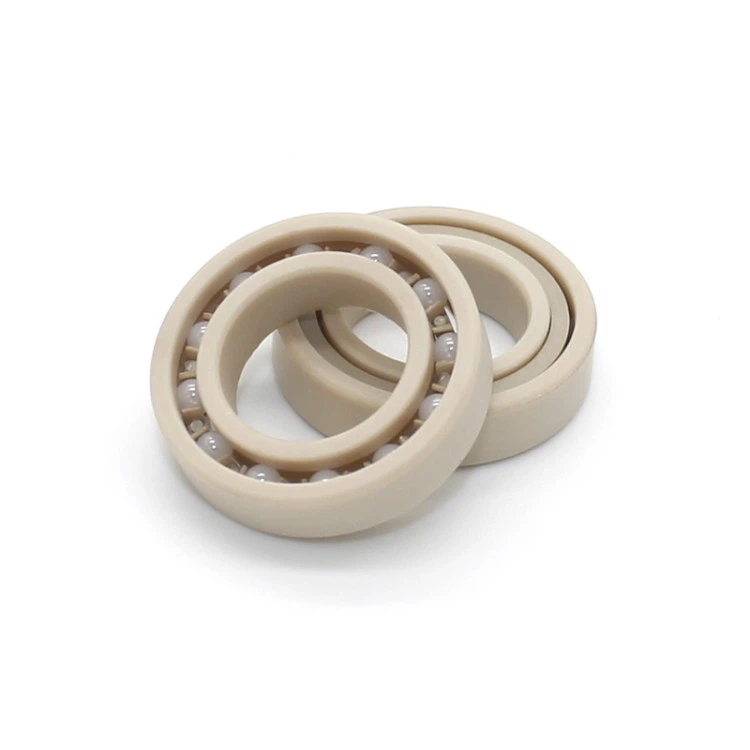
Plastic ball bearings, on the other hand, are more versatile in terms of their resistance to corrosion and chemicals. They can also be a cost-effective solution for many applications. While they may not have the same load capacity as metal bearings in some cases, they can still provide reliable performance in a wide range of operating conditions.
Tips for Ensuring Durability
If you're using plastic ball bearings, there are several things you can do to ensure their durability. First, make sure to install the bearings correctly. Improper installation can cause uneven loading and premature wear. Follow the manufacturer's instructions carefully and use the right tools.
Regular maintenance is also essential. Inspect the bearings periodically for signs of wear, such as cracks, deformation, or excessive noise. Clean the bearings and the surrounding area to prevent the accumulation of dirt and debris, which can cause abrasion and damage to the bearings.
Finally, choose the right type of plastic ball bearings for your application. Consider the load, operating conditions, and other factors mentioned earlier. If you're not sure which type of bearings to use, don't hesitate to consult with a professional or the supplier.
Conclusion
So, are plastic ball bearings durable? The answer is yes, but it depends on several factors. With the right material selection, proper installation, and regular maintenance, plastic ball bearings can provide long-lasting performance in a variety of applications. They offer a great alternative to traditional metal bearings, especially in situations where corrosion resistance, lightweight, and low noise are important.
If you're interested in learning more about plastic ball bearings or are looking to purchase them for your application, I'd love to have a chat with you. We can discuss your specific needs and find the best solution for you. Just reach out to us, and we'll be happy to assist you in your procurement process.
References
- "Plastic Bearings: Design, Materials and Applications" by various industry experts
- Manufacturer's technical documentation on plastic ball bearings


