


Yo! As a motor bearings supplier, I've got a ton of knowledge to share about these little but super important parts. Let's dig into the working principle of motor bearings.
First off, what are motor bearings for? Well, in a motor, there are rotating parts like the shaft. Motor bearings are there to support these rotating elements, reduce friction, and make sure the motor runs smoothly. Think of them as the unsung heroes that keep the motor from falling apart and help it work efficiently.
Now, let's talk about how they actually work. There are mainly two types of motor bearings: ball bearings and roller bearings, and we'll focus on ball bearings here as they're super common in motors.
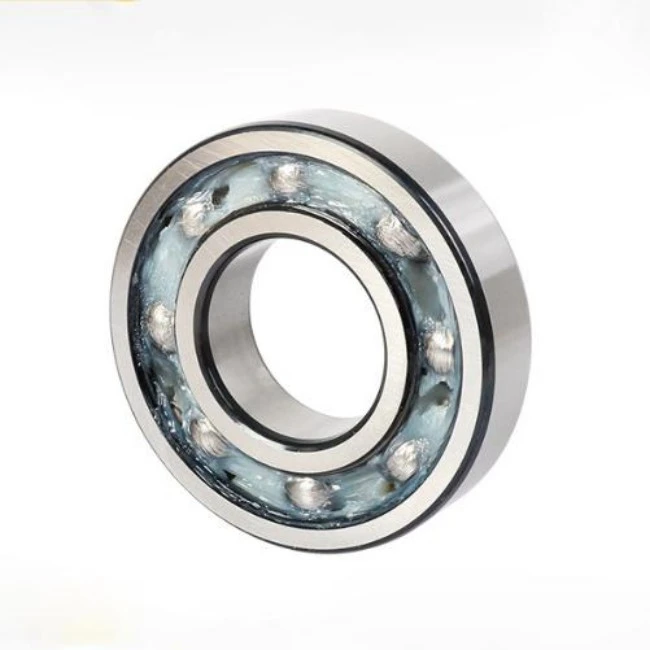
Ball bearings consist of three main parts: an inner ring, an outer ring, and a bunch of balls in between. The inner ring is usually mounted on the motor shaft, and the outer ring is fixed in the motor housing. The balls are what really make the magic happen.
When the motor shaft starts to rotate, the inner ring rotates along with it. The balls, which are held in place by a cage, roll between the inner and outer rings. This rolling motion is key because it reduces friction compared to if the inner and outer rings were just sliding against each other. You know, sliding creates a lot of heat and wear, but the rolling action of the balls cuts down on that significantly.
The cage that holds the balls is also important. It keeps the balls evenly spaced so they don't bunch up or collide with each other. This helps maintain a smooth and stable rotation.
Another cool thing about ball bearings is that they can handle both radial and axial loads. Radial loads are the forces that act perpendicular to the shaft, like the weight of the rotating parts. Axial loads, on the other hand, act parallel to the shaft. For example, in some motors, there might be a thrust force pushing the shaft in one direction. Ball bearings can deal with both types of loads, which makes them really versatile in different motor applications.
Now, let's take a look at some of the specific bearings we offer. We've got the Special Bearing 6905 - 2RS For Automotive Steering Systems. This bearing is designed specifically for automotive steering systems. In a steering system, precision is key. The 6905 - 2RS bearing has a high - precision design that allows for smooth and accurate steering. The 2RS part means it has rubber seals on both sides. These seals keep dirt and moisture out, which is crucial in an automotive environment. If dirt gets into the bearing, it can cause premature wear and failure, but with these seals, the bearing's lifespan is extended.
Then, there's the Electric Vehicle Specific Bearing 6203 - 2RS. Electric vehicles are becoming more and more popular these days. The 6203 - 2RS bearing is designed to meet the unique requirements of electric vehicle motors. Electric motors in EVs often operate at high speeds and have different load characteristics compared to traditional combustion - engine motors. This bearing is engineered to handle those high - speed rotations and specific load patterns. The rubber seals also protect it from contaminants in the EV's operating environment.
And don't forget the Automotive Tensioner Bearing 6206 2RS. In automotive engines, there are belts that need to be kept at the right tension. The automotive tensioner bearing 6206 2RS is used in the tensioner system. It ensures that the belt tension remains consistent, which is important for the proper functioning of the engine's accessories like the alternator, water pump, etc. The 2RS seals here also protect the bearing from the harsh conditions under the hood, such as oil, heat, and dirt.
To keep motor bearings in good shape, proper lubrication is essential. Lubricants like grease or oil are used to further reduce friction between the balls and the rings. They also help dissipate heat and prevent corrosion. But too much or too little lubrication can be a problem. Too much lubrication can cause the bearing to overheat, while too little can lead to increased wear and tear.
In addition to lubrication, the installation process also matters a lot. If the bearing is installed incorrectly, it can be misaligned. A misaligned bearing won't work as efficiently and will experience uneven wear. This can lead to noise, vibration, and eventually, bearing failure. So, when installing a motor bearing, it's important to follow the manufacturer's guidelines carefully.
As a motor bearings supplier, we understand the importance of providing high - quality bearings. Our bearings are made from top - notch materials and go through strict quality control processes. We know that a reliable bearing can make a big difference in the performance and lifespan of a motor.

If you're in the market for motor bearings, whether it's for automotive, industrial, or other applications, we've got you covered. We offer a wide range of bearings to meet different needs. And if you have any questions about which bearing is right for your specific application, our team of experts is here to help.
So, if you're interested in our motor bearings, don't hesitate to reach out. We're ready to have a chat and discuss your requirements. Whether you're a small - scale repair shop or a large - scale manufacturing plant, we can work with you to find the perfect bearings for your motors.
References:
- "Bearing Handbook" by SKF
- "Mechanical Design of Machine Elements and Machines: A Failure - Prevention Perspective" by Juvinall and Marshek
- Various technical documents from bearing manufacturers.


