


Hey there! As a supplier of PEEK pulleys, I often get asked about the storage conditions for these nifty little components. PEEK, or polyetheretherketone, is a high-performance thermoplastic known for its excellent mechanical properties, chemical resistance, and thermal stability. But like any material, it needs the right environment to maintain its quality over time. So, let's dive into what those storage conditions are.
Temperature
One of the most critical factors in storing PEEK pulleys is temperature. PEEK has a high glass transition temperature (around 143°C or 289°F) and a melting point of about 343°C (649°F). This means it can handle high temperatures without deforming easily. However, extreme heat can still affect its properties over time.
I recommend storing PEEK pulleys in a cool environment, ideally between 20°C and 25°C (68°F - 77°F). Avoid placing them near sources of heat, such as heaters, furnaces, or direct sunlight. High temperatures can cause the material to expand, which might lead to dimensional changes and affect the pulley's performance.
On the other hand, extremely cold temperatures can also be a problem. PEEK becomes more brittle at low temperatures, so storing it in a freezer or in an unheated warehouse during winter is a no-go. If the temperature drops below -40°C (-40°F), the risk of cracking or breaking increases significantly.
Humidity
Humidity is another important consideration. PEEK is relatively resistant to moisture, but excessive humidity can still cause issues. When PEEK absorbs moisture, it can swell slightly, which may affect its dimensions and mechanical properties.
Aim for a relative humidity level between 40% and 60%. You can use a hygrometer to monitor the humidity in your storage area. If the humidity is too high, you might want to use a dehumidifier to bring it down. Conversely, if it's too low, a humidifier can help maintain the right balance.
Light Exposure
PEEK is sensitive to ultraviolet (UV) light. Prolonged exposure to sunlight or other sources of UV radiation can cause the material to degrade, leading to discoloration, reduced mechanical strength, and surface cracking.
To protect your PEEK pulleys from UV light, store them in a dark place. If you need to keep them in a well-lit area, use opaque containers or covers to block out the light. This simple step can significantly extend the lifespan of your pulleys.
Chemical Exposure
PEEK is highly resistant to many chemicals, but it's not immune to all of them. Avoid storing PEEK pulleys near strong acids, bases, or solvents. These chemicals can react with the material, causing it to dissolve, swell, or lose its mechanical properties.
If you need to clean the pulleys, use a mild detergent and water. Avoid using harsh chemicals or abrasive cleaners, as they can damage the surface of the PEEK.
Physical Protection
In addition to environmental factors, you also need to protect the PEEK pulleys from physical damage. Store them in a way that prevents them from rubbing against each other or other hard objects. You can use individual containers or trays to keep them separated.
If you're shipping the pulleys, make sure they're properly packaged to prevent any damage during transit. Use cushioning materials, such as foam or bubble wrap, to protect them from impacts.
Specific Storage for Different Types of PEEK Pulleys
Now, let's talk about some specific storage considerations for different types of PEEK pulleys.
Sliding Door U Groove Rubber Pulley
The Sliding Door U Groove Rubber Pulley has a rubber component, which adds an extra layer of complexity to its storage. Rubber can degrade over time, especially when exposed to heat, light, and certain chemicals.
In addition to the general storage conditions for PEEK, make sure to keep the rubber part away from oils, greases, and ozone. Ozone can cause the rubber to crack, while oils and greases can soften it and affect its performance.
Non-standard U-shaped Rubber-coated Pulley Bearing S608ZZ
The Non-standard U-shaped Rubber-coated Pulley Bearing S608ZZ also has a rubber coating. Similar to the sliding door pulley, the rubber needs to be protected from environmental factors.
Moreover, the bearing part of the pulley is sensitive to dirt and dust. Make sure to store it in a clean environment to prevent any contaminants from getting into the bearing and affecting its operation.
S626RS Bearing Pulley
The S626RS Bearing Pulley has a sealed bearing, which provides some protection against dirt and moisture. However, it's still important to store it in a clean and dry environment.
Avoid exposing the bearing to excessive vibrations or shocks, as this can damage the internal components and reduce its lifespan.
Monitoring and Inspection
Once you've stored your PEEK pulleys, it's a good idea to monitor the storage conditions regularly. Check the temperature and humidity levels at least once a week, and make sure the pulleys are still in good condition.
Inspect the pulleys for any signs of damage, such as cracks, discoloration, or dimensional changes. If you notice any issues, take appropriate action, such as adjusting the storage conditions or replacing the damaged pulleys.
Conclusion
In conclusion, proper storage conditions are essential for maintaining the quality and performance of PEEK pulleys. By controlling the temperature, humidity, light exposure, and chemical exposure, and providing physical protection, you can ensure that your pulleys last for a long time.

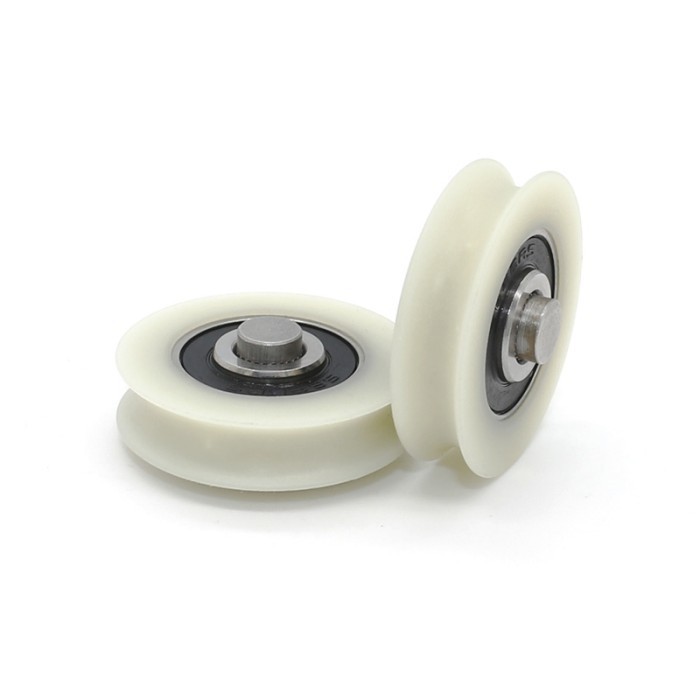
If you're in the market for high-quality PEEK pulleys, I'd love to chat with you. Whether you need standard or custom-made pulleys, we've got you covered. Just reach out, and we can discuss your specific requirements and get you the right products at the best prices.
References
- "PEEK: Properties and Applications" - A technical guide on PEEK materials.
- "Storage Guidelines for Plastics" - General guidelines for storing plastic components.


