


The temperature range for a thrust bearing to operate is a critical factor that significantly impacts its performance, reliability, and service life. As a trusted thrust bearing supplier, we understand the importance of providing our customers with in - depth knowledge about the optimal temperature conditions for these essential components.
Understanding Thrust Bearings
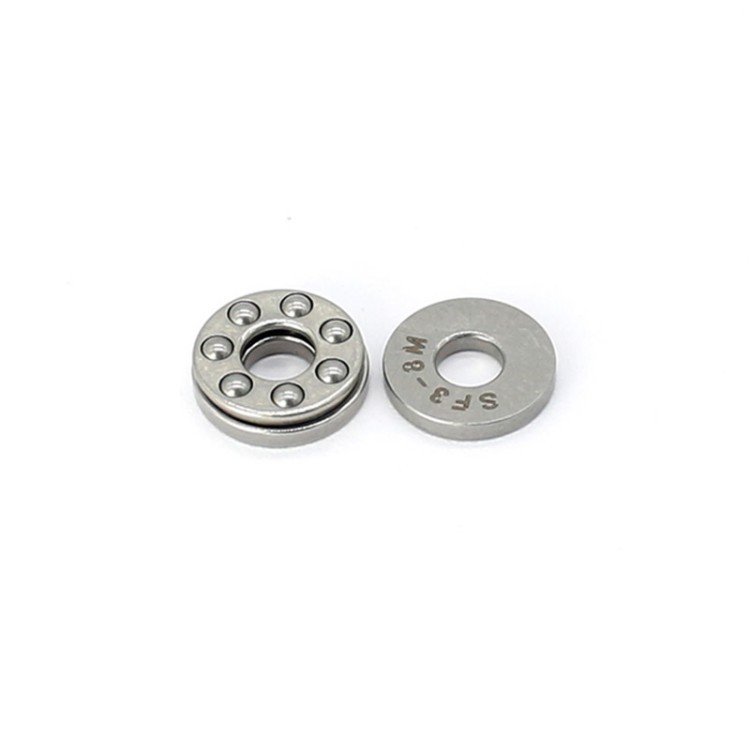
Thrust bearings are designed to handle axial loads, which act parallel to the axis of rotation. They are commonly used in various applications, including automotive transmissions, industrial machinery, and aerospace equipment. Different types of thrust bearings, such as Sealed Thrust Bearing, Combined Needle Roller Thrust Bearing, and Stainless Thrust Bearing, have unique characteristics and temperature requirements.
Ideal Temperature Range
The ideal temperature range for most standard thrust bearings typically falls between - 20°C to 120°C (- 4°F to 248°F). Within this range, the bearing materials can maintain their mechanical properties, and the lubrication used in the bearing can function effectively.
At lower temperatures, the viscosity of the lubricant increases. If the temperature drops too far below the recommended range, the lubricant may become so thick that it restricts the movement of the bearing components. This can lead to increased friction, higher torque requirements, and in extreme cases, seizure of the bearing. For instance, in cold - weather applications such as Arctic oil drilling equipment, special low - temperature lubricants must be used to ensure the proper operation of the thrust bearings.
On the other hand, as the temperature rises above the normal range, the lubricant may start to break down. The high temperature can cause the lubricant to lose its viscosity, reduce its film - forming ability, and increase the rate of oxidation. This can result in metal - to - metal contact between the bearing elements, leading to excessive wear, overheating, and eventually, bearing failure. In high - speed industrial machinery, such as turbines and electric motors, effective cooling systems are often required to keep the thrust bearings within the safe temperature range.
Factors Affecting Temperature Range
Load and Speed
The combination of load and speed has a significant impact on the operating temperature of a thrust bearing. Higher loads and speeds generate more heat due to increased friction between the bearing components. For example, in a high - performance automotive transmission, the thrust bearings are subjected to heavy axial loads and high rotational speeds. As a result, they tend to run hotter compared to those in a low - load, low - speed application, such as a household appliance.
Lubrication
The type and quality of lubrication play a crucial role in determining the temperature range for a thrust bearing. There are two main types of lubricants used in thrust bearings: oil and grease. Oil lubrication generally provides better heat dissipation and can handle higher speeds and loads. However, it requires a more complex lubrication system. Grease lubrication is simpler and more cost - effective, but it has a more limited temperature range. Some high - performance greases can operate at higher temperatures, but they still need to be carefully selected based on the specific application requirements.
Bearing Design
The design of the thrust bearing itself can also affect its temperature range. Bearings with advanced designs, such as improved internal geometries and better heat - transfer characteristics, can operate more efficiently and tolerate a wider temperature range. For example, a well - designed Combined Needle Roller Thrust Bearing may have a larger contact area and better load - distribution capabilities, which can help reduce heat generation.
Monitoring and Control
To ensure the reliable operation of thrust bearings, it is essential to monitor and control the operating temperature. There are several methods available for temperature monitoring, including the use of thermocouples, resistance temperature detectors (RTDs), and infrared thermometers. These sensors can be installed close to the bearing to provide real - time temperature data.
Once the temperature is monitored, appropriate control measures can be taken if the temperature exceeds the recommended range. For example, if the temperature is rising due to high loads, the operating conditions can be adjusted, such as reducing the speed or load. In cases where the heat is generated by poor lubrication, the lubricant can be replaced or the lubrication system can be optimized.
Specialized Thrust Bearings for Extreme Temperatures
In some applications, the operating temperature can be far beyond the normal range. For extreme cold environments, thrust bearings made from special materials with low - temperature properties can be used. These materials can maintain their ductility and strength at very low temperatures. For high - temperature applications, such as in furnace equipment or rocket engines, Stainless Thrust Bearing or bearings with ceramic components can be employed. These materials have excellent heat - resistance and can operate at temperatures well above 120°C.
Conclusion
As a thrust bearing supplier, we recognize that understanding the temperature range for thrust bearing operation is vital for our customers. By providing high - quality bearings, offering expert advice on temperature management, and supplying specialized bearings for extreme conditions, we aim to ensure the optimal performance and long - term reliability of our products.
Whether you are in the automotive industry, industrial manufacturing, or any other sector that relies on thrust bearings, we are here to assist you. If you have any questions about the temperature range for thrust bearings or need help selecting the right bearing for your application, please feel free to contact us for procurement and further discussions.

References
- Harris, T. A., & Kotzalas, M. N. (2007). Rolling Bearing Analysis. Wiley.
- Zaretsky, E. V. (1998). Ball and Roller Bearing Engineering. CRC Press.


