


Thrust bearings play a crucial role in various mechanical systems, as they are designed to support axial loads and ensure smooth rotation of components. Ensuring the proper alignment of a thrust bearing is essential for its optimal performance, longevity, and the overall efficiency of the machinery. As a trusted thrust bearing supplier, we understand the significance of correct alignment and are here to share some valuable insights on how to achieve it.
Understanding the Basics of Thrust Bearing Alignment
Before delving into the alignment process, it is important to have a clear understanding of what thrust bearing alignment entails. Alignment refers to the proper positioning of the bearing relative to the shaft and the housing. In a well - aligned thrust bearing, the bearing's axis of rotation should coincide with the axis of the shaft and the housing. Any misalignment can lead to uneven loading, increased friction, premature wear, and potential failure of the bearing.
There are two main types of misalignment that can occur with thrust bearings: angular misalignment and parallel misalignment. Angular misalignment happens when the axes of the shaft and the housing are not parallel, creating an angle between them. Parallel misalignment, on the other hand, occurs when the axes are parallel but offset from each other.
Pre - Installation Checks
Inspect the Bearing and Components
- Bearing Inspection: Before installation, thoroughly inspect the thrust bearing. Look for any signs of damage, such as cracks, pits, or corrosion on the raceways or rolling elements. Check the dimensional accuracy of the bearing according to the manufacturer's specifications. If any irregularities are found, do not install the bearing; instead, replace it with a new one. You can explore our range of high - quality Stainless Thrust Bearing for applications where corrosion resistance is required.
- Shaft and Housing Inspection: Examine the shaft and the housing where the bearing will be installed. The shaft should be straight, free of nicks or burrs, and have the correct diameter within the specified tolerance. Similarly, the housing bore should be smooth and of the right size. Any surface imperfections can cause local stress concentrations, leading to misalignment and premature bearing failure.
Measure and Mark
- Shaft and Housing Dimensions: Use precision measuring tools, such as micrometers and calipers, to measure the shaft diameter and the housing bore diameter. Compare these measurements with the bearing's inner and outer diameter specifications. This will help ensure a proper fit, which is essential for correct alignment.
- Alignment Markings: Mark the shaft and the housing with alignment reference points. These marks will serve as a guide during the installation process, making it easier to position the bearing accurately.
Installation Process
Mounting the Bearing on the Shaft
- Use the Right Tools: Select appropriate tools for mounting the bearing on the shaft. A hydraulic press or a bearing installer is often used to ensure a smooth and even installation. Make sure the tools are clean and in good working condition.
- Apply Even Pressure: When mounting the bearing, apply pressure evenly across the inner ring of the bearing. Avoid applying pressure on the outer ring, as this can cause misalignment. The bearing should be pushed onto the shaft until it is firmly seated against the shoulder or the specified axial position.
Installing the Bearing in the Housing
- Proper Insertion: Gently place the bearing into the housing bore. Ensure that the bearing is centered and aligned with the marks made on the housing. If the bearing is a Sealed Thrust Bearing, take extra care not to damage the seals during installation.
- Check the Fit: After inserting the bearing into the housing, check for a proper fit. There should be a slight clearance or pre - load, depending on the application requirements. Too much clearance can lead to excessive movement and misalignment, while too much pre - load can cause increased friction and heat generation.
Alignment Verification
Visual Inspection
- Check for Visible Misalignment: Once the bearing is installed, perform a visual inspection. Look for any signs of misalignment, such as uneven gaps between the bearing and the housing or the shaft. Check if the bearing is sitting straight and if the rolling elements are evenly distributed within the raceways.
- Alignment of Components: Ensure that all the associated components, such as gears, pulleys, and couplings, are also properly aligned with the bearing. Misaligned components can transfer additional forces to the bearing, causing misalignment and premature wear.
Precision Measurement Tools
- Dial Indicators: Use dial indicators to measure the radial and axial run - out of the bearing. Radial run - out refers to the deviation of the outer or inner ring from a perfect circle, while axial run - out refers to the deviation along the axis of the bearing. The readings from the dial indicators should be within the acceptable limits specified by the bearing manufacturer.
- Alignment Laser Systems: For more accurate and complex alignment tasks, alignment laser systems can be used. These systems project a laser beam onto the bearing and the associated components, allowing for precise measurement and adjustment of the alignment.
Adjustment and Correction
Shim Adjustment
- Adding or Removing Shims: If misalignment is detected, shims can be used to adjust the position of the bearing or the associated components. Shims are thin pieces of metal or other materials that can be placed between the bearing housing and the mounting surface. By adding or removing shims, the alignment can be fine - tuned to achieve the desired results.
- Gradual Adjustment: Make adjustments gradually and re - check the alignment after each adjustment. This will help prevent over - correction, which can also lead to problems.
Shaft and Housing Modification
- Machining: In some cases, if the misalignment is severe and cannot be corrected by shimming, the shaft or the housing may need to be machined. This should be done by a professional with the necessary skills and equipment to ensure that the dimensions and surface finish are maintained within the required tolerances.
Maintenance and Monitoring
Regular Lubrication
- Proper Lubrication Type: Use the appropriate lubricant for the thrust bearing. The lubricant reduces friction, dissipates heat, and protects the bearing from corrosion. Different types of bearings, such as Combined Needle Roller Thrust Bearing, may require specific types of lubricants.
- Lubrication Schedule: Follow a regular lubrication schedule. Over - lubrication or under - lubrication can both affect the alignment and performance of the bearing.
Vibration Analysis
- Monitoring Equipment: Install vibration monitoring equipment to detect any abnormal vibrations in the machinery. Excessive vibration can be an indication of misalignment or other problems with the bearing.
- Early Detection: By regularly monitoring the vibration levels, problems can be detected early, allowing for timely correction and preventing further damage to the bearing and the machinery.
Conclusion
Ensuring the proper alignment of a thrust bearing is a multi - step process that requires careful planning, precise installation, and regular maintenance. By following the steps outlined in this blog, you can improve the performance, reliability, and lifespan of your thrust bearings. As a dedicated thrust bearing supplier, we are committed to providing you with high - quality bearings and the necessary support to ensure their proper installation and alignment.

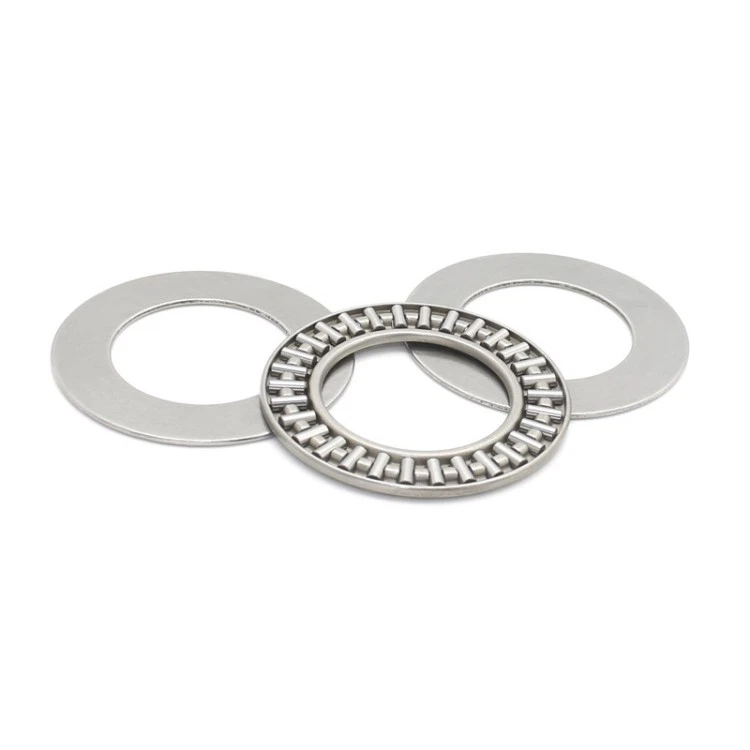
If you are in need of thrust bearings or have any questions regarding bearing alignment, we encourage you to contact us for a detailed discussion. Our team of experts is ready to assist you in finding the right solutions for your specific applications.
References
- Harris, T. A., & Kotzalas, M. N. (2007). Rolling Bearing Analysis. Wiley.
- Eschmann, P., Hasbargen, K. - H., & Weigand, H. (1998). Ball and Roller Bearings: Theory, Design, and Application. Springer.


