


Hey there! As a supplier of linear flange bearings, I've been getting a lot of questions lately about how to improve the linear motion smoothness of these bearings. So, I thought I'd put together this blog post to share some tips and methods that can help you achieve just that.
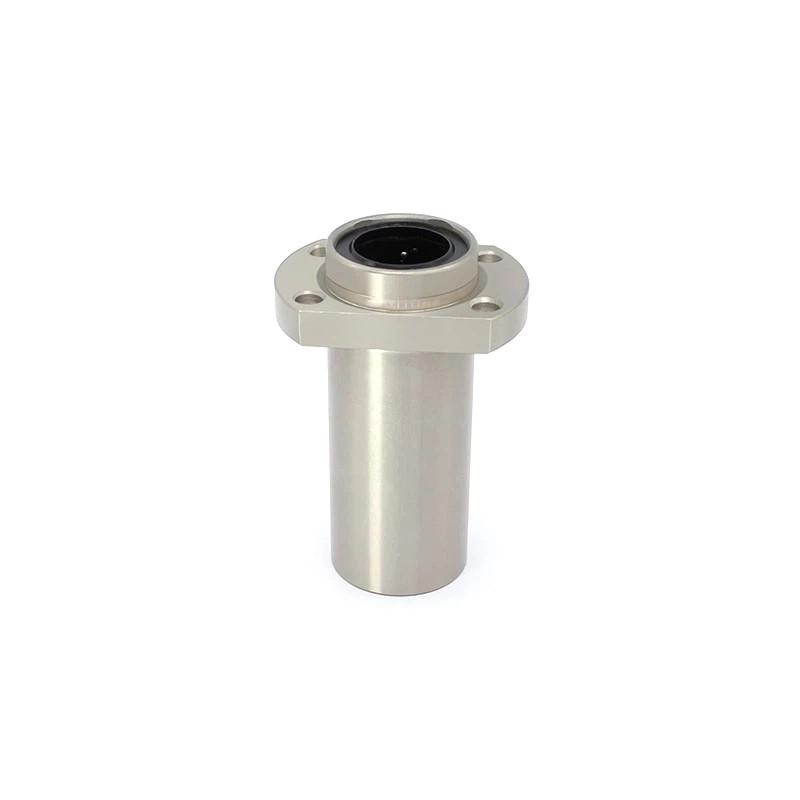
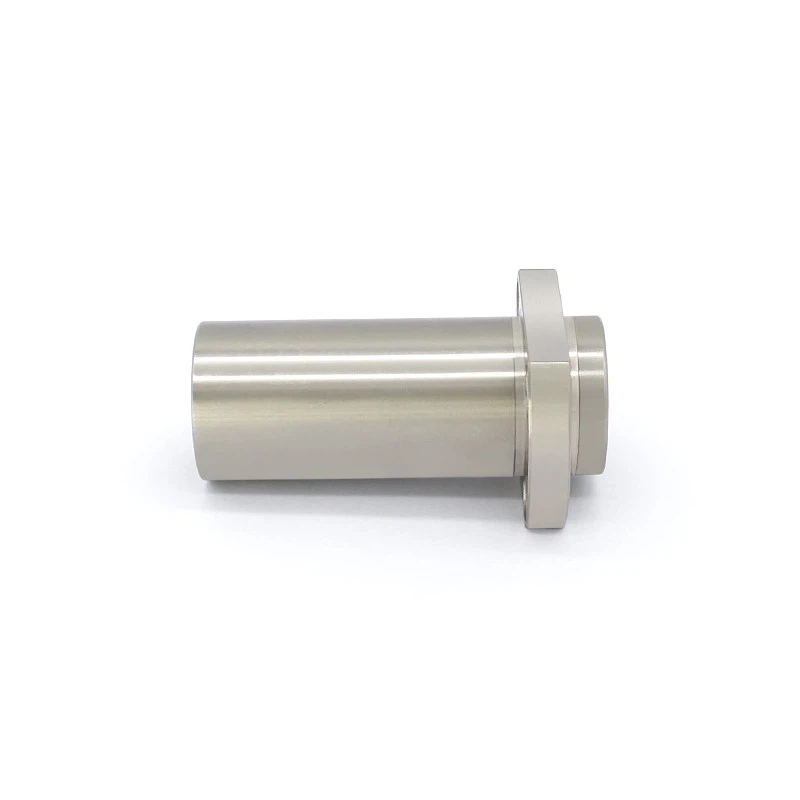
First off, let's talk about what linear flange bearings are. These bearings are designed to provide linear motion along a shaft. They come in different shapes, like round and square flanges, which offer various mounting options depending on your application. For example, if you're looking for a round - shaped one, you can check out our Round Flange Linear Bearing. And if a square - shaped flange suits your needs better, we've got the Square Flange Linear Bearing for you.
Now, let's dive into the methods to improve linear motion smoothness.
1. Proper Shaft Selection and Preparation
The shaft that the linear flange bearing runs on plays a huge role in the smoothness of the motion. You need to choose a shaft with the right diameter and surface finish. A shaft with a too - large or too - small diameter can cause the bearing to bind or have excessive play, which will definitely affect the smoothness.
The surface finish of the shaft is also crucial. A rough shaft surface can increase friction and wear on the bearing. So, make sure the shaft has a smooth surface. You can use grinding or polishing processes to achieve the desired surface finish. For instance, a shaft with a surface roughness of Ra 0.4 - 0.8 micrometers is often a good choice for most linear flange bearing applications.
2. Correct Installation
Installing the linear flange bearing correctly is a must. Any misalignment during installation can lead to uneven loading on the bearing, which in turn causes jerky motion. When mounting the bearing, make sure it is properly aligned with the shaft and the mounting surface.
Use the right tools for installation. For example, a press - fit installation should be done carefully to avoid damaging the bearing. If you're using a bearing like the LMH20UU Bearing, follow the manufacturer's installation instructions precisely.
3. Lubrication
Lubrication is one of the most important factors for smooth linear motion. It reduces friction between the bearing and the shaft, which not only improves smoothness but also extends the bearing's lifespan.
There are different types of lubricants available, such as grease and oil. Grease is easier to use and can stay in place for a longer time, while oil provides better heat dissipation and can be used in high - speed applications.
When choosing a lubricant, consider the operating conditions of the bearing. For high - temperature applications, you'll need a lubricant with good thermal stability. And for applications where there is a lot of dust or debris, a lubricant with good sealing properties can prevent contaminants from entering the bearing.
4. Maintenance
Regular maintenance is key to keeping the linear motion smooth. Check the bearing and the shaft regularly for signs of wear, damage, or contamination. If you notice any issues, address them immediately.
Clean the bearing and the shaft periodically to remove any dirt or debris that may have accumulated. You can use a mild solvent and a soft brush for cleaning. After cleaning, make sure to re - lubricate the bearing.
5. Load Management
Understanding and managing the load on the linear flange bearing is essential. Overloading the bearing can cause premature wear and reduce the smoothness of the motion.
Calculate the actual load that the bearing will experience in your application. This includes both the static and dynamic loads. Make sure to choose a bearing with a load - carrying capacity that can handle the expected loads. If the load is too high, you may need to consider using multiple bearings or a larger - sized bearing.
6. Environmental Considerations
The environment in which the linear flange bearing operates can also affect the smoothness of the motion. If the environment is dusty or has a lot of moisture, it can contaminate the bearing and cause problems.
You can use protective covers or seals to keep contaminants out of the bearing. For example, a rubber seal can prevent dust and moisture from entering the bearing. In a corrosive environment, you may need to choose a bearing made of corrosion - resistant materials.
7. System Design Optimization
Looking at the whole system design can also help improve the linear motion smoothness. Consider the overall layout of the components, the stiffness of the structure, and the way the loads are transferred.
A more rigid structure can reduce vibrations and deflections, which will contribute to smoother motion. You can also use damping elements in the system to absorb vibrations.
8. Bearing Material and Design
The material and design of the linear flange bearing itself can impact the smoothness. Different bearing materials have different properties, such as hardness, wear resistance, and friction coefficient.
For example, bearings made of high - quality steel or ceramic materials often offer better performance in terms of smoothness and durability. The internal design of the bearing, such as the number and arrangement of the rolling elements, can also affect the motion smoothness.
9. Monitoring and Feedback
Implementing a monitoring system can help you detect any issues with the linear motion early on. You can use sensors to measure parameters like vibration, temperature, and load.
If the sensors detect any abnormal values, you can take corrective actions before the problem gets worse. For example, if the vibration level increases, it may indicate a misalignment or a problem with the bearing.
In conclusion, improving the linear motion smoothness of a linear flange bearing requires a combination of proper shaft selection, correct installation, lubrication, maintenance, and considering various other factors. By following these methods, you can ensure that your linear flange bearing operates smoothly and efficiently.
If you're in the market for high - quality linear flange bearings or need more advice on improving linear motion smoothness, don't hesitate to get in touch with us. We're here to help you find the best solutions for your applications.
References
- "Handbook of Linear Motion Technology"
- "Bearing Engineering and Application Guide"


