


What are the import regulations for cam roller bearings? This is a question that often comes up among businesses involved in the international trade of industrial components. As a supplier of cam roller bearings, I've encountered various scenarios and inquiries regarding these regulations. In this blog, I'll delve into the key aspects of import regulations for cam roller bearings, sharing insights that can help both importers and exporters navigate this complex landscape.
Classification of Cam Roller Bearings for Import Purposes
Before delving into the specific import regulations, it's crucial to understand how cam roller bearings are classified. In most countries, these bearings fall under the category of machine parts or mechanical components. The Harmonized System (HS) code system is widely used globally to classify goods for customs purposes. Cam roller bearings typically have specific HS codes assigned to them, which can vary depending on factors such as their size, material, and intended use.
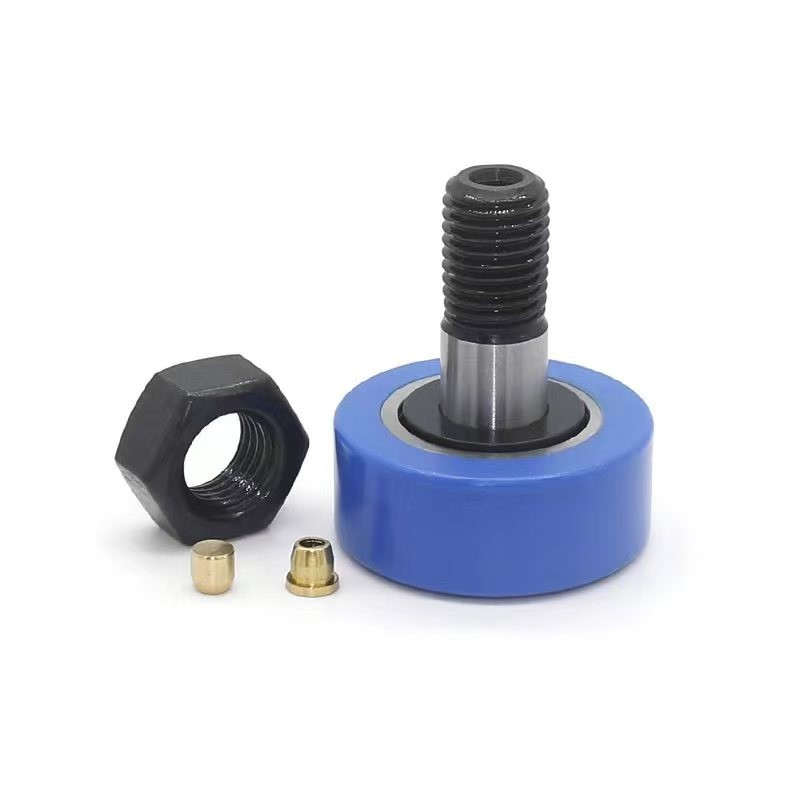
For example, some cam roller bearings made of high - precision steel and designed for automotive applications may have a different HS code compared to Polyurethane Cam Follower used in light - duty industrial machinery. It's essential for importers to accurately determine the HS code of the cam roller bearings they are importing, as this code will determine the applicable tariffs, duties, and regulatory requirements. Incorrect classification can lead to delays in customs clearance, additional fees, or even penalties.
Tariffs and Duties
Tariffs and duties are significant considerations when importing cam roller bearings. Different countries have their own tariff schedules, which can depend on several factors, including the country of origin, the HS code of the product, and any trade agreements in place.
Some countries may offer preferential tariffs or duty - free treatment for cam roller bearings imported from certain countries under free trade agreements. For instance, if there is a free trade agreement between the exporting and importing countries, the importer may be able to benefit from reduced or no tariffs on the bearings. On the other hand, if the bearings are imported from a country with which there are trade disputes or high - tariff policies, the cost of importing can be significantly higher.
It's also important to note that tariffs and duties are not static. They can change over time due to changes in government policies, economic conditions, or trade negotiations. Importers should stay updated on the latest tariff rates to accurately calculate the total cost of importing cam roller bearings.

Quality and Safety Standards
In addition to tariffs and duties, cam roller bearings are subject to various quality and safety standards in the importing country. These standards are in place to ensure the reliability and safety of the products used in different industries.
Many countries have specific standards for the materials used in cam roller bearings, such as the hardness, strength, and corrosion resistance of the steel or other materials. For example, bearings used in high - speed machinery may need to meet strict requirements for dimensional accuracy and surface finish to prevent premature wear and failure.
Safety standards are also crucial, especially for bearings used in applications where human safety is at stake, such as in elevators or heavy - duty construction equipment. These standards may include requirements for proper lubrication, load - carrying capacity, and the presence of safety features like seals and shields.
Importers need to ensure that the cam roller bearings they are importing comply with the relevant quality and safety standards of the importing country. This may involve obtaining certificates of compliance from the supplier, such as ISO 9001 quality management system certificates or specific product - related certifications.
Documentation Requirements
Proper documentation is essential for a smooth import process of cam roller bearings. The following are some of the key documents that importers typically need to provide:
- Commercial Invoice: This document contains details about the transaction, including the description of the cam roller bearings, the quantity, the price, and the terms of sale. It serves as proof of the value of the goods being imported.
- Bill of Lading or Airway Bill: This is a document issued by the carrier (shipping company or airline) that acknowledges the receipt of the goods for shipment. It includes information about the origin, destination, and the route of the shipment.
- Packing List: The packing list provides details about the packaging of the cam roller bearings, such as the number of boxes, the weight, and the dimensions of each package.
- Certificate of Origin: This document indicates the country where the cam roller bearings were manufactured. It is important for determining the applicable tariffs and for complying with rules of origin under trade agreements.
- Quality and Safety Certificates: As mentioned earlier, certificates demonstrating compliance with the relevant quality and safety standards of the importing country are required.
Failure to provide accurate and complete documentation can result in customs clearance delays or even the rejection of the shipment.
Environmental Regulations
In recent years, environmental regulations have become an increasingly important aspect of importing cam roller bearings. Many countries have regulations in place to limit the use of hazardous substances in industrial products.
For example, the Restriction of Hazardous Substances (RoHS) directive restricts the use of certain hazardous materials, such as lead, mercury, cadmium, and certain flame retardants, in electrical and electronic equipment. While cam roller bearings may not be strictly considered electrical or electronic equipment in all cases, some components or coatings used in the bearings may be subject to such regulations.
Importers need to ensure that the cam roller bearings they are importing comply with the environmental regulations of the importing country. This may involve obtaining declarations from the supplier regarding the absence of hazardous substances in the product.
Quotas and Import Licenses
In some cases, there may be quotas or import license requirements for cam roller bearings. Quotas limit the quantity of a particular product that can be imported into a country within a specified period. Import licenses are official documents issued by the government that authorize the import of a certain quantity of goods.
These measures are often implemented by governments to protect domestic industries, manage trade balances, or ensure the availability of essential goods. Importers need to check if there are any quota restrictions or import license requirements for cam roller bearings in the importing country and obtain the necessary approvals before making a purchase.
Working with a Customs Broker
Navigating the import regulations for cam roller bearings can be a complex and time - consuming process. Working with a professional customs broker can be a valuable solution. Customs brokers are experts in customs regulations and procedures. They can help importers with tasks such as:
- Accurate Classification: They can assist in determining the correct HS code for the cam roller bearings, ensuring that the importer pays the appropriate tariffs and duties.
- Documentation Preparation: Customs brokers can help prepare and submit all the necessary documentation in a timely and accurate manner, reducing the risk of customs clearance delays.
- Compliance with Regulations: They stay updated on the latest import regulations and can ensure that the importer complies with all relevant quality, safety, and environmental standards.
Conclusion
Importing cam roller bearings involves a multitude of regulations, including classification, tariffs, quality and safety standards, documentation requirements, environmental regulations, and potentially quotas and import licenses. As a supplier of cam roller bearings, I understand the challenges that importers face in navigating these regulations.
If you are an importer looking to source high - quality cam roller bearings, including Plastic Cam Followers, and need assistance with understanding the import regulations, I'm here to help. Feel free to reach out to discuss your requirements and start a procurement conversation. Whether you need help with product selection, compliance issues, or getting the best value for your money, I'd be glad to assist you.
References
- International Chamber of Commerce (ICC). (Year). Incoterms: Rules for the Interpretation of Trade Terms.
- World Customs Organization (WCO). (Year). Harmonized Commodity Description and Coding System.
- U.S. Customs and Border Protection (CBP). (Year). Importing into the United States: A Guide for Businesses.


