


Hey there! As a supplier of linear flange bearings, I've been getting a lot of questions lately about the linear motion precision adjustment method for these nifty little components. So, I thought I'd take a few minutes to break it down for you.
First things first, let's talk about what a linear flange bearing is. Simply put, it's a type of bearing that's designed to provide linear motion along a shaft. The flange part is what sets it apart from other types of linear bearings. It's a flat, protruding ring that helps to mount the bearing securely in place. This makes it ideal for applications where you need to keep the bearing stable and prevent it from moving around.
Now, why is precision adjustment so important when it comes to linear flange bearings? Well, in many industrial applications, even the slightest deviation in linear motion can lead to big problems. For example, in a manufacturing process, inaccurate linear motion can result in faulty products, wasted materials, and increased production costs. That's why getting the precision just right is crucial.
So, how do you go about adjusting the linear motion precision of a linear flange bearing? There are a few different methods, and I'll walk you through each one.
Method 1: Shimming
Shimming is one of the most common methods for adjusting the precision of linear flange bearings. It involves placing thin, flat pieces of material called shims between the bearing and its mounting surface. By adding or removing shims, you can fine - tune the position of the bearing and correct any misalignments.
The first step is to measure the existing clearance between the bearing and the mounting surface. You can use a feeler gauge for this. Once you have an accurate measurement, you can determine how many shims you need to add or remove. It's important to use high - quality shims that are made from a material that won't deform easily, like stainless steel.
When installing the shims, make sure they are clean and free of any debris. Place them evenly around the flange of the bearing. You may need to make a few adjustments and re - measure the clearance until you achieve the desired precision.
Method 2: Preloading
Preloading is another effective way to adjust the linear motion precision of a linear flange bearing. Preloading involves applying a force to the bearing to eliminate any internal clearance. This can improve the bearing's stiffness and reduce its tendency to vibrate or move out of position.
There are a few different ways to preload a linear flange bearing. One common method is to use a spring. You can place a spring between the bearing and its mounting surface. The spring will exert a constant force on the bearing, keeping it in place and reducing any play.
Another way to preload a bearing is by using a preload nut. This type of nut is designed to apply a specific amount of force to the bearing. You can adjust the preload by tightening or loosening the nut. Just be careful not to over - tighten the nut, as this can cause excessive wear on the bearing.
Method 3: Alignment
Proper alignment is essential for achieving high - precision linear motion with a flange bearing. Misaligned bearings can cause uneven wear, increased friction, and reduced performance.
To align a linear flange bearing, you'll need to use alignment tools. Laser alignment tools are very popular because they are highly accurate. You can use a laser to project a straight line along the shaft. Then, you can adjust the position of the bearing until it aligns with the laser line.
Another way to align a bearing is by using a dial indicator. A dial indicator can measure the deviation of the bearing from a reference point. You can use this measurement to make adjustments to the bearing's position until it is properly aligned.
Choosing the Right Bearing for Precision Applications
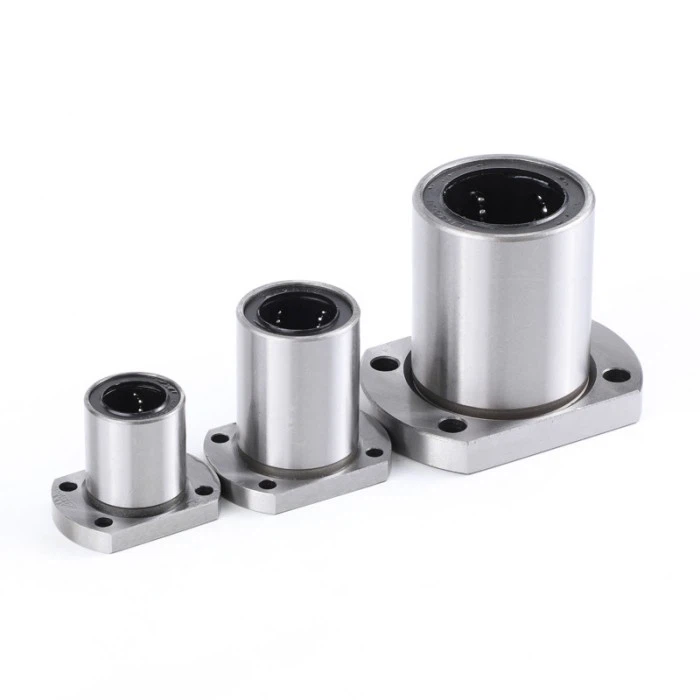
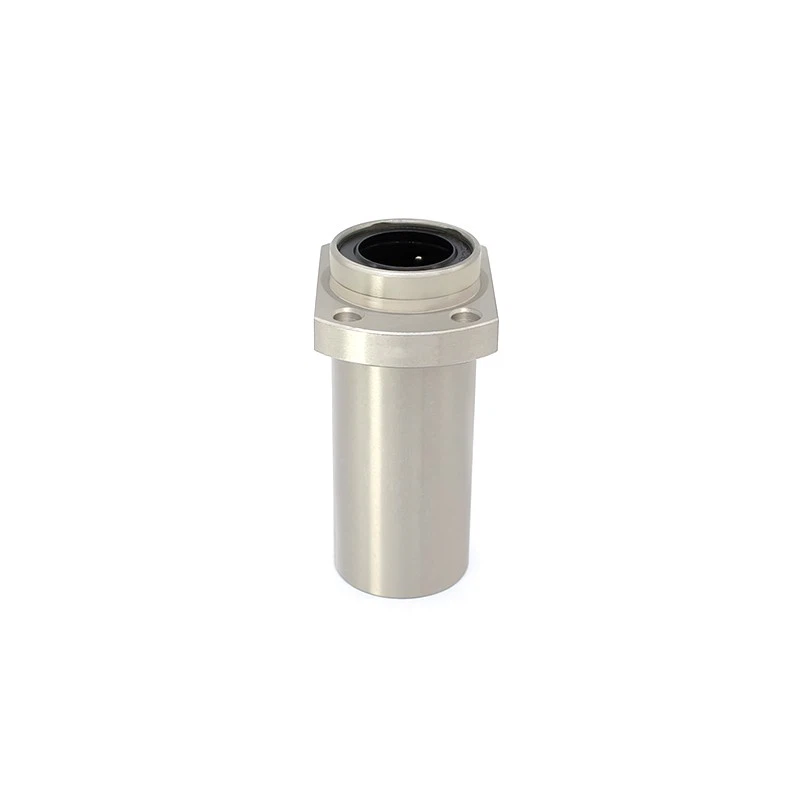
When it comes to precision linear motion, choosing the right linear flange bearing is just as important as the adjustment method. At our company, we offer a wide range of linear flange bearings, including the LMH20UU Bearing. This bearing is known for its high - quality construction and excellent performance.
We also have Round Flange Linear Bearing and Square Flange Linear Bearing options. The round flange design is great for applications where you need a more compact and lightweight solution, while the square flange provides a more stable mounting surface.
Tips for Maintaining Precision
Once you've adjusted the linear motion precision of your linear flange bearing, it's important to maintain it. Here are a few tips:
- Regular Inspection: Check the bearing regularly for signs of wear, damage, or misalignment. Look for things like excessive play, uneven wear on the raceways, or loose mounting bolts.
- Lubrication: Proper lubrication is crucial for the smooth operation of linear flange bearings. Use a high - quality lubricant that is suitable for your application. Make sure to follow the manufacturer's recommendations for lubrication intervals.
- Cleanliness: Keep the bearing and its surrounding area clean. Dirt and debris can cause premature wear and reduce the precision of the bearing. Use a clean, dry cloth to wipe the bearing and its mounting surface regularly.
In conclusion, adjusting the linear motion precision of a linear flange bearing is a crucial step in ensuring the optimal performance of your industrial equipment. By using methods like shimming, preloading, and alignment, you can achieve the high - precision linear motion that your application requires. And if you're in the market for a high - quality linear flange bearing, don't hesitate to reach out. We're here to help you find the perfect bearing for your needs and answer any questions you might have. Whether you're a small - scale manufacturer or a large industrial company, we've got the expertise and the products to support your operations. So, if you're interested in purchasing linear flange bearings or have any questions about precision adjustment, feel free to get in touch for a procurement discussion.
References
- "Bearing Handbook" by SKF
- "Mechanical Design Handbook" by Mark's


