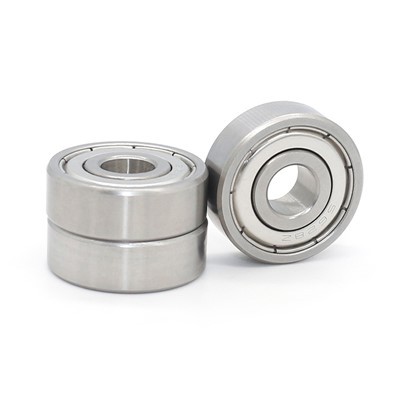
Yo, folks! I'm running a ball bearing supply biz, and one question I get a lot is, "What is the lifespan of a ball bearing?" Well, let's dig into this and find out what affects how long these little guys last.
First off, what the heck is a ball bearing anyway? It's a type of rolling - element bearing that uses balls to maintain the separation between the bearing races. This design helps reduce friction between moving parts, which is super important in all sorts of machinery.
Now, the lifespan of a ball bearing isn't set in stone. There are a bunch of factors that come into play. One of the biggies is the load it has to carry. If a ball bearing is constantly under a heavy load, it's going to wear out faster. Think of it like a human carrying a super - heavy backpack all day. Eventually, that person is going to get tired and start to break down. The same goes for ball bearings.
Another factor is the speed at which the bearing operates. High - speed applications put more stress on the balls and races. Faster rotation means more friction and heat, which can cause wear and tear on the bearing components. So, if you've got a bearing running at a crazy - high speed all the time, its lifespan is likely to be shorter.
The environment also plays a huge role. If a ball bearing is exposed to dirt, moisture, or corrosive substances, it's going to take a toll on its lifespan. For example, in a manufacturing plant where there's a lot of dust flying around, the bearings are at risk of having foreign particles get inside and damage the races or balls. Similarly, if a bearing is used in a humid or wet environment, it can rust, which also shortens its life.
On top of that, the quality of the bearing itself matters. Good - quality ball bearings are made with high - grade materials and precision manufacturing techniques. They're more likely to last longer under the same conditions as lower - quality bearings. As a ball bearing supplier, I always stress the importance of getting high - quality products. It may cost a bit more upfront, but it'll save you money in the long run.
Now, let's talk about some specific types of ball bearings. We've got Miniature Ball Bearings. These are pretty cool as they're smaller in size and are often used in applications where space is limited, like in some small electronics. The lifespan of these can vary depending on the load, speed, and environment they're in, just like regular - sized bearings. But because of their smaller size, they might be more sensitive to certain factors. For example, a small amount of dirt can have a bigger impact on a miniature ball bearing compared to a larger one.
Then there are the 6900 Series Deep Groove Ball Bearings. These are widely used in all sorts of machinery, from motors to appliances. They're designed to handle both radial and axial loads, which makes them versatile. But again, the lifespan can vary. If they're used in a high - speed motor, they'll need to handle more stress compared to being used in a low - speed appliance.
One special type is the High - Precision High - Speed Intelligent Dental Bearing S624ZZ. As the name suggests, it's used in dental equipment, where high precision and speed are crucial. These bearings have to meet very strict standards. They're often made with special materials to handle the high - speed rotations and the requirements of the dental environment. But still, just like any bearing, proper maintenance and operating conditions are key to ensuring a long lifespan.
So, how can we estimate the lifespan of a ball bearing? Well, there are some formulas and standards in the industry. One commonly used method is based on the fundamental dynamic load rating of the bearing. This rating gives an idea of how much load a bearing can handle for a certain number of revolutions before the first signs of fatigue appear. But remember, this is just an estimate. Real - world conditions can be very different from what the math predicts.
The best way to maximize the lifespan of a ball bearing is through proper maintenance. This includes regular lubrication, keeping the bearing clean, and checking for any signs of wear or damage. If you notice any strange noises or vibrations coming from the machinery with the bearing, it's important to check it out right away. Catching problems early can prevent further damage and extend the bearing's life.
As a ball bearing supplier, I've seen firsthand how different factors can affect the lifespan of these bearings. And I know that choosing the right bearing for your application is super important. If you're not sure which bearing is the best fit for your needs, don't hesitate to reach out. Whether you're in a small - scale DIY project or a large - scale industrial operation, I can help you find the right ball bearing at the best price.
So, if you're looking for high - quality ball bearings and want to discuss your requirements, just get in touch. We're here to provide top - notch products and excellent service to keep your machinery running smoothly for as long as possible.
References


- Machinery's Handbook by Industrial Press Inc.
- Bearing Selection and Application Guide by various bearing manufacturers.