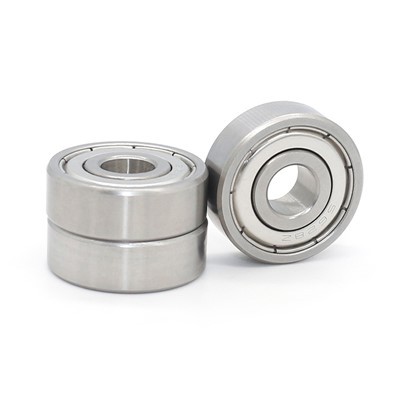
As a supplier of aircraft bearings, I often get asked about the inspection frequencies for these crucial components. Aircraft bearings play a vital role in the smooth operation of an aircraft, supporting various moving parts and ensuring safety and reliability. In this blog post, I'll dive into the factors that determine how often aircraft bearings should be inspected, share some general guidelines, and talk about the importance of regular checks.
Why Inspection Matters
Let's start with why we even care about inspecting aircraft bearings so much. These bearings are under a lot of stress. They have to deal with high speeds, heavy loads, and extreme temperatures. Over time, all this can cause wear and tear, corrosion, or other types of damage. If a bearing fails, it can lead to some pretty serious problems, like mechanical failures or even accidents. So, regular inspections are super important to catch any issues early and prevent major disasters.
Factors Affecting Inspection Frequencies
There isn't a one-size-fits-all answer when it comes to how often you should inspect aircraft bearings. A bunch of factors come into play, including:
1. Type of Bearing
Different types of bearings have different inspection needs. For example, ball bearings and roller bearings have different designs and functions, so they might wear out at different rates. Some bearings are used in more critical applications, like in the landing gear or the engine, and these usually need to be inspected more often.
2. Operating Conditions
The environment in which the aircraft operates has a big impact on bearing wear. If an aircraft is flying in harsh conditions, like extreme heat, cold, or high humidity, the bearings are more likely to degrade faster. Similarly, if the aircraft is used for frequent takeoffs and landings, the bearings will experience more stress and may need more frequent inspections.
3. Manufacturer's Recommendations
The bearing manufacturers usually provide guidelines on inspection frequencies. These are based on their research and testing, so it's a good idea to follow them. They take into account the design of the bearing, the materials used, and the expected operating conditions.
4. Flight Hours and Cycles
The number of flight hours and cycles an aircraft has completed is another important factor. Generally, the more hours an aircraft has flown or the more takeoff and landing cycles it has gone through, the more likely the bearings are to show signs of wear. So, as the flight hours and cycles increase, the inspection frequency may need to be increased as well.
General Inspection Frequency Guidelines
While it's hard to give exact inspection frequencies, here are some general guidelines based on the factors mentioned above:
Critical Bearings
Bearings used in critical applications, such as those in the engine or landing gear, typically need to be inspected after every few hundred flight hours. For example, some engine bearings may need to be inspected every 200 - 500 flight hours. These inspections are usually more thorough and may involve disassembling the bearing and using specialized equipment to check for damage.
Non - Critical Bearings
Bearings used in less critical areas, like in some of the auxiliary systems, may have a longer inspection interval. They might be inspected every 500 - 1000 flight hours or after a certain number of takeoff and landing cycles.
Our Product Offerings
As an aircraft bearing supplier, we offer a wide range of high - quality bearings to meet different needs. Check out some of our popular products:
- Low Noise Motor Bearing S628ZZ: This is a great choice for applications where noise reduction is important.
- Wheel Bearings 6202RS: Designed for reliable performance in wheel systems.
- Mini Deep Groove Ball Bearings 681: Ideal for applications where space is limited.
- Thin - walled Deep Groove Ball Bearings6904ZZ: These bearings offer a good balance between size and load - carrying capacity.
- S605 - 2rs Stainless Steel Bearings: Made of stainless steel, they are resistant to corrosion, which is great for harsh operating environments.
Importance of Regular Inspections
Regular inspections aren't just about preventing failures. They also help in extending the lifespan of the bearings. By catching small issues early, you can often make minor repairs or adjustments instead of having to replace the entire bearing. This can save a lot of money in the long run.
Moreover, inspections contribute to the overall safety and reliability of the aircraft. Airlines and aircraft operators have a responsibility to ensure that their planes are in top - notch condition, and proper bearing inspections are a key part of that.
How We Can Help
If you're in the market for aircraft bearings or need advice on inspection frequencies, we're here to help. Our team of experts has a wealth of knowledge and experience in the aviation industry. We can assist you in choosing the right bearings for your specific needs and provide you with guidance on how often to inspect them.


We understand that every aircraft is different, and we're committed to providing customized solutions. Whether you're a small private aircraft owner or a large airline, we have the products and expertise to meet your requirements.
So, if you're interested in learning more or want to start a conversation about your aircraft bearing needs, don't hesitate to reach out. We're looking forward to working with you to keep your aircraft flying safely and smoothly.
References
- Aircraft Maintenance Manuals
- Bearing Manufacturer's Technical Documents