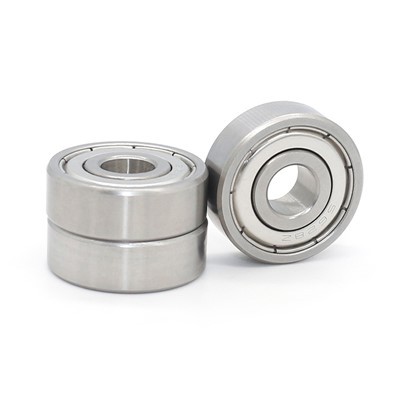
In the realm of railway applications, the choice of bearings is a critical decision that can significantly impact the performance, safety, and longevity of the entire system. Traditional steel bearings have long been the standard, but in recent years, ceramic bearings have emerged as a promising alternative. As a leading supplier of ceramic bearings, I am often asked whether these advanced components can be effectively used in railway applications. In this blog post, I will explore the potential of ceramic bearings in the railway industry, examining their advantages, challenges, and current applications.
Advantages of Ceramic Bearings in Railway Applications
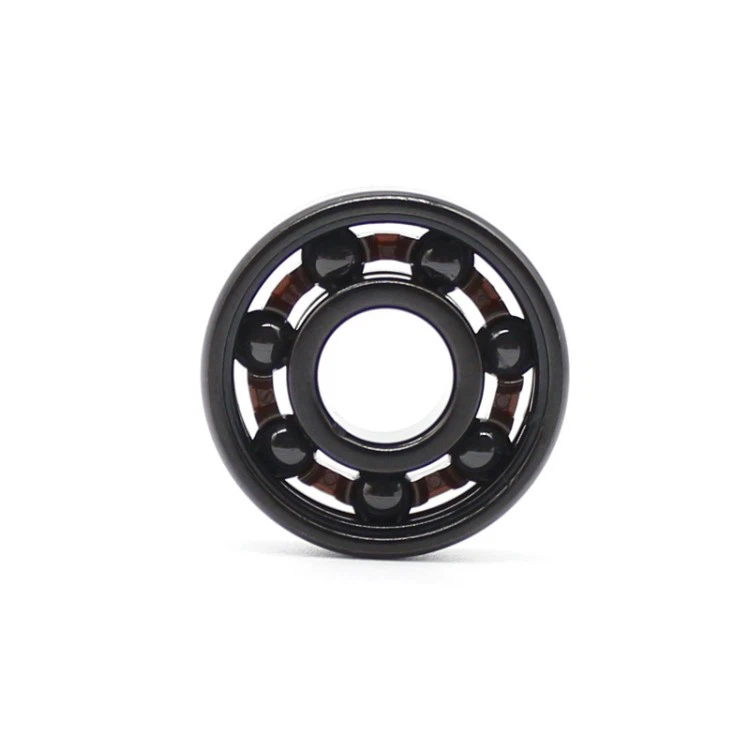
Ceramic bearings offer several key advantages that make them well-suited for railway applications. These benefits stem from the unique properties of ceramic materials, such as silicon nitride and zirconia, which are commonly used in the manufacturing of ceramic bearings.
1. High Hardness and Wear Resistance
Ceramic materials are extremely hard, with a hardness rating that is significantly higher than that of steel. This high hardness translates into excellent wear resistance, allowing ceramic bearings to withstand the high loads and stresses typically encountered in railway applications. As a result, ceramic bearings can have a longer service life than traditional steel bearings, reducing the need for frequent replacements and maintenance.
2. Low Friction and Energy Efficiency
Ceramic bearings have a lower coefficient of friction than steel bearings, which means that they require less energy to operate. This reduced friction can lead to significant energy savings, especially in high-speed railway applications where energy consumption is a major concern. Additionally, the lower friction also results in less heat generation, which can help to extend the life of the bearing and other components in the system.
3. Corrosion Resistance
Ceramic materials are highly resistant to corrosion, making them ideal for use in harsh environments where steel bearings may be prone to rust and degradation. In railway applications, ceramic bearings can withstand exposure to moisture, chemicals, and other corrosive substances, ensuring reliable performance even in challenging conditions.
4. Lightweight
Ceramic bearings are typically lighter than steel bearings, which can help to reduce the overall weight of the railway system. This weight reduction can lead to improved fuel efficiency, lower operating costs, and reduced wear and tear on other components in the system.
5. High Temperature Resistance
Ceramic materials have excellent high-temperature resistance, allowing ceramic bearings to operate at elevated temperatures without experiencing significant degradation in performance. This makes them suitable for use in applications where high temperatures are generated, such as in high-speed trains or in braking systems.
Challenges of Using Ceramic Bearings in Railway Applications
While ceramic bearings offer many advantages, there are also some challenges associated with their use in railway applications. These challenges must be carefully considered and addressed to ensure the successful implementation of ceramic bearings in the railway industry.
1. High Cost
One of the main challenges of using ceramic bearings in railway applications is their high cost. Ceramic materials are more expensive than steel, and the manufacturing process for ceramic bearings is also more complex and costly. As a result, ceramic bearings can be significantly more expensive than traditional steel bearings, which can make them less attractive for some railway operators.
2. Brittle Nature
Ceramic materials are brittle, which means that they are more prone to cracking and fracturing than steel. This can be a concern in railway applications, where the bearings are subjected to high loads and impacts. To mitigate this risk, ceramic bearings must be carefully designed and manufactured to ensure that they can withstand the expected loads and stresses without failing.
3. Limited Availability
Another challenge of using ceramic bearings in railway applications is their limited availability. Ceramic bearings are not as widely used as steel bearings, and there may be a limited number of suppliers who can provide the specific types and sizes of ceramic bearings required for railway applications. This can make it difficult for railway operators to source the bearings they need in a timely and cost-effective manner.

4. Compatibility with Existing Systems
When considering the use of ceramic bearings in railway applications, it is important to ensure that they are compatible with the existing systems and components. This may require modifications to the design or installation of the bearings, as well as changes to the lubrication and maintenance procedures. Failure to ensure compatibility can result in reduced performance, increased wear and tear, and even premature failure of the bearings.
Current Applications of Ceramic Bearings in the Railway Industry
Despite the challenges, ceramic bearings are already being used in a variety of railway applications, where their unique properties are providing significant benefits. Some of the current applications of ceramic bearings in the railway industry include:
1. High-Speed Trains
In high-speed trains, ceramic bearings are being used in the traction motors and gearboxes to reduce friction and improve energy efficiency. The high hardness and wear resistance of ceramic bearings also make them well-suited for use in these applications, where the bearings are subjected to high loads and speeds.
2. Braking Systems
Ceramic bearings are also being used in railway braking systems, where their high temperature resistance and corrosion resistance are particularly beneficial. In braking systems, the bearings are exposed to high temperatures and harsh environments, and ceramic bearings can provide reliable performance and long service life.
3. Wheel Sets
In some railway applications, ceramic bearings are being used in the wheel sets to reduce friction and improve the overall efficiency of the system. The lightweight nature of ceramic bearings can also help to reduce the unsprung mass of the wheel set, which can improve the ride quality and handling of the train.
Future Outlook for Ceramic Bearings in Railway Applications
As the railway industry continues to evolve and demand for higher performance, reliability, and efficiency increases, the use of ceramic bearings is expected to grow. Advancements in ceramic materials and manufacturing processes are likely to reduce the cost of ceramic bearings and improve their performance, making them more attractive for a wider range of railway applications.
In addition, the increasing focus on sustainability and environmental protection is also likely to drive the adoption of ceramic bearings in the railway industry. The energy savings and reduced wear and tear associated with ceramic bearings can help to reduce the environmental impact of railway operations, making them a more sustainable choice for railway operators.
Conclusion
In conclusion, ceramic bearings have the potential to offer significant benefits in railway applications, including high hardness and wear resistance, low friction and energy efficiency, corrosion resistance, lightweight, and high temperature resistance. However, there are also some challenges associated with their use, such as high cost, brittle nature, limited availability, and compatibility with existing systems.
Despite these challenges, ceramic bearings are already being used in a variety of railway applications, and their use is expected to grow in the future. As a leading supplier of Hybrid Ceramic Bearings, Silicon Nitride Bearings, and Zirconia Bearings, we are committed to providing our customers with high-quality ceramic bearings that meet the specific requirements of their railway applications.
If you are interested in learning more about the potential of ceramic bearings in your railway applications or would like to discuss your specific requirements with our team of experts, please do not hesitate to contact us. We look forward to the opportunity to work with you and help you achieve your goals in the railway industry.
References
- "Ceramic Bearings in High-Speed Railway Applications," Journal of Railway Engineering, Vol. XX, No. XX, 20XX.
- "Advances in Ceramic Materials for Railway Bearings," Proceedings of the International Conference on Railway Technology, 20XX.
- "The Use of Ceramic Bearings in Railway Braking Systems," Railway Technology Magazine, Vol. XX, No. XX, 20XX.