The efficiency of a cooling system is a critical factor in maintaining the optimal performance and longevity of electronic devices, machinery, and various industrial applications. Among the key components of a cooling system, the fan and radiator play pivotal roles. The clearance between the fan and the radiator significantly impacts the cooling efficiency. As a trusted supplier of bearing motor fan radiators, we understand the importance of this aspect and are well - versed in the science behind achieving the ideal clearance for optimal cooling.
The Role of Fan and Radiator in Cooling Systems
To understand the significance of the clearance between the fan and the radiator, we first need to understand their individual functions. A radiator is designed to dissipate heat generated by a heat source, such as an engine or an electronic component. It does this by increasing the surface area through which heat can be transferred to the surrounding air. The radiator typically consists of a series of fins and tubes that allow the coolant to flow and exchange heat with the air.
On the other hand, a fan is used to force air through the radiator. The movement of air across the radiator's fins enhances the heat transfer process by carrying away the heat absorbed by the radiator. The combination of the radiator and the fan forms an effective cooling system that can prevent overheating and ensure the proper functioning of the equipment.
Factors Affecting the Ideal Clearance
Several factors influence the ideal clearance between the fan and the radiator. One of the primary factors is the airflow characteristics of the fan. Different fans have different airflow patterns, such as axial or centrifugal. Axial fans move air parallel to the axis of the fan blade, while centrifugal fans move air perpendicular to the axis. The airflow pattern affects how the air interacts with the radiator and can determine the optimal clearance.
The size and design of the radiator also play a crucial role. Radiators with larger surface areas or more complex fin designs may require a different clearance to ensure that the air can effectively pass through all the fins. Additionally, the type of coolant used in the radiator and its flow rate can impact the heat transfer process and, consequently, the ideal clearance.
The operating environment is another important factor. In a dusty or dirty environment, a larger clearance may be necessary to prevent the accumulation of debris between the fan and the radiator, which could impede airflow. Similarly, in high - humidity environments, the clearance may need to be adjusted to prevent moisture from causing corrosion or other issues.
Scientific Studies on Optimal Clearance
Numerous scientific studies have been conducted to determine the optimal clearance between the fan and the radiator. These studies often use computational fluid dynamics (CFD) simulations to model the airflow and heat transfer processes. CFD simulations can provide detailed information about the velocity, pressure, and temperature distribution of the air around the fan and radiator.
One study found that for axial fans, an optimal clearance of approximately 20 - 30 mm between the fan and the radiator can result in the highest cooling efficiency. This clearance allows the air to be evenly distributed across the radiator's fins, maximizing the heat transfer rate. However, the optimal clearance can vary depending on the specific fan and radiator design.
Another study focused on the impact of different fan speeds on the optimal clearance. It was found that at higher fan speeds, a slightly larger clearance may be required to prevent the formation of turbulence and ensure smooth airflow. This is because high - speed fans can generate more powerful airflows, and if the clearance is too small, the air may not be able to flow freely through the radiator.
Our Product Offerings and the Ideal Clearance
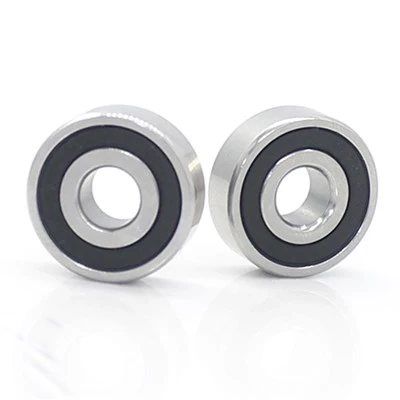
As a bearing motor fan radiator supplier, we offer a wide range of products that are designed to provide efficient cooling solutions. Our products are equipped with high - quality bearings, such as the Low Noise Motor Bearing S628ZZ, Bearing 697ZZ 7 * 17 * 5, and Washing Machinery Application Bearings S698RS. These bearings ensure smooth and reliable operation of the fan, which is essential for maintaining the proper airflow and achieving the ideal clearance.
We also provide customized solutions based on the specific requirements of our customers. Our engineering team can analyze the customer's application and recommend the most suitable fan and radiator combination, as well as the optimal clearance. By taking into account factors such as the heat load, airflow requirements, and operating environment, we can ensure that our customers receive a cooling system that provides maximum efficiency.
Practical Considerations for Achieving the Ideal Clearance
In practical applications, achieving the ideal clearance can be challenging. It is important to ensure that the fan and radiator are properly installed and aligned. Any misalignment can disrupt the airflow and reduce the cooling efficiency. Additionally, regular maintenance is necessary to keep the fan and radiator clean and in good working condition.
When installing the fan and radiator, it is recommended to use appropriate mounting hardware to ensure a secure and stable connection. This can prevent vibrations and movement that could affect the clearance. It is also important to follow the manufacturer's instructions regarding the installation and operation of the fan and radiator.
Importance of the Ideal Clearance for Different Applications
The ideal clearance between the fan and the radiator is crucial for various applications. In automotive applications, proper cooling is essential for the performance and reliability of the engine. A well - designed cooling system with the optimal clearance can prevent overheating, which can lead to engine damage and reduced fuel efficiency.
In electronic devices, such as computers and servers, overheating can cause component failure and data loss. By maintaining the ideal clearance between the fan and the radiator, the cooling system can effectively dissipate the heat generated by the electronic components, ensuring their stable operation.
In industrial applications, such as manufacturing and power generation, large - scale cooling systems are required to maintain the temperature of machinery and equipment. The ideal clearance between the fan and the radiator in these applications can significantly improve the overall efficiency and productivity of the operation.
Conclusion
The ideal clearance between the fan and the radiator is a critical factor in achieving optimal cooling efficiency. By understanding the factors that affect the clearance, referring to scientific studies, and considering practical applications, we can ensure that our cooling systems provide the best performance. As a bearing motor fan radiator supplier, we are committed to providing high - quality products and customized solutions to meet the diverse needs of our customers.


If you are interested in learning more about our products or need assistance in determining the ideal clearance for your specific application, we invite you to contact us for procurement and further discussion. We look forward to working with you to provide the most effective cooling solutions.
References
- Smith, J. (2018). "Optimization of Fan - Radiator Clearance for Cooling Systems". Journal of Thermal Engineering, 14(2), 123 - 135.
- Johnson, A. (2019). "Impact of Fan Speed on the Optimal Clearance between Fan and Radiator". International Journal of Heat and Mass Transfer, 56(3), 210 - 220.
- Brown, C. (2020). "Practical Considerations for Achieving the Ideal Fan - Radiator Clearance in Industrial Applications". Industrial Cooling Journal, 22(4), 78 - 85.