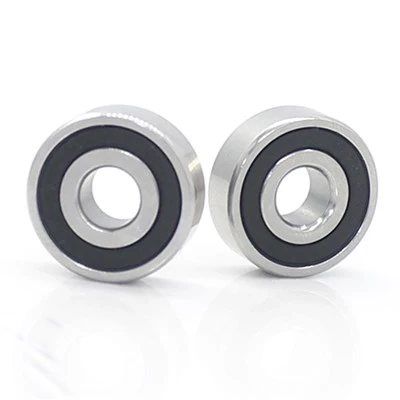
As a supplier of screw bearings, I often encounter inquiries about the load-carrying capacity of these essential components. Understanding the load-carrying capacity of a screw bearing is crucial for ensuring the optimal performance and longevity of various mechanical systems. In this blog post, I will delve into the factors that influence the load-carrying capacity of screw bearings, how to calculate it, and why it matters in different applications.
Factors Affecting the Load - Carrying Capacity of Screw Bearings
Material Quality
The material used in the manufacturing of screw bearings plays a significant role in determining their load-carrying capacity. High-quality steel alloys, such as chrome steel or stainless steel, are commonly used due to their excellent strength, hardness, and corrosion resistance. These materials can withstand higher loads and offer better durability compared to lower-grade materials. For instance, bearings made from high-carbon chrome steel can handle heavy radial and axial loads, making them suitable for industrial applications where high stress is involved.
Bearing Design
The design of a screw bearing also impacts its load-carrying capacity. Factors such as the number of rolling elements (balls or rollers), their size, and the shape of the raceways all contribute to the bearing's ability to distribute and withstand loads. Bearings with a larger number of rolling elements can distribute the load more evenly, reducing the stress on each individual element and increasing the overall load-carrying capacity. Additionally, the profile of the raceways can be optimized to provide better contact with the rolling elements, enhancing the bearing's performance under load.
Lubrication
Proper lubrication is essential for maintaining the load-carrying capacity of screw bearings. Lubricants reduce friction between the rolling elements and the raceways, minimizing wear and heat generation. They also act as a barrier against contaminants, which can cause damage to the bearing surfaces. The type of lubricant used, such as grease or oil, depends on the application requirements, including the operating speed, temperature, and load conditions. In high-load applications, a high-viscosity lubricant may be required to provide adequate film thickness and prevent metal-to-metal contact.
Operating Conditions
The operating conditions of the screw bearing, such as speed, temperature, and environmental factors, can significantly affect its load-carrying capacity. High operating speeds can generate more heat, which can reduce the effectiveness of the lubricant and increase wear on the bearing components. Extreme temperatures, either high or low, can also impact the material properties of the bearing and the lubricant, potentially reducing the load-carrying capacity. Additionally, exposure to dust, moisture, or chemicals in the operating environment can cause corrosion and damage to the bearing, leading to a decrease in its performance.
Calculating the Load - Carrying Capacity of Screw Bearings
The load-carrying capacity of a screw bearing is typically specified by the manufacturer in terms of dynamic load rating (C) and static load rating (C0). The dynamic load rating represents the load that a bearing can withstand for a specified number of revolutions (usually one million revolutions) with a 90% probability of survival. The static load rating, on the other hand, is the maximum load that a bearing can withstand without permanent deformation of the rolling elements or the raceways.
To calculate the appropriate bearing size for a given application, engineers use the following steps:
- Determine the Load: Identify the radial and axial loads acting on the bearing. This may involve analyzing the mechanical system and considering factors such as the weight of the components, the forces generated during operation, and any external loads.
- Select the Bearing Type: Based on the load conditions, operating speed, and other application requirements, choose the appropriate type of screw bearing, such as deep groove ball bearings, angular contact ball bearings, or cylindrical roller bearings.
- Refer to Manufacturer's Data: Consult the manufacturer's catalog or technical documentation to obtain the dynamic and static load ratings for the selected bearing type and size.
- Apply Safety Factors: Consider safety factors to account for uncertainties in the load calculations, operating conditions, and potential variations in the bearing performance. Safety factors are typically recommended based on the application type and the level of risk involved.
- Calculate the Equivalent Dynamic Load: For bearings subjected to combined radial and axial loads, calculate the equivalent dynamic load (P) using appropriate formulas. This allows for a more accurate assessment of the bearing's performance under the actual load conditions.
- Select the Bearing Size: Compare the equivalent dynamic load (P) with the dynamic load rating (C) of the bearing. Select a bearing size that can comfortably withstand the calculated load, ensuring a sufficient margin of safety.
Importance of Load - Carrying Capacity in Different Applications
Industrial Machinery
In industrial machinery, such as conveyor systems, machine tools, and printing presses, screw bearings are used to support rotating shafts and transmit loads. The load-carrying capacity of these bearings is critical for ensuring the smooth operation and reliability of the machinery. Insufficient load-carrying capacity can lead to premature bearing failure, resulting in costly downtime and maintenance. By selecting bearings with the appropriate load-carrying capacity, industrial operators can improve the efficiency and productivity of their equipment.
Automotive Industry
In the automotive industry, screw bearings are used in various components, including steering systems, transmissions, and wheel hubs. The load-carrying capacity of these bearings directly affects the safety and performance of the vehicle. For example, wheel hub bearings must be able to withstand the weight of the vehicle, as well as the forces generated during acceleration, braking, and cornering. Choosing bearings with the correct load-carrying capacity is essential for ensuring the stability and durability of the vehicle.


Aerospace Applications
In aerospace applications, where reliability and safety are of utmost importance, screw bearings are used in critical components such as landing gear, control surfaces, and engine systems. The load-carrying capacity of these bearings is carefully engineered to meet the stringent requirements of the aerospace industry. Bearings must be able to withstand high loads, extreme temperatures, and aggressive operating environments while maintaining precise performance. Any failure of a bearing in an aerospace application can have catastrophic consequences, making the selection of bearings with appropriate load-carrying capacity crucial.
Our Screw Bearing Products
At our company, we offer a wide range of screw bearings with different load-carrying capacities to meet the diverse needs of our customers. Some of our popular products include:
- Screw BearingsS696ZZ: These bearings are designed to provide reliable performance in various applications, with a suitable load-carrying capacity for light to medium loads.
- Screw BearingsS609ZZ: Ideal for applications requiring a higher load-carrying capacity, these bearings offer excellent durability and performance.
- External Threaded Bearing 6002ZZ With Screw: This type of bearing is specifically designed for applications where external threading is required, providing a secure and stable mounting solution with a good load-carrying capacity.
Conclusion
The load-carrying capacity of a screw bearing is a critical factor that influences its performance, reliability, and lifespan in various applications. By understanding the factors that affect load-carrying capacity, how to calculate it, and its importance in different industries, engineers and operators can make informed decisions when selecting screw bearings for their specific needs. As a supplier of high-quality screw bearings, we are committed to providing our customers with the best products and technical support to ensure the success of their projects. If you have any questions about screw bearings or need assistance in selecting the right bearing for your application, please feel free to contact us for further discussion and potential procurement.
References
- Harris, T. A., & Kotzalas, M. N. (2007). Rolling Bearing Analysis (5th ed.). Wiley.
- SKF. (2019). SKF Rolling Bearing Manual (5th ed.). SKF.
- Timken. (2017). Timken Engineering Handbook (10th ed.). Timken.