


In the realm of mechanical components, U groove pulleys play a crucial role in various applications, from sliding doors to complex industrial machinery. As a dedicated U groove pulley supplier, I often encounter inquiries about the fatigue life of these essential parts. Understanding the fatigue life of a U groove pulley is not only important for ensuring the reliability of the equipment but also for making informed decisions during the procurement process.
What is Fatigue Life?
Before delving into the fatigue life of U groove pulleys, it's essential to understand what fatigue life means. Fatigue is the process by which a material fails due to repeated loading and unloading. In the case of U groove pulleys, this could be the result of continuous rotation, the weight of the load they support, and the friction generated during operation. The fatigue life of a U groove pulley is the number of cycles of loading and unloading it can withstand before it fails.
Factors Affecting the Fatigue Life of U Groove Pulleys
Several factors can influence the fatigue life of U groove pulleys. These factors can be broadly categorized into material properties, design, and operating conditions.
Material Properties
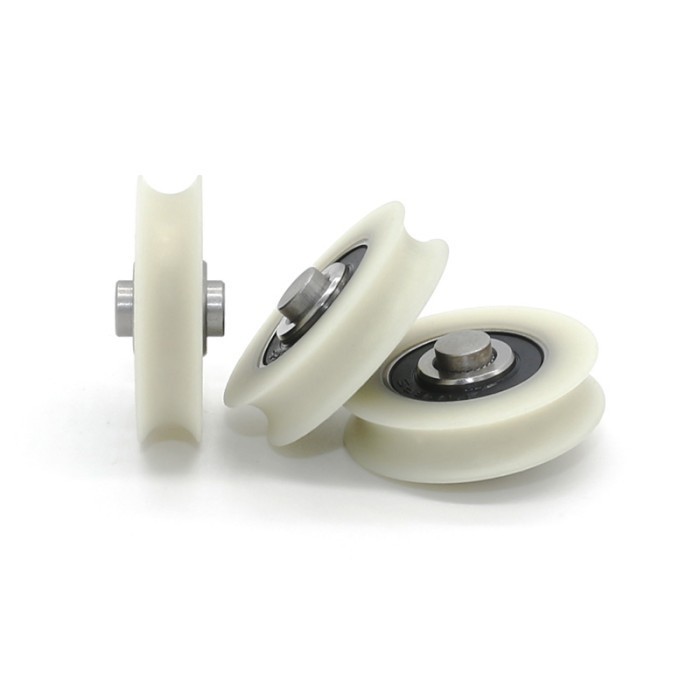
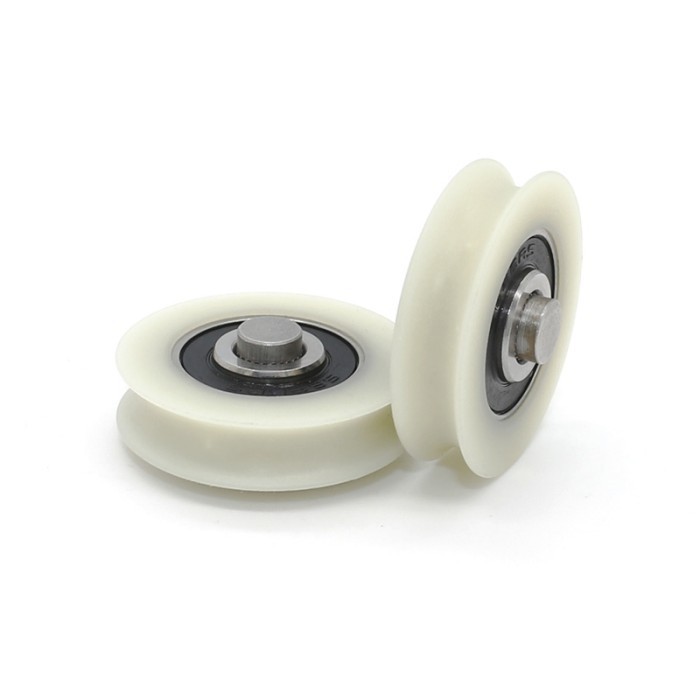
The material used to manufacture the U groove pulley is one of the most critical factors affecting its fatigue life. Different materials have different fatigue resistance characteristics. For example, steel pulleys are known for their high strength and good fatigue resistance, making them suitable for heavy - duty applications. On the other hand, plastic pulleys may be more lightweight and corrosion - resistant but generally have lower fatigue resistance compared to steel.
Design
The design of the U groove pulley also plays a significant role in its fatigue life. A well - designed pulley will distribute the load evenly across its surface, reducing stress concentrations. For instance, the shape and size of the U groove can affect how the belt or cable interacts with the pulley. A properly sized and shaped U groove will minimize friction and wear, thereby increasing the fatigue life of the pulley. Additionally, the presence of features such as bearings can also impact the fatigue life. Pulleys with high - quality bearings, like the S626RS Bearing Pulley, can reduce friction and allow for smoother rotation, which in turn can extend the fatigue life.
Operating Conditions
The operating conditions under which the U groove pulley is used have a profound impact on its fatigue life. Factors such as the load magnitude, speed of rotation, temperature, and the presence of contaminants can all affect the fatigue performance of the pulley. High loads and high - speed rotations can increase the stress on the pulley, leading to faster fatigue failure. Similarly, operating in high - temperature environments or in the presence of abrasive contaminants can accelerate wear and reduce the fatigue life of the pulley.
Calculating the Fatigue Life of U Groove Pulleys
Calculating the exact fatigue life of a U groove pulley is a complex process that requires a detailed understanding of the material properties, design, and operating conditions. Engineers often use fatigue analysis techniques, such as stress - life (S - N) curves, to estimate the fatigue life of a component.
The S - N curve is a graphical representation of the relationship between the stress amplitude (S) and the number of cycles to failure (N). By determining the stress levels experienced by the U groove pulley under operating conditions and referring to the S - N curve for the material, engineers can estimate the number of cycles the pulley can withstand before failure.
However, it's important to note that these calculations are only estimates, and real - world conditions may deviate from the idealized assumptions used in the calculations. Therefore, it's always advisable to conduct tests and monitor the performance of the pulleys in actual applications.
Extending the Fatigue Life of U Groove Pulleys
As a U groove pulley supplier, I understand the importance of helping customers extend the fatigue life of their pulleys. Here are some practical tips:
Proper Selection
Selecting the right U groove pulley for the application is crucial. Consider factors such as the load requirements, speed of operation, and environmental conditions. For example, if you are looking for a pulley for a sliding door application, a Sliding Door U Groove Rubber Pulley may be a suitable choice due to its noise - reducing and smooth - operating characteristics.
Regular Maintenance
Regular maintenance is essential for extending the fatigue life of U groove pulleys. This includes cleaning the pulleys to remove contaminants, lubricating the bearings if applicable, and inspecting for signs of wear and damage. By detecting and addressing issues early, you can prevent premature fatigue failure.
Optimal Operating Conditions
Try to operate the U groove pulleys under optimal conditions. Avoid overloading the pulleys and keep the operating speed within the recommended range. If possible, control the temperature and humidity of the operating environment to reduce the impact of these factors on the pulley's fatigue life.
Importance of Fatigue Life in Procurement Decisions
When it comes to procuring U groove pulleys, understanding the fatigue life is of utmost importance. A pulley with a longer fatigue life may have a higher upfront cost, but it can result in significant savings in the long run. By reducing the frequency of replacements and minimizing downtime due to pulley failures, a high - fatigue - life pulley can improve the overall efficiency and profitability of the operation.
As a supplier, I am committed to providing customers with high - quality U groove pulleys that offer excellent fatigue performance. Our team of experts can assist you in selecting the right pulley for your specific application and provide guidance on how to maximize its fatigue life.
Contact for Procurement and Consultation
If you are in the market for U groove pulleys and have questions about fatigue life or need assistance in selecting the right product, I encourage you to reach out. Our experienced team is ready to engage in procurement discussions and provide you with the best solutions tailored to your needs. Whether you are looking for a pulley for a small - scale project or a large - scale industrial application, we have the expertise and products to meet your requirements.
References
- Shigley, J. E., & Mischke, C. R. (2001). Mechanical Engineering Design. McGraw - Hill.
- Dowling, N. E. (2012). Mechanical Behavior of Materials: Engineering Methods for Deformation, Fracture, and Fatigue. Pearson.
- Society of Tribologists and Lubrication Engineers (STLE). (2018). Handbook of Lubrication and Tribology, Volume I: Applications. CRC Press.


