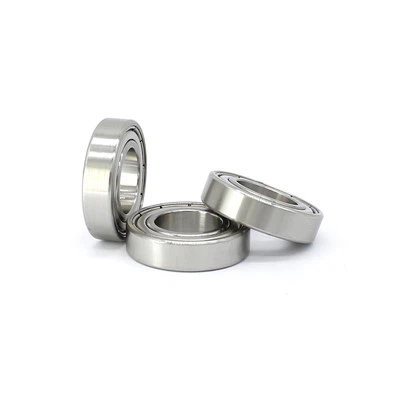
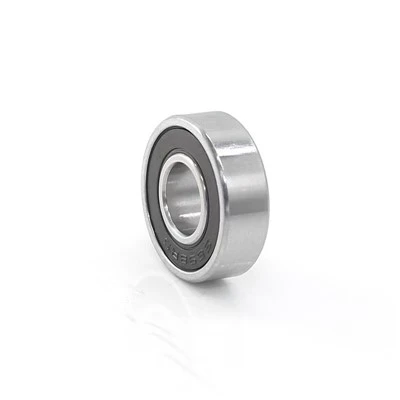
Hey there! As a supplier of 6900 bearings, I often get asked about the disassembly method of these bearings. So, I thought I'd share some insights on this topic.
First off, let's understand what the 6900 bearing is. The 6900 is a type of deep - groove ball bearing. It's widely used in various applications, like small electric motors, fans, and some precision instruments. These bearings are designed to handle both radial and axial loads, and they're known for their smooth operation and long service life.
Now, let's get into the disassembly process. Before you start, make sure you have the right tools. You'll need a bearing puller, a set of wrenches, a hammer (preferably a soft - faced one), and a clean workbench. Safety is also crucial, so wear gloves and safety glasses.


The first step is to isolate the bearing from the equipment. Turn off the power supply to the machine and make sure it has completely stopped. Then, remove any components that are attached to the bearing, such as belts, pulleys, or covers. This will give you clear access to the bearing.
If the bearing is on a shaft, you can use a bearing puller. Place the puller jaws around the outer ring of the bearing as close to the shaft as possible. Make sure the puller is centered and then start turning the puller screw. As you turn the screw, the puller will exert force on the outer ring, gradually pulling the bearing off the shaft. This process requires patience, as forcing it too quickly can damage the bearing or the shaft.
In some cases, the bearing might be stuck due to rust or debris. If that's the case, you can try using a penetrating oil. Spray the oil around the bearing and let it sit for a while. The oil will seep into the small spaces between the bearing and the shaft, helping to loosen it up. After a few minutes, try using the puller again.
If the bearing is in a housing, the process is a bit different. You'll need to remove the housing from the equipment first. Use the appropriate wrenches to loosen and remove the bolts or screws that hold the housing in place. Once the housing is free, you can access the bearing.
To remove the bearing from the housing, you can use a hammer and a drift. Place the drift on the outer ring of the bearing and gently tap the drift with the hammer. Make sure to tap evenly around the outer ring to avoid damaging the bearing. Keep tapping until the bearing starts to move out of the housing.
After you've successfully removed the bearing, it's important to inspect it. Check for signs of wear, such as pitting, scoring, or excessive play. If the bearing is damaged, it's usually best to replace it. But if it's in good condition, you can clean it and reuse it.
To clean the bearing, you can use a solvent like kerosene or a specialized bearing cleaner. Soak the bearing in the solvent and use a soft brush to gently clean the balls, races, and cage. Rinse the bearing thoroughly with clean solvent and let it dry completely.
Now, let's talk about some related products. If you're interested in other types of bearings, we also offer Cooling Fan Bearings MR52ZZ. These are great for cooling fan applications and are known for their high - speed performance. We also have Miniature Ball Bearings, which are perfect for small - scale precision equipment. And if you're into skateboarding or other sports equipment, our 608 - 2RS Skateboard Bearing is a top - notch choice.
Whether you're in need of 6900 bearings or any of our other products, we're here to help. If you have any questions about the disassembly process, product specifications, or pricing, don't hesitate to reach out. We're always happy to have a chat and assist you with your bearing needs. Let's start a conversation and see how we can work together to meet your requirements.
References
- "Bearing Handbook" by SKF
- "Ball Bearing Design and Application" by Timken