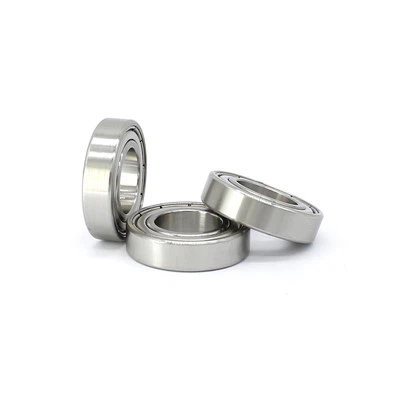
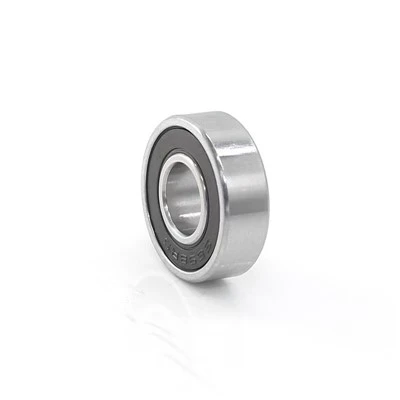
As a leading supplier of aircraft bearings, I am often asked about the intricate process of manufacturing these critical components. Aircraft bearings play a vital role in ensuring the safe and efficient operation of various aircraft systems, from engines to landing gear. In this blog post, I will take you through the step-by-step process of how aircraft bearings are manufactured, highlighting the key stages and technologies involved.
Raw Material Selection
The manufacturing process of aircraft bearings begins with the careful selection of raw materials. The choice of materials is crucial as it directly impacts the performance, durability, and reliability of the bearings. For aircraft applications, high-quality steel alloys are commonly used due to their excellent strength, hardness, and resistance to wear and corrosion.
One of the most widely used materials for aircraft bearings is chrome steel, which offers a good balance of strength and toughness. Other materials, such as stainless steel and ceramic, may also be used depending on the specific requirements of the application. For example, ceramic bearings are known for their high temperature resistance and low friction, making them suitable for high-speed and high-performance applications.
Forging and Machining
Once the raw materials have been selected, the next step is to shape them into the desired form. This is typically done through a process called forging, which involves heating the steel to a high temperature and then applying pressure to shape it. Forging helps to improve the grain structure of the steel, making it stronger and more resistant to fatigue.


After forging, the bearing blanks are machined to the precise dimensions required for the specific application. This involves using a variety of machining techniques, such as turning, milling, and grinding, to remove excess material and create the desired shape and surface finish. The machining process is critical as it determines the accuracy and quality of the bearings.
Heat Treatment
Heat treatment is an essential step in the manufacturing process of aircraft bearings. It involves heating the bearings to a specific temperature and then cooling them at a controlled rate to improve their mechanical properties. Heat treatment helps to increase the hardness, strength, and wear resistance of the bearings, making them more suitable for the demanding conditions of aircraft applications.
There are several different types of heat treatment processes that can be used, depending on the specific requirements of the bearings. One of the most common heat treatment processes is quenching and tempering, which involves heating the bearings to a high temperature and then rapidly cooling them in a quenching medium, such as oil or water. This is followed by a tempering process, which involves heating the bearings to a lower temperature to relieve internal stresses and improve their toughness.
Grinding and Finishing
After heat treatment, the bearings are ground to achieve the final dimensions and surface finish. Grinding is a precision machining process that involves using a grinding wheel to remove small amounts of material from the surface of the bearings. This helps to improve the accuracy and smoothness of the bearing surfaces, reducing friction and wear.
In addition to grinding, the bearings may also undergo a finishing process to further improve their surface quality. This can include processes such as polishing, lapping, and superfinishing, which help to remove any remaining surface imperfections and create a smooth, mirror-like finish.
Assembly and Testing
Once the individual bearing components have been manufactured and finished, they are assembled into the final bearing assembly. This involves carefully fitting the inner and outer races, balls or rollers, and cage together to form a complete bearing. The assembly process is critical as it ensures that the bearings are properly aligned and functioning correctly.
After assembly, the bearings are subjected to a series of rigorous tests to ensure their quality and performance. These tests can include dimensional inspections, hardness testing, and performance testing under various operating conditions. Only bearings that meet the strict quality standards and performance requirements are approved for use in aircraft applications.
Quality Control
Quality control is an essential part of the manufacturing process of aircraft bearings. At every stage of the manufacturing process, strict quality control measures are in place to ensure that the bearings meet the highest standards of quality and reliability. This includes inspecting the raw materials, monitoring the manufacturing processes, and testing the finished bearings.
In addition to internal quality control measures, aircraft bearings are also subject to external quality certifications and standards. For example, many aircraft bearings are certified to meet the requirements of international standards such as ISO and AS9100, which ensure that the bearings are manufactured to the highest quality and safety standards.
Conclusion
The manufacturing process of aircraft bearings is a complex and highly specialized process that requires a combination of advanced technologies, skilled labor, and strict quality control measures. From raw material selection to final assembly and testing, every step of the process is carefully controlled to ensure that the bearings meet the highest standards of quality and performance.
As a supplier of aircraft bearings, we are committed to providing our customers with the highest quality bearings that meet their specific requirements. We use the latest manufacturing technologies and processes to ensure that our bearings are reliable, durable, and safe. If you are in the market for aircraft bearings, we invite you to contact us to discuss your needs and learn more about our products and services.
Product Recommendations
If you are looking for high-quality aircraft bearings, we recommend the following products:
- 61900ZZ-HLC Deep Groove Ball Bearing: This deep groove ball bearing is designed for high-speed and high-performance applications. It features a precision-ground raceway and high-quality steel balls, providing excellent durability and reliability.
- Freewheel Bearing 623UG: This freewheel bearing is ideal for applications where one-way rotation is required. It features a unique design that allows the bearing to rotate freely in one direction while locking in the other direction, providing efficient and reliable operation.
- Crankshaft Bearing 6001-2RS: This crankshaft bearing is designed for use in aircraft engines. It features a double-sealed design that provides excellent protection against contaminants and moisture, ensuring long-term reliability and performance.
References
- Jones, A. (2019). Aircraft Bearing Technology. Springer.
- Smith, B. (2020). Manufacturing Processes for High-Performance Bearings. Wiley.
- Brown, C. (2021). Quality Control in Aircraft Bearing Manufacturing. ASME Press.