


As a seasoned supplier of cam roller bearings, I understand the critical importance of proper maintenance to ensure the longevity and optimal performance of these essential components. One key aspect of maintenance is choosing the right cleaning agents. In this blog post, I'll delve into the various cleaning agents suitable for cam roller bearings, taking into account their unique properties and the specific requirements of different types of bearings.
Understanding Cam Roller Bearings
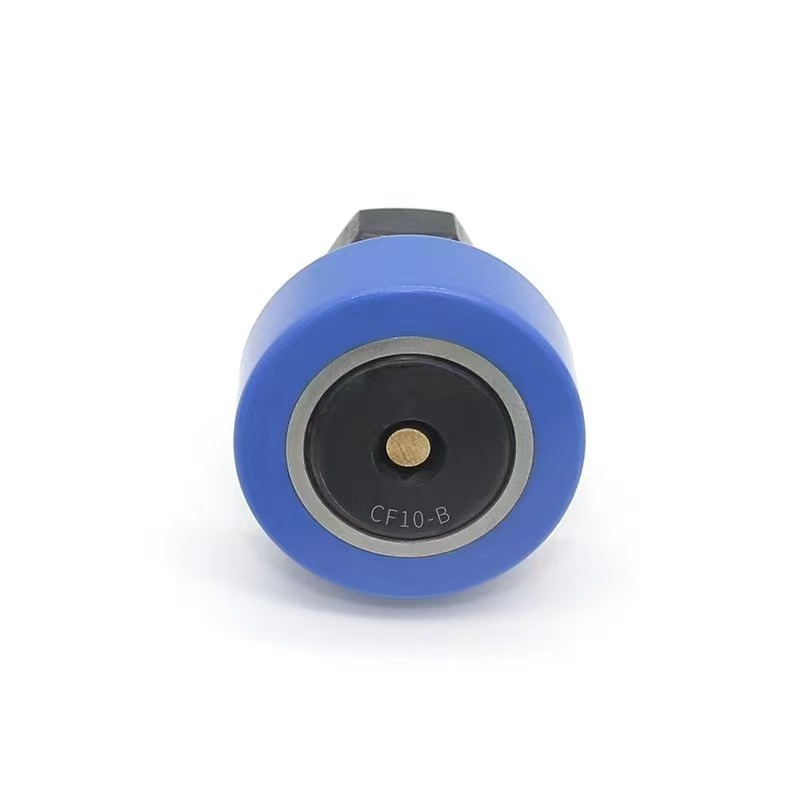
Before we discuss cleaning agents, let's briefly review what cam roller bearings are and how they function. Cam roller bearings, also known as cam followers, are specialized bearings designed to follow a cam's profile. They are commonly used in a wide range of applications, including automotive engines, industrial machinery, and automation systems. These bearings are subject to high loads, friction, and wear, which can lead to the accumulation of dirt, debris, and lubricant residues over time. Regular cleaning is essential to prevent premature failure and maintain smooth operation.

Factors to Consider When Choosing Cleaning Agents
When selecting a cleaning agent for cam roller bearings, several factors need to be considered:
- Compatibility: The cleaning agent should be compatible with the bearing materials, including the outer ring, inner ring, rollers, and cage. Some cleaning agents may react with certain materials, causing corrosion or damage.
- Cleaning Power: The cleaning agent should be effective in removing dirt, debris, and lubricant residues without leaving behind any harmful residues.
- Safety: The cleaning agent should be safe to use, both for the user and the environment. It should not contain any toxic or hazardous substances.
- Ease of Use: The cleaning agent should be easy to apply and remove. It should not require any special equipment or techniques.
Types of Cleaning Agents
There are several types of cleaning agents suitable for cam roller bearings, each with its own advantages and disadvantages. Here are some of the most common types:
- Solvent-Based Cleaning Agents: Solvent-based cleaning agents are effective in removing grease, oil, and other stubborn contaminants. They are typically fast-acting and leave behind a clean surface. However, they can be flammable and toxic, so they should be used with caution in well-ventilated areas. Examples of solvent-based cleaning agents include mineral spirits, acetone, and trichloroethylene.
- Water-Based Cleaning Agents: Water-based cleaning agents are a safer alternative to solvent-based cleaning agents. They are non-flammable and non-toxic, making them suitable for use in a variety of applications. However, they may not be as effective in removing heavy grease and oil as solvent-based cleaning agents. Examples of water-based cleaning agents include detergents, soaps, and degreasers.
- Biodegradable Cleaning Agents: Biodegradable cleaning agents are environmentally friendly and safe to use. They are typically made from natural ingredients and do not contain any harmful chemicals. However, they may not be as effective in removing heavy grease and oil as solvent-based or water-based cleaning agents. Examples of biodegradable cleaning agents include citrus-based cleaners and enzyme-based cleaners.
Cleaning Procedures
Once you have chosen the appropriate cleaning agent, it's important to follow the correct cleaning procedures to ensure the best results. Here are the general steps for cleaning cam roller bearings:
- Disassembly: If possible, disassemble the cam roller bearings to access all the components. This will allow for a more thorough cleaning.
- Pre-Cleaning: Use a brush or compressed air to remove any loose dirt and debris from the bearings.
- Soaking: Immerse the bearings in the cleaning agent for a specified period of time, depending on the type and severity of the contamination.
- Scrubbing: Use a soft brush or cloth to scrub the bearings gently, paying special attention to the areas with heavy contamination.
- Rinsing: Rinse the bearings thoroughly with clean water to remove any remaining cleaning agent.
- Drying: Dry the bearings completely using a clean cloth or compressed air.
- Lubrication: Apply a suitable lubricant to the bearings to prevent corrosion and ensure smooth operation.
Specific Cleaning Agents for Different Types of Cam Roller Bearings
In addition to the general cleaning agents mentioned above, there are also specific cleaning agents that are suitable for different types of cam roller bearings. Here are some examples:
- Polyurethane Cam Follower: Polyurethane cam followers are commonly used in applications where noise reduction and high-speed operation are required. To clean polyurethane cam followers, it's recommended to use a mild detergent or soap and water. Avoid using abrasive cleaners or solvents, as they can damage the polyurethane material. Polyurethane Cam Follower
- Plastic Cam Followers: Plastic cam followers are lightweight and corrosion-resistant, making them suitable for a variety of applications. To clean plastic cam followers, it's recommended to use a mild detergent or soap and water. Avoid using abrasive cleaners or solvents, as they can damage the plastic material. Plastic Cam Followers
Conclusion
Choosing the right cleaning agent is essential for maintaining the performance and longevity of cam roller bearings. By considering the factors mentioned above and following the correct cleaning procedures, you can ensure that your cam roller bearings remain in top condition for years to come. If you have any questions or need further assistance with cleaning or maintaining your cam roller bearings, please don't hesitate to contact us. We're here to help you make the most of your investment in high-quality cam roller bearings.
References
- "Bearing Handbook" by SKF
- "Machinery's Handbook" by Industrial Press Inc.
- "Maintenance and Lubrication of Rolling Bearings" by Timken Company


